

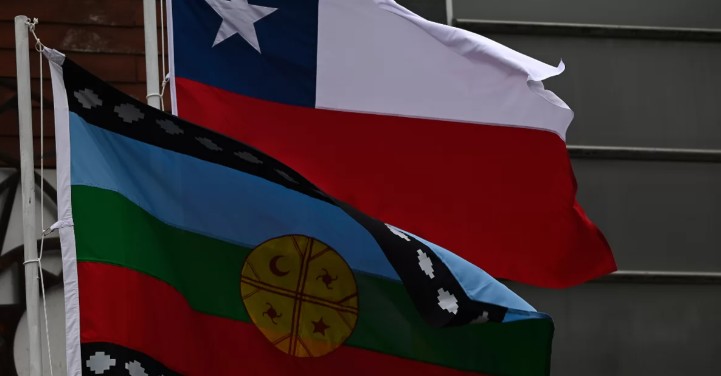
The Government has submitted to Congress a bill that recognizes, qualifies, and compensates victims of violence in the intercultural and territorial context of southern Chile, which broadens the scope of rural and institutional violence.
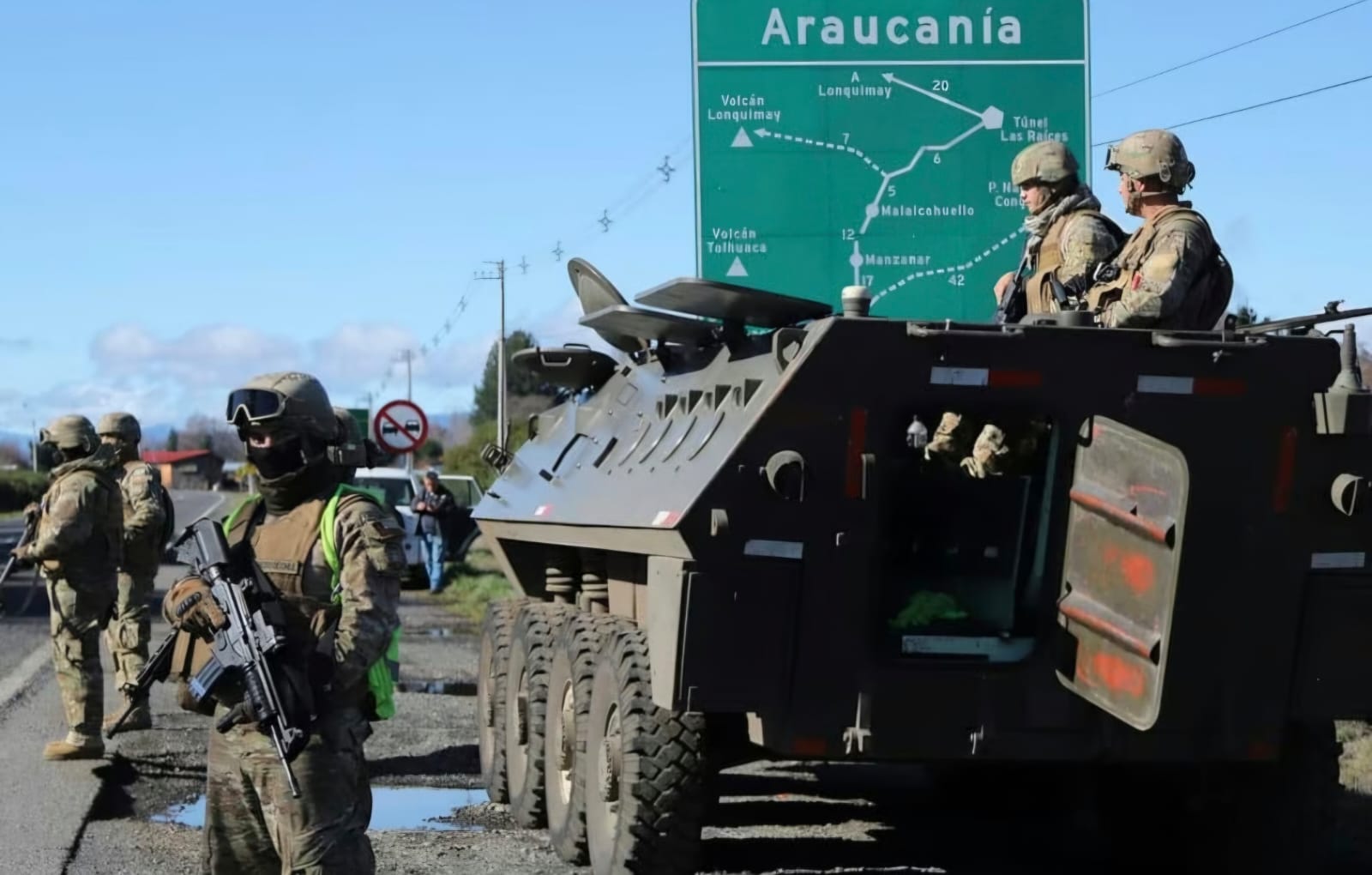
The initiative, which will begin its legislative process in the Senate, includes the strategy of establishing a legal framework, provided by the Presidential Commission for Peace and Understanding, to address the historical conflict spanning from 1990 to the present in the regions of Bío Bío, La Araucanía, Los Ríos, and Los Lagos.
This regulation incorporates terms such as institutional violence, as well as impediments to free movement and the development of educational, economic, religious, or spiritual activities.
Similarly, the bill includes the proposal for a commission responsible for qualifying the victim's status, in order to implement networks for support and comprehensive reparation.
The Minister of the Interior, Álvaro Elizalde, mentioned that this is part of the cross-cutting support from the Commission and will allow for establishing relationships between the State and the Mapuche people.
"The recognition of the victims of violence in the area is indispensable. With the submission of this law, we take a firm step in supporting the Chilean women and men who live in the regions of Biobío, La Araucanía, Los Ríos, and Los Lagos," he argued.
On this matter, the Undersecretary of the Interior, Víctor Ramos, also commented, explaining that this will help provide a comprehensive response to the victims. "This project addresses that debt, organizes aid in a better way, integrates and includes all people regardless of their origin or the people to which they belong."
Furthermore, he stated that this project "at the same time allows for compliance with legal standards that align with what our Constitution and our laws require."
The national head of the Follow-up Unit of the Presidential Commission for Peace and Understanding, Fabián Salas, acknowledged that this project is part of fulfilling the objectives set by the Commission and that they will build a cross-cutting political future.
Additionally, he detailed that it is necessary "to recognize all victims without exclusion, including those who have suffered institutional violence."
This initiative seeks to better respond to acts of violence and compensate victims for physical, psychological, patrimonial, cultural, and social damages through a set of measures that include social activities and initiatives promoting dialogue, memory, and awareness.
Source:BiobioChile





Comments (0)
No comments yet. Be the first to comment!
Leave a comment