

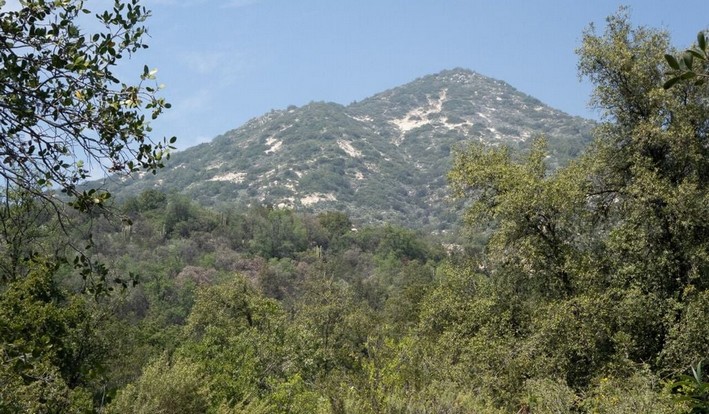
The sclerophyllous forest is one of the most representative and unique ecosystems of central Chile, although its presence extends far beyond what many imagine. From the ravines of Coquimbo to the valleys of Maule, and with remnants in Valparaíso, the Metropolitan Region, and O'Higgins, this green landscape silently endures between aridity and heat.
Its name comes from the Greek *skleros* (hard) and *phyllon* (leaf), a perfect reference to the strength of its thick, shiny leaves, designed to survive where water is scarce.
Characteristic of Mediterranean climates, the sclerophyllous forest embodies an admirable balance: it regulates the microclimate, protects the soil, and stores carbon, becoming an ally against climate change.
A unique ecosystem
In the heart of the sclerophyllous forest coexist native species that exist nowhere else on the planet. Among the most representative trees are the peumo, boldo, quillay, litre, northern belloto, maitén, and molle.
Unlike other types of forests, this one does not need abundant water to thrive. Its success lies in its slowness:
It grows slowly, adapts patiently, and manages to maintain its greenery even when everything around it dries up. It is, in essence, an example of natural balance in the face of adversity.
But the forest's value goes beyond its trees. It harbors diverse fauna: birds such as the thrush, turca, giant hummingbird, and comesebo, in addition to small mammals and a wide variety of pollinating insects. This biological mosaic makes the sclerophyllous forest a true refuge of biodiversity.
A dry lung that regulates the climate
Although its appearance may be austere, the sclerophyllous forest performs crucial climatic functions. It acts as a natural sponge that retains moisture, filters rainwater, and reduces erosion. Furthermore, it regulates the surrounding temperature and captures large amounts of carbon dioxide, helping to mitigate the effects of global warming.
Unlike other, wetter ecosystems, this forest has learned to take advantage of every drop of water. Its deep roots allow it to store moisture in the subsoil, while the dense, evergreen foliage reduces solar radiation and keeps the soil cool during the hottest months.
This function is key in rural and peri-urban areas, where its presence can reduce the ambient temperature by several degrees and prevent the loss of soil moisture. The sclerophyllous forest also has a direct impact on the hydrological cycle. By retaining rainwater and preventing surface runoff, it promotes aquifer recharge and protects the watersheds that supply cities and agricultural fields.
Biodiversity under threat
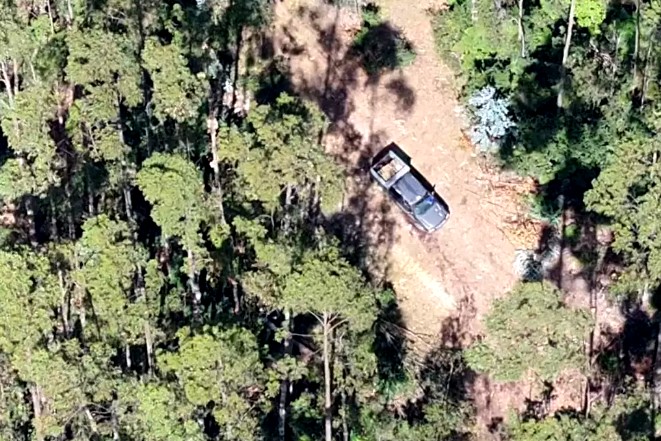
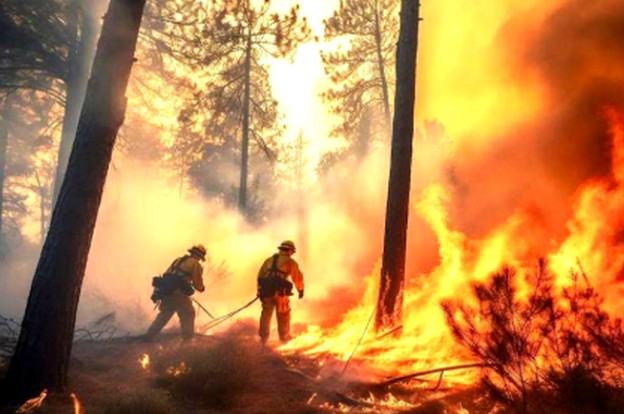
Over recent decades, the sclerophyllous forest has fallen victim to urban expansion, logging, forest fires, and overgrazing. Today it survives in isolated patches, many within ravines or natural reserves. Prolonged drought and rising temperatures worsen its fragility, disrupting the water balance of the central valley.
Each lost fragment not only means less shade or less oxygen: it also means a reduced capacity of the territory to resist climate change, as these forests regulate local temperature, store carbon, and retain soil moisture.
Keys to its conservation
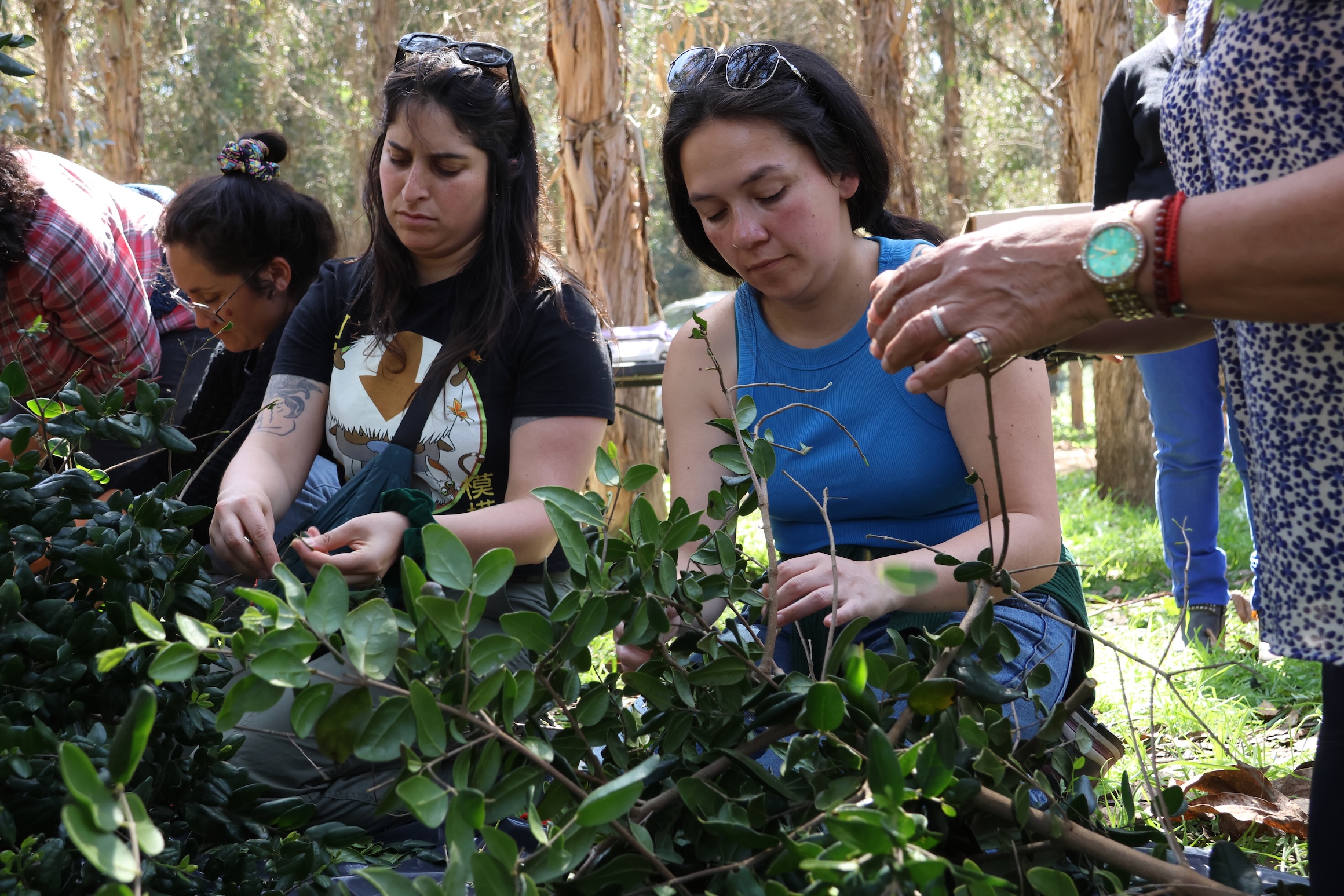
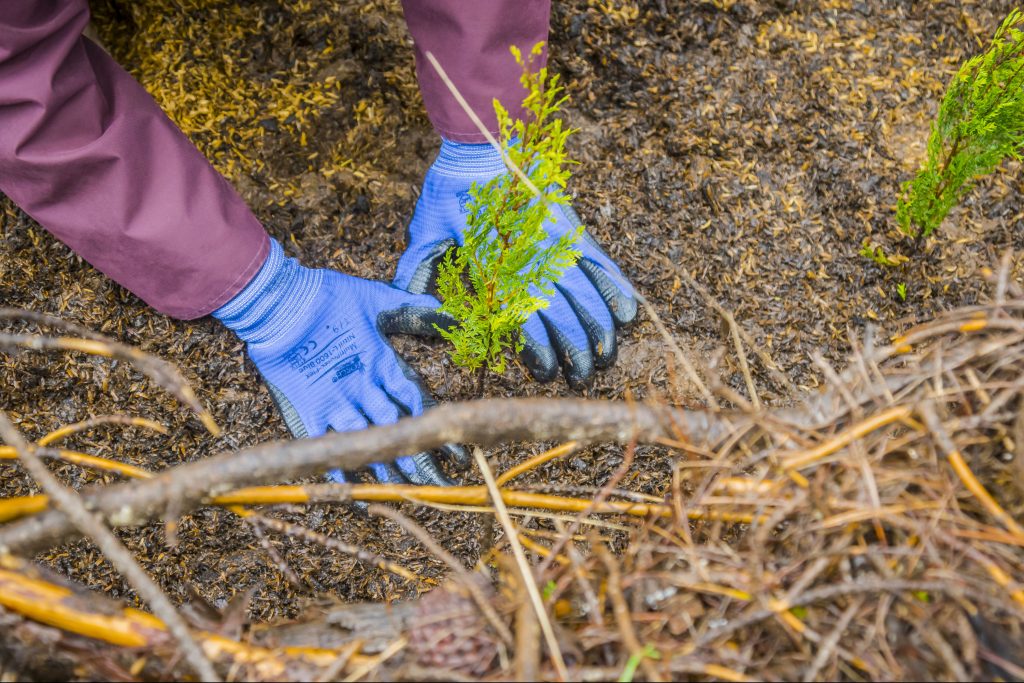
Protecting the sclerophyllous forest is not just about preventing its disappearance, but allowing it to be reborn. In recent years, public and community programs have promoted reforestation with native trees such as quillay, peumo, boldo, espino, and maitén, resilient species that return life to the soils and refuge to the fauna.
Unlike pines and eucalyptus, which dry out the land and displace local flora, native forests rebuild the natural balance slowly but lastingly.
Its conservation begins with simple gestures: avoiding burns, reducing logging, or planting native species in gardens and squares. Caring for the sclerophyllous forest is caring for the landscape that defines us, a living heritage that sustains the climate, biodiversity, and history of central Chile.
Source:Meteored.cl
Comments (0)
No comments yet. Be the first to comment!
Leave a comment