

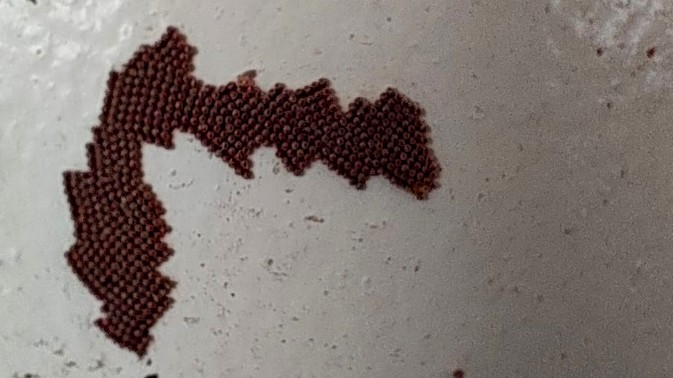
The Agricultural and Livestock Service (SAG) of the Biobío region achieved a significant milestone in protecting Chile's biodiversity and economy. In a recent operation at the Port of Talcahuano, SAG officials intercepted egg masses of the forest pest Thyrinteina arnobia on the deck of a vessel arriving from Ecuador. The swift action of the officials allowed for the application of appropriate phytosanitary treatments to prevent the spread of this pest in Chile.
The regional director of SAG Biobío, Roberto Ferrada, highlighted the importance of the timely detection and management of the situation, stating that the interception of the egg masses is crucial to prevent the pest from becoming established in the country. Thyrinteina arnobia, commonly known as the eucalyptus moth, is an invasive species that can cause significant damage to various plant species, including eucalyptus and citrus, posing a direct threat to the agricultural and forestry sectors.
The Thyrinteina arnobia moth is native to Central and South America, with a presence in countries such as Brazil, Ecuador, Colombia, and Venezuela. In Chile, this species is classified as an absent quarantine pest, meaning it is not established in the national territory, but its potential to cause severe defoliation in plants makes it a high-priority phytosanitary risk.
So far this year, three additional interceptions of egg masses of this pest have been recorded on vessels arriving at ports in the Biobío region. In comparison, during the year 2024, seven similar incidents were detected. These figures reflect the constant vigilance and efforts of SAG to protect Chile's flora and economy from external threats.
SAG continues to closely monitor the country's points of entry, such as ports and airports, to ensure that pests like Thyrinteina arnobia do not gain a foothold in Chile. International collaboration and compliance with phytosanitary regulations are essential to keeping Chile free of pests and diseases that could affect its natural heritage and productive activities.
Comments (0)
No comments yet. Be the first to comment!
Leave a comment