

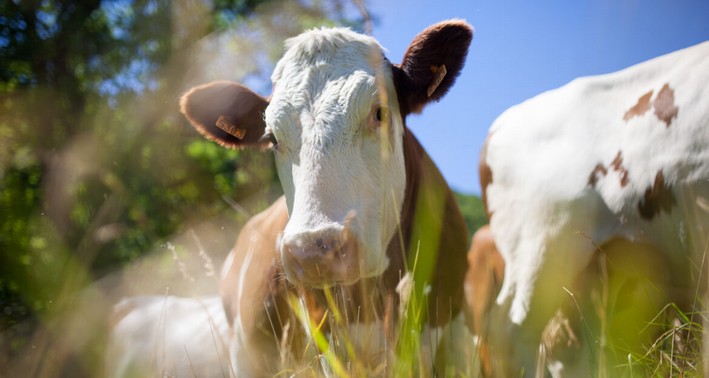
Bovine mastitis, a prevalent and costly disease in dairy farming, could be managed in a more sustainable and effective way thanks to essential oils from native plants of the Valdivian rainforest. The project led by Dr. Javiera Bahamonde, from the Institute of Pharmacology and Morphophysiology at the Universidad Austral de Chile (UACh), has yielded promising results in combating pathogens associated with this disease, including strains resistant to conventional treatments.
The study, funded by the InES Project "Knowledge + Gender UACh," focused on evaluating the antimicrobial properties of essential oils extracted from species such as Tepa (Laureliopsis philippiana) and Canelo (Drimys winteri), known for their use in traditional medicine and their resistance to adverse environmental conditions. These oils were tested not only on laboratory strains but also on real pathogens isolated from bovine mastitis cases, including the bacteria Staphylococcus aureus and Streptococcus uberis, and the yeast Pichia kudriavzevii (ex Candida krusei), an emerging pathogen in the region.
The results indicated moderate antimicrobial activity against the bacteria and a high sensitivity of the yeast to Canelo essential oil, representing a significant advance in the treatment of fungal mastitis. Additionally, cytotoxicity tests were performed on bovine mammary cell cultures to progress towards safe formulations for intramammary applications.
The impact of these findings could be considerable for the dairy industry in southern Chile, as bovine mastitis not only causes economic losses and affects animal welfare but also drives the intensive use of antibiotics, contributing to antimicrobial resistance. Essential oils from the native flora offer an alternative with benefits such as a low likelihood of residues in milk, their natural origin, ecological sustainability, and territorial relevance.
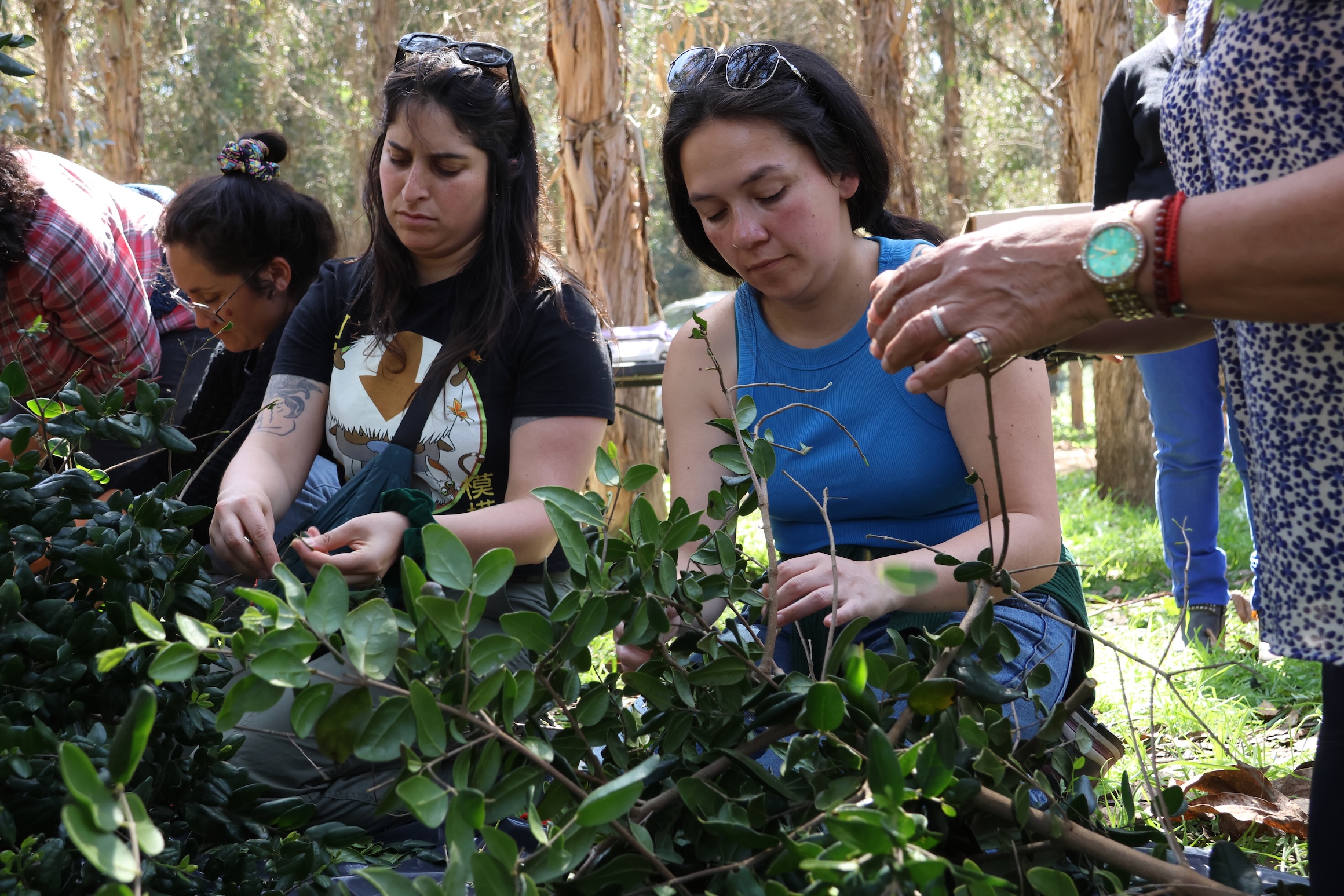
The project has also fostered the creation of a cultivation and cloning system for native plants to ensure a sustainable source of raw materials and the development of 3D models that simulate mammary gland tissue. Furthermore, the anti-inflammatory and regenerative potential of these oils is being explored, with possible applications in industrial sanitation and veterinary dermatology.
The research has generated new collaborative networks and consolidated a scientific ecosystem that projects the study towards larger-scale funding. Dr. Bahamonde highlights the impetus of the InES Project "Knowledge + Gender UACh" as a key factor for the team's success, emphasizing the importance of funding and support for research led by women in a highly competitive field.
The initial results of this research not only demonstrate the therapeutic potential of the native flora of the Los Ríos Region but also position UACh in an emerging field where animal health, native botany, and sustainable innovation converge, offering local solutions with territorial identity for the dairy production sector.

Comments (0)
No comments yet. Be the first to comment!
Leave a comment