

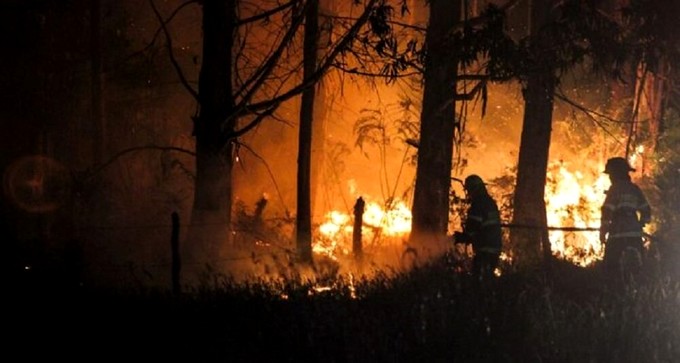
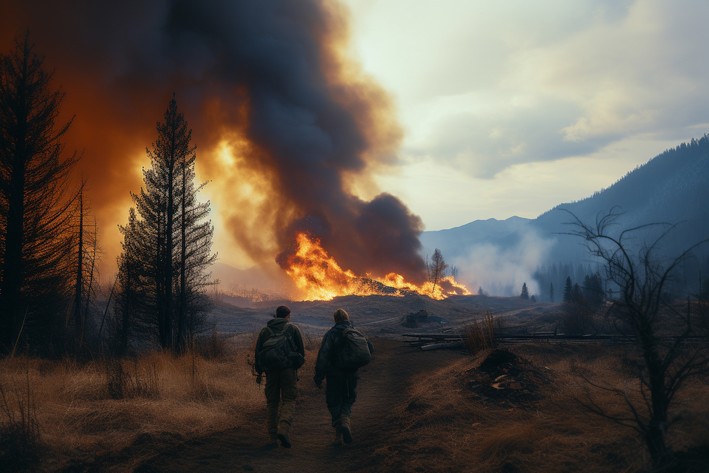
The National Forestry Corporation (Conaf) Aysén issued an urgent call for wildfire prevention amid a summer season marked by a sustained increase in temperatures.
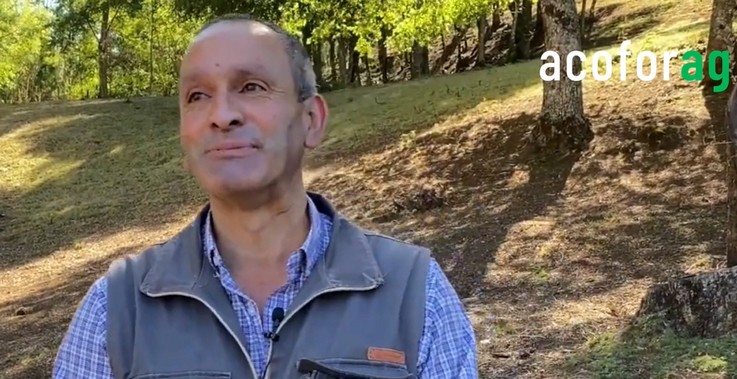
Ronald Valenzuela, regional director of Conaf Aysén, stated that the region is facing its period of highest risk, exacerbated by climatic conditions that favor the rapid spread of fire. Valenzuela emphasized that, although human activity is the main cause of ignition, prevention and responsible behavior are essential to avoid disasters.
So far this season, the region has experienced 24 wildfires, affecting an area of 43.9 hectares. Although these have been controlled, current conditions require a reinforcement of prevention measures. More than 99.7% of fires result from human actions, highlighting the need to focus on preventing their start.
Conaf Aysén carries out preventive work year-round, including environmental education, dissemination of self-care measures, and teacher training. Additionally, roadside and community operations are conducted to reinforce prevention, with a presence on routes, rural sectors, and public events. Valenzuela stressed that prevention is the foundation for reducing damage and that fighting fires, although attention-grabbing, involves environmental, social, and economic loss.
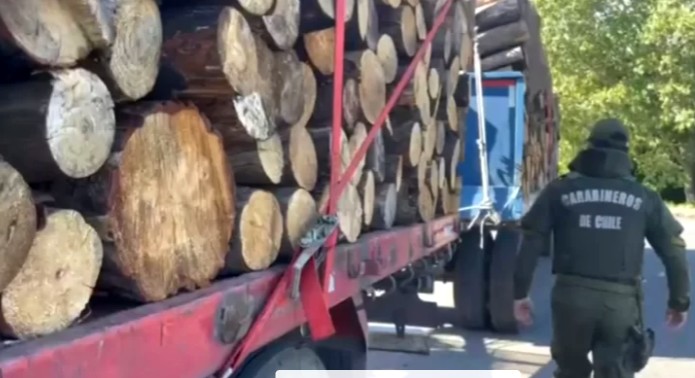
Inter-institutional coordination is key in the fight against wildfires, involving Senapred, Carabineros de Chile, the Army, Firefighters, health services, and other agencies. The public plays a fundamental role in prevention and is urged to avoid the use of fire, respect regulations, and report risky behavior.
The Red Button is a preventive tool activated under extreme meteorological conditions, which prohibits the use of fire and reinforces inspections and patrols. Conaf Aysén has 16 firefighting brigades and aerial and ground resources for a timely and effective response to emergencies. Regional and national protocols ensure the incorporation of extraordinary resources and interregional support if necessary.
Conaf Aysén reiterates its call to the community to stay informed and respect restrictions, understanding their importance for the protection of people, homes, and natural heritage.

Comments (0)
No comments yet. Be the first to comment!
Leave a comment