

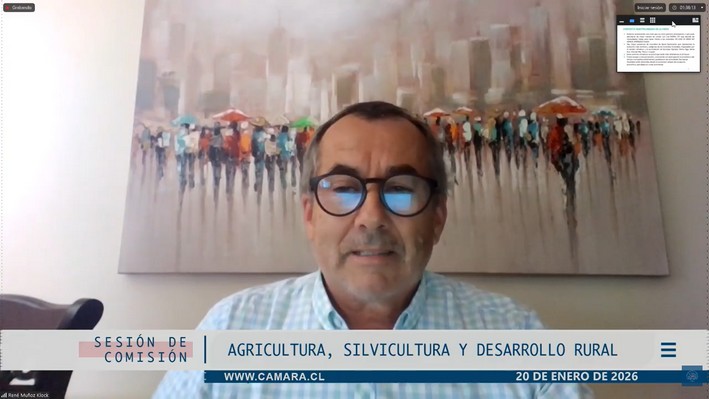
The manager of the Association of Forestry Contractors (Acoforag), René Muñoz, warned the Agriculture Committee of the Chamber of Deputies that Chile faces a critical scenario of forest fires marked by high intentionality, a lack of effective prevention, and a weak institutional response, within the framework of the discussion of the Forest Fires Bill.
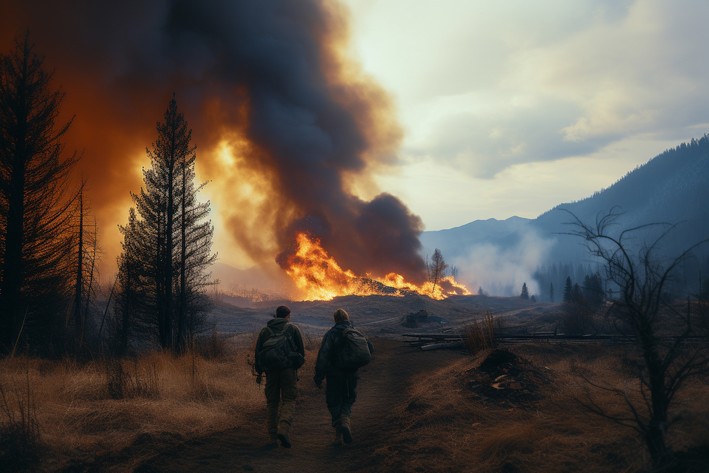
In his presentation, Muñoz explained that the country no longer faces conventional fires, but so-called sixth-generation fires, extreme phenomena driven by climate change, characterized by their uncontrollable behavior and which are only extinguished when weather conditions change. Examples of this type of disaster, he noted, were those that occurred in Santa Olga (2017), Santa Ana (2023), Viña del Mar and Valparaíso (2024), and recently in Penco-Lirquén.
"We know that extreme climate events are coming, and yet the necessary preventive measures are not taken," stated Muñoz, questioning the absence of preventive states of exception, public information campaigns, deterrent patrols, and a timely reaction from the State, even when the risk was known in advance.
High Intentionality and Alarming Figures
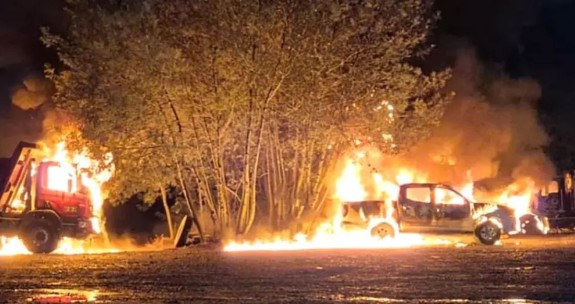
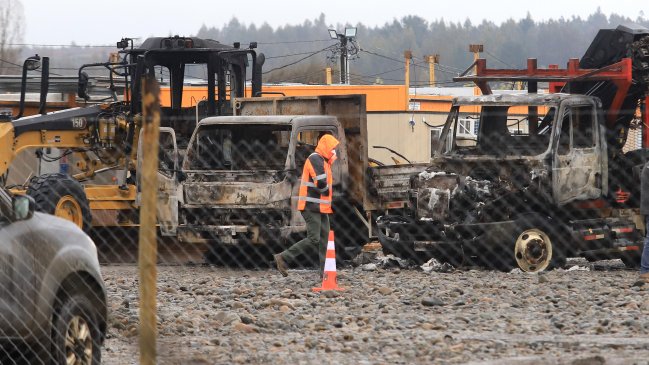
One of the most critical points addressed by Acoforag was the intentionality behind the origin of fires. According to Muñoz, there are areas in the southern macrozone where up to 80% of fires would be deliberately set, revealing the presence of people systematically dedicated to starting fires in forest areas.
"Between six and seven thousand forest fires occur in Chile per year. This is an aberration," he asserted, comparing the national reality with countries like New Zealand, which has a similar climate and forest heritage, but practically records no fires. In the leader's opinion, this difference also reflects a cultural problem and institutional permissiveness.
"In Chile, burning is free"
Muñoz was especially critical of the criminal prosecution system, stating that impunity is one of the main incentives for the repetition of these crimes. He indicated that in Chile, only one in every hundred people arrested for forest fires is convicted, while in Europe the figure reaches one in twenty-three.
"In Chile, burning forests is free," he stated bluntly, pointing to the ineffectiveness of investigations, which often begin days after the events, when the evidence has already been destroyed by fire, water, or human traffic. In that context, he called for the creation of specialized prosecutors with exclusive dedication, capable of acting immediately at the fire site.
Criticism of the Forest Fires Bill Approach
Regarding the Forest Fires Bill, Muñoz warned that new regulations alone will not solve the problem without political will and a comprehensive strategy. In particular, he questioned that the cost of prevention falls mainly on small rural landowners, while the State does not take an active role in creating structural prevention conditions.
He also noted that, despite a historic increase in resources—more than 160 billion pesos for CONAF and another 126 billion via SENAPRED—fires have continued to increase since 2017, which, in his opinion, highlights failures in the current control and prevention model.
Community Networks as the First Line
Finally, Muñoz highlighted the role of community prevention networks, made up of rural neighborhood associations that play a key role in the early detection of fires. There are currently about 560 networks between the O'Higgins and Los Lagos regions, but they operate without legal recognition.
Acoforag raised the need to institutionalize these networks, granting them legal status and formal support from the State, to strengthen prevention in the most exposed territories.
"The fires we are experiencing are not inevitable. Intentionality exists, it is known, and it is not being confronted with the seriousness it requires," concluded Muñoz before the parliamentarians.
Acoforag's intervention in the Chamber of Deputies available on the YouTube channel from 1:04:33 to 1:14:21
https://www.youtube.com/watch?v=nxXZ5gGU-ws

Comments (0)
No comments yet. Be the first to comment!
Leave a comment