

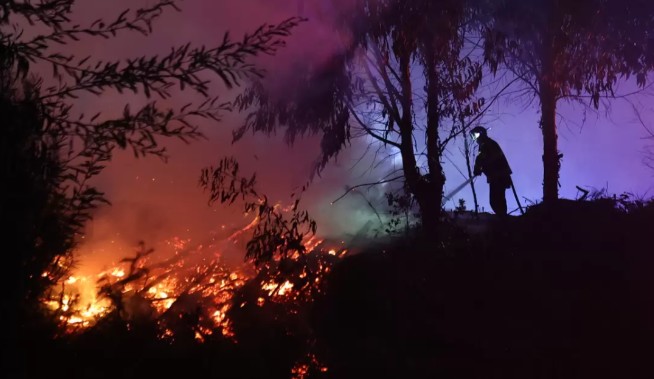
Amid the deployment for the emergency in the south-central zone, the Government reiterated the call to accelerate the vote on the so-called "Fire Law" which it presented over two years ago in Congress. However, from the opposition, there are persistent blocks to the initiative, to which forestry unions have added criticisms of the fiscal harm to the sector.
The emergency due to the forest fires affecting the south-central part of the country has once again raised the legislative discussion about the so-called "Fire Law," proposed in 2023 by the Government of Gabriel Boric.
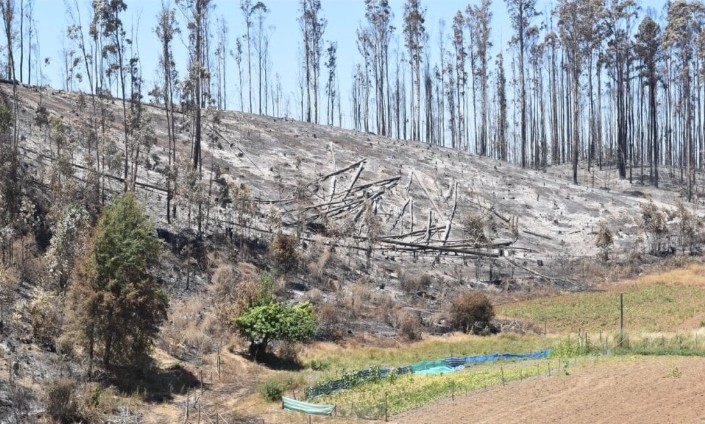
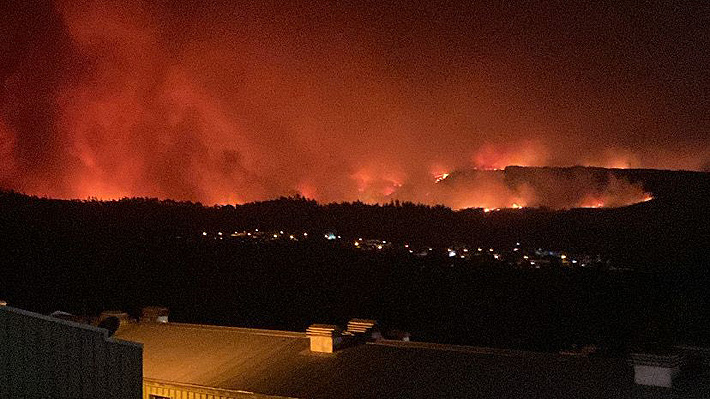
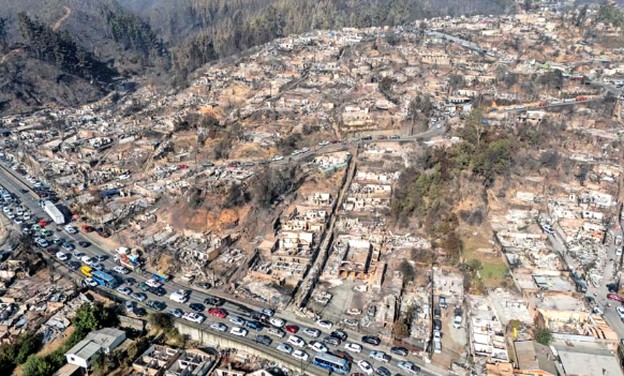
According to the latest report from Senapred, over 42 thousand hectares have been affected in the regions of Ñuble, Biobío, and La Araucanía.
Given the situation, the Executive has raised its voice for the bill to advance in Congress. Government spokesperson Minister Camila Vallejo had called out the Finance Committee, chaired by Senator and future minister Ximena Rincón, where the proposal had been stalled.
This week the committee sent the bill to the Senate floor, just days before the legislative recess begins.
From the Executive, Interior Minister Álvaro Elizalde stated that they hope it will be voted on with "speed" in Congress.
The proposal includes incorporating urban-rural interface zones into planning instruments to reduce risks, through tools such as the use of firebreaks.
What the Fire Law bill proposes that the Government is urging to be approved urgently
From the Association of Forestry Contractors, manager René Muñoz referred to the law as a "disguised expropriation," asserting that it would harm small forest owners.
"A small owner, approximately 30% of their land area has to be allocated to firebreaks. That is almost expropriating, almost a law of disguised expropriation. A small owner is not going to do that because they won't have the funds to do it," he stated.
The union called on parliamentarians "to be responsible" and to "listen to technical opinions," while the Government hopes the bill can be voted on before the start of the new political cycle.
Likewise, from the Association of Forestry Contractors, manager René Muñoz referred to the law as a "disguised expropriation," asserting that it would harm small forest owners.
In response to this, the opposition raised criticisms about the project's financing. UDI Senator and committee member Javier Macaya criticized the fiscal burden the initiative would supposedly entail.
The union called on parliamentarians "to be responsible" and to "listen to technical opinions," while the Government hopes the bill can be voted on before the start of the new political cycle.
Source:BiobioChile
Comments (0)
No comments yet. Be the first to comment!
Leave a comment