

By Julio Torres Cuadros, Executive Secretary of the College of Forest Engineers A.G.
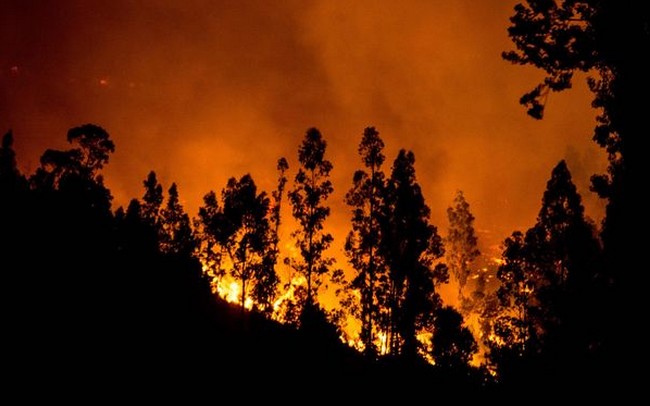
Beyond the deployment of resources and the planning required each season for the prevention and combat of forest fires in Chile, it is essential to draw attention to the communication strategy that accompanies these events, especially during the most complex period of the season (October–March).
The way these events are covered by the press and authorities is not trivial, as it shapes public perception and, ultimately, the public policies that end up addressing this scourge.
On one hand, clichés abound in media coverage, repeating the litany that 99.7% of fires are caused by people and that, of that percentage, at least two-thirds are due to negligence and one-third to intentional acts, according to official figures from Conaf.
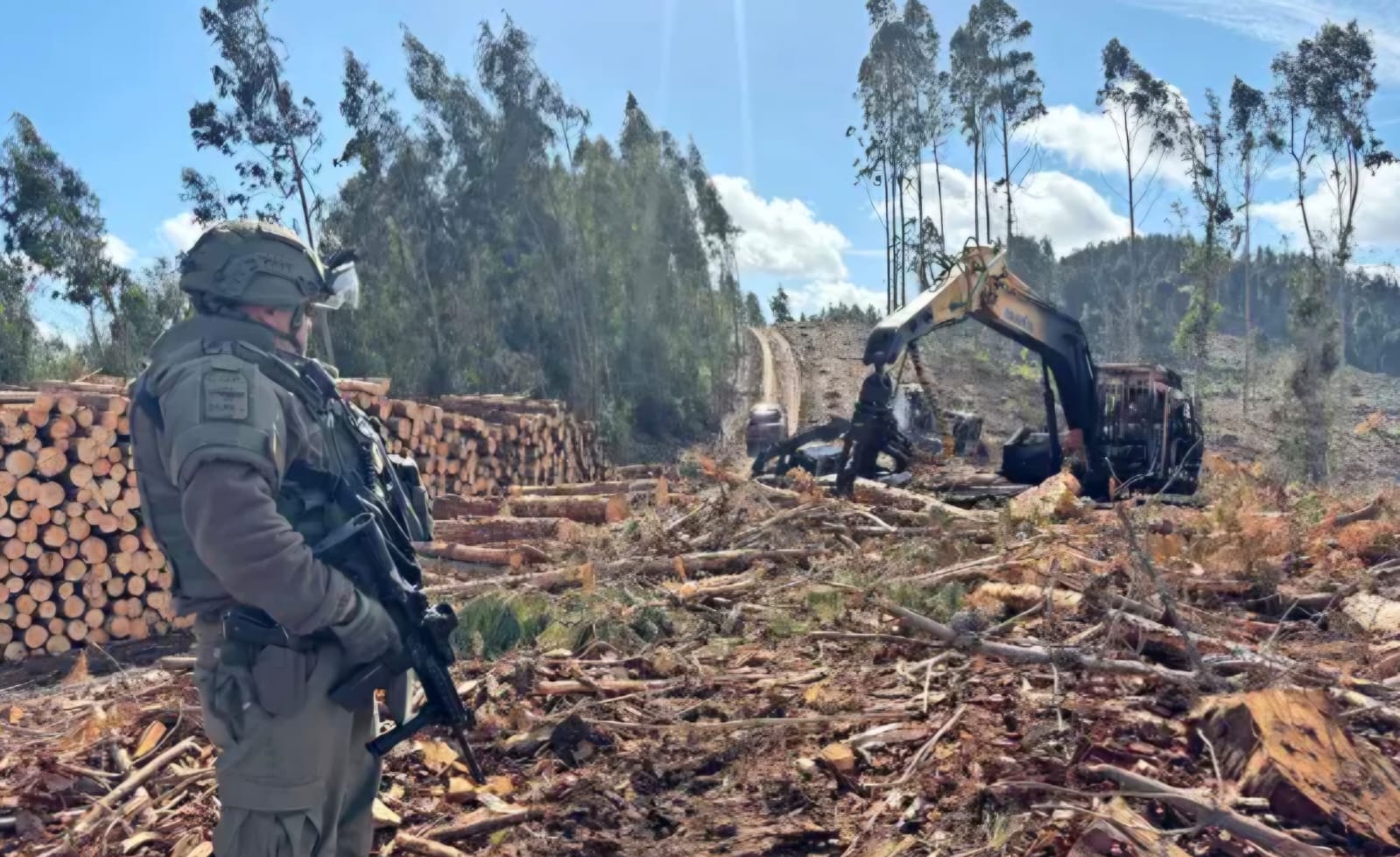
However, the unions linked to the forestry sector seek to highlight with increasing strength each year the phenomenon of intentionality in forest regions, where it far exceeds the national average, reaching nearly 50% in the Biobío and La Araucanía regions, and surpassing 70% in specific municipalities within those regions.
For its part, the authority insists on communicating only the national average, downplaying the relevance of intentionality as a central factor to address each season. By focusing on this average, a key aspect that the press rarely questions is omitted: an intentionally caused fire can affect an area several times larger than one caused by negligence. Consequently, this discussion is not merely semantic.
From a communication standpoint, along with downplaying the phenomenon of intentionality, the authority concentrates its discourse on the systematic increase in the budget allocated to fire prevention and combat, which has indeed doubled compared to five years ago.
However, it fails to mention that this increase in resources does not have a direct correlation with an equivalent decrease in the affected area, as seen in the following table:

The communication debate about negligence versus intentionality in the origin of forest fires is not trivial. Intentionality is uncomfortable for the authorities, as it exposes powerlessness in the face of a recurring phenomenon that not only costs the country billions of dollars but has also increased the fatality rate, both among firefighters and the general population.
This phenomenon would stem, to a significant extent, from unacknowledged and unaddressed public security problems, with a preference for describing fires from a climatic perspective and, therefore, to some extent inevitable.
In this scenario, we witness how the authorities and other actors frame forest fires within the concept of "natural disasters," placing them on the same level as earthquakes, storm surges, floods, or volcanic eruptions.
The truth is that we must nuance the climatic communication strategy for forest fires and complement it with the explicit recognition of the criminal and intentional component of a significant portion of the fires in the southern part of the country. Forest fires are not natural disasters; they cannot be if they have a human origin, and this contradiction must be highlighted.
Reversing biased communication narratives, which seek to blame the forestry sector or the trees for burning, is of utmost importance, as they condition the type of strategies used to confront this scourge.
From an operational perspective, it is evident that substantial increases in funding for firefighting do not result in significant reductions in burned area, diverting resources that could be allocated to preventing occurrence through effective crime prevention policies.
Because it is necessary to reiterate clearly: forest fires are not natural disasters; they are crimes caused by people.
Source:BiobioChile




Comentarios (0)
No hay comentarios aún. ¡Sé el primero en comentar!
Deja un comentario