

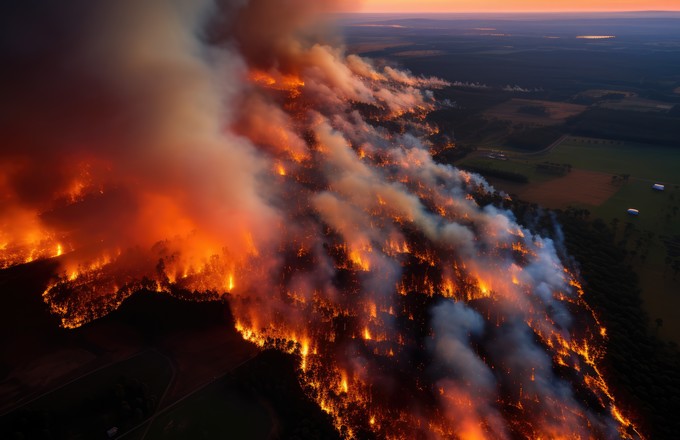
An Ipsos study, titled "Claves Ipsos," has brought to light public opinion regarding the devastating fires that affected the Biobío and Ñuble regions in January.
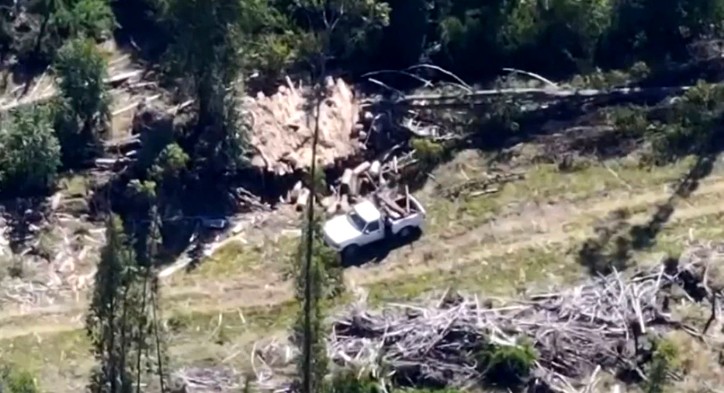
According to the survey, conducted nationwide with 1,000 people, an overwhelming 72% believe the fires were intentionally set. Within this percentage, 39% point to companies with interests in the area as responsible, while 33% suspect independent individuals.
The report also highlights that the perception of human intervention in these events surpasses other factors like climate change, which only 25% of respondents consider relevant to the severity of the fires. However, one-third of the survey participants believe the country's lack of preparedness to face such catastrophes is more significant than the impact of climate change.
Miguel Pinto, Deputy Manager of Public Studies at Ipsos, explained that while climate change contributes to creating favorable conditions for large-scale fires, in this particular case, public perception points to human action as the main factor.
Evaluation of the Institutional Response
The response of institutions to the emergency has not been well received by the population. 64% of respondents rate the Government's performance negatively, and almost half have an unfavorable opinion of the National Disaster Prevention and Response Service (Senapred). Local municipalities are not spared from criticism either, with 45% of respondents considering their response insufficient.
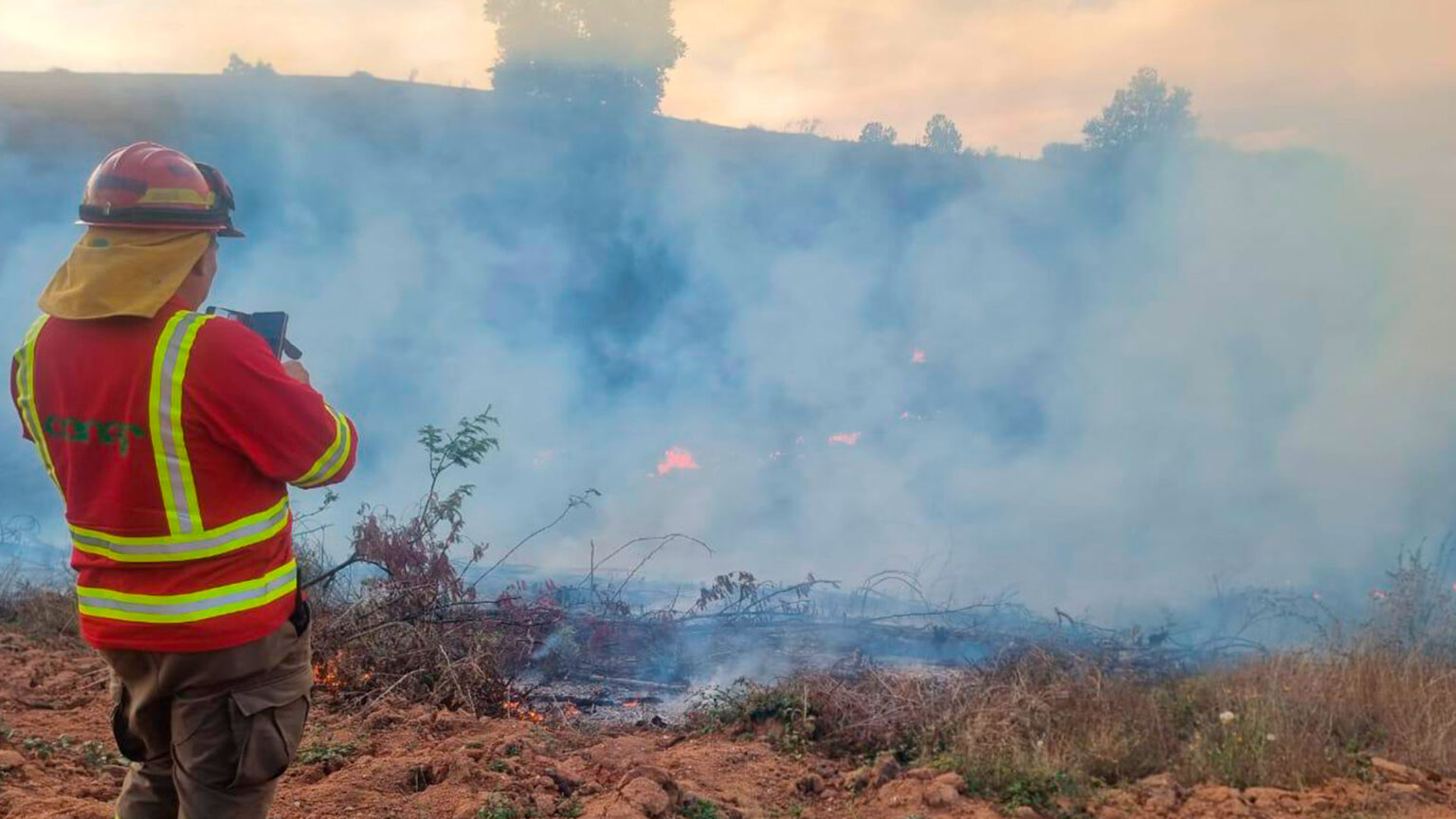
On the other hand, Firefighters receive the highest recognition, with 90% support, followed by Carabineros (police) with 56%. Regarding the help from influencers and urban singers, the latter are mentioned for their participation in assisting the victims, with 67% of respondents considering influencers effective in communicating how to face the catastrophe.
Solidarity and Preparedness
The study also reflects a high level of solidarity among Chileans, with seven out of ten people stating they helped the victims, mainly through donations. The information available during the emergency was well-regarded in terms of clarity on how and what to donate, and where to find collection centers. However, information on access to the affected areas was the worst-rated aspect.
In summary, the Ipsos survey reveals a strong belief in the intentionality behind the fires, widespread criticism of the institutional response, and notable citizen solidarity in times of crisis.





Comments (0)
No comments yet. Be the first to comment!
Leave a comment