

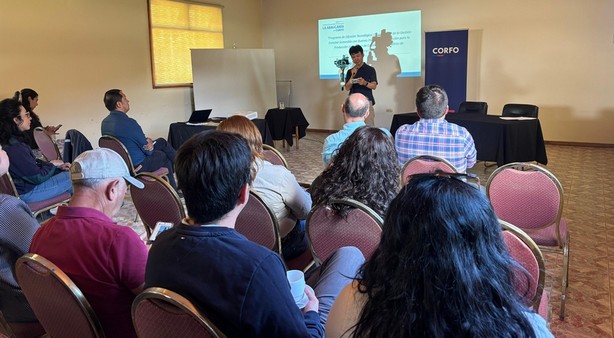
In the La Araucanía Region, a dozen forestry companies have taken a step forward in the pursuit of sustainability and efficiency by joining the Technology Diffusion Program for the Optimization of Sustainable Forest Management. This program, supported by Corfo, Eagon Lautaro, and the consulting firm Huella Azul, has the primary goal of reducing wood rejection by at least 30%, which currently represents losses of approximately $50 million monthly.
The program focuses on implementing good practices and efficient harvesting protocols to improve wood quality and its suitability for industry standards. The initiative includes an initial diagnosis, workshops, practical field training, and a technical support system with digital reports. These actions aim to demonstrate progress in safety, sustainability, and competitiveness, thereby contributing to the development of the forestry sector.
Nelson Cruces, a traceability engineer at Eagon Lautaro, highlighted the importance of empowering local suppliers to improve their standards, which results in mutual benefits due to the improved quality of the wood received. The training will cover everything from chainsaw cutting techniques to safety and digitalization.
Eduardo Figueroa Goycolea, director of Corfo Araucanía, emphasized the need to attend to the entire chain of suppliers and producers to achieve a top-quality product.
The project has a multidisciplinary team that will provide instruction and technology transfer, aiming to improve production processes.
Juan Pablo Sánchez, provincial head of Cautín for Conaf, emphasized the mission to contribute to the sustainable management of forests and productive development, respecting environmental regulations and contributing to climate change mitigation. Mario García, a representative of the company La Junta, valued the initiative as a means to improve processes and practices in the industry.
This program represents a joint effort between the private and state sectors to strengthen the forestry industry of La Araucanía, promoting sustainability and efficiency in a context of environmental and economic challenges.


Comments (0)
No comments yet. Be the first to comment!
Leave a comment