

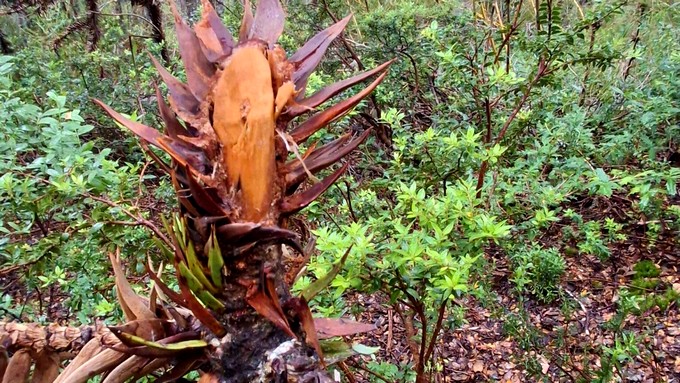
Personnel from the National Forestry Corporation (Conaf) detected damage to 22 specimens of the protected Araucaria araucana species on two adjacent properties inside Villarrica National Park, in the commune of Pucón. The damage is believed to have been caused by interventions carried out on a private, unregulated trail that enters the protected area without authorization towards the Quetrupillán volcano sector.
According to Conaf, the trail—over two kilometers long—crosses three properties and was built years ago without the corresponding permits. The intervention mainly affected araucaria trees in the regeneration process, with diameters under 10 centimeters. Although they are young specimens, their removal represents a significant impact on the natural regeneration and ecological dynamics of this emblematic species from southern Chile.
The institution warned that the creation of unauthorized access routes and trails into protected areas constitutes a direct threat to biodiversity, as it involves the removal of native vegetation, soil compaction, erosion, and habitat fragmentation. Additional risks include the occurrence of forest fires and the expansion of uncontrolled access within national parks.
Conaf reminded that the Araucaria araucana has high ecological and cultural value and is protected by current legislation, so any unauthorized intervention constitutes a serious offense. These types of actions, often associated with unregulated recreational activities, can cause irreversible damage to fragile ecosystems and affect long-term conservation efforts.
Currently, the institution is preparing the technical reports that will allow them to file the corresponding complaints with the Local Police Court of Pucón and the Public Prosecutor's Office, with the aim of identifying those responsible. Furthermore, Conaf announced it will strengthen inspection and environmental education efforts to prevent new illegal interventions in native forests and inside the park.
Finally, Conaf reiterated its call to the community and visitors to use only designated trails, respect current regulations, and understand that responsible access is fundamental for the protection of threatened species and the conservation of the country's natural heritage.





Comments (0)
No comments yet. Be the first to comment!
Leave a comment