

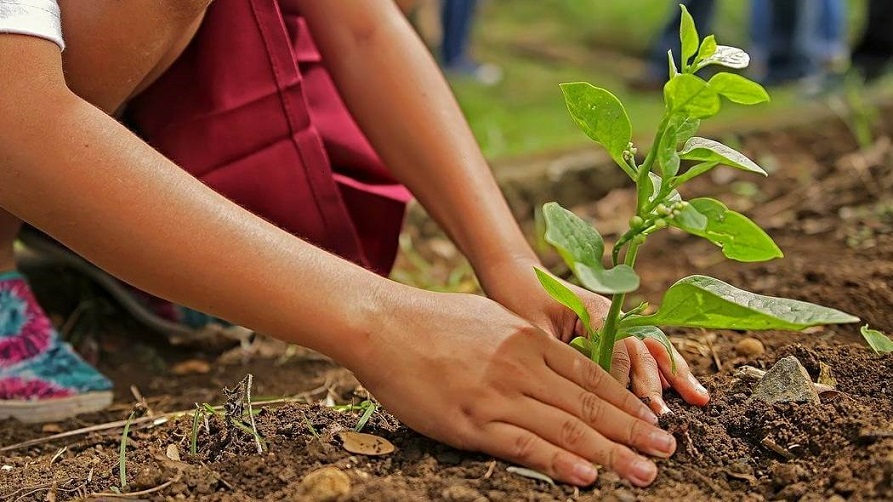
The University of Concepción (UdeC) has launched an ambitious ecological restoration project in Greater Concepción, addressing five hectares of university land with the goal of recovering ecosystem functions and strengthening landscape resilience against extreme events such as wildfires and droughts.
This process, which begins with preparation and cleanup work, follows international standards for the practice of Ecological Restoration and promises to be a model of responsible, long-term environmental management.
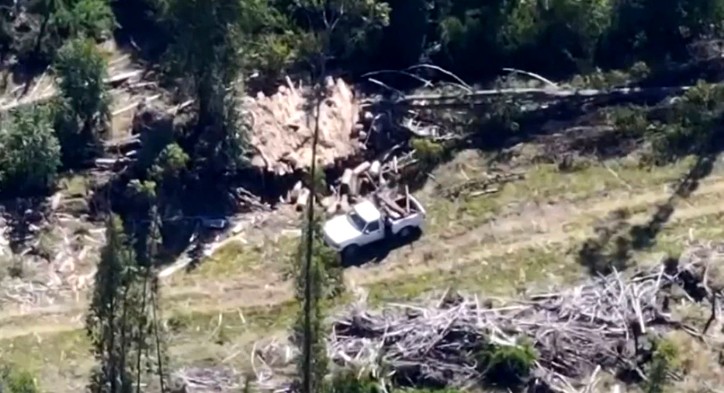
The ecological restoration process beginning at the University of Concepción is a direct response to the environmental challenges facing the region, marked by ecosystem degradation and the effects of climate change. The initial intervention on the university property, which will extend through February and March, includes site preparation and clearing of areas affected by exotic species, such as eucalyptus and acacia, which compete for vital resources and perpetuate the degraded state of the ecosystem.
Cristian Echeverría Leal, director of UdeC's Nature Campus and an expert in ecological restoration, emphasizes that these actions are not merely ornamental, but are part of a planned process seeking to redirect the ecosystem's trajectory towards a healthier and more sustainable state. The choice to initially work on five hectares allows for more controlled technical management and the possibility of adjusting strategies for future stages.
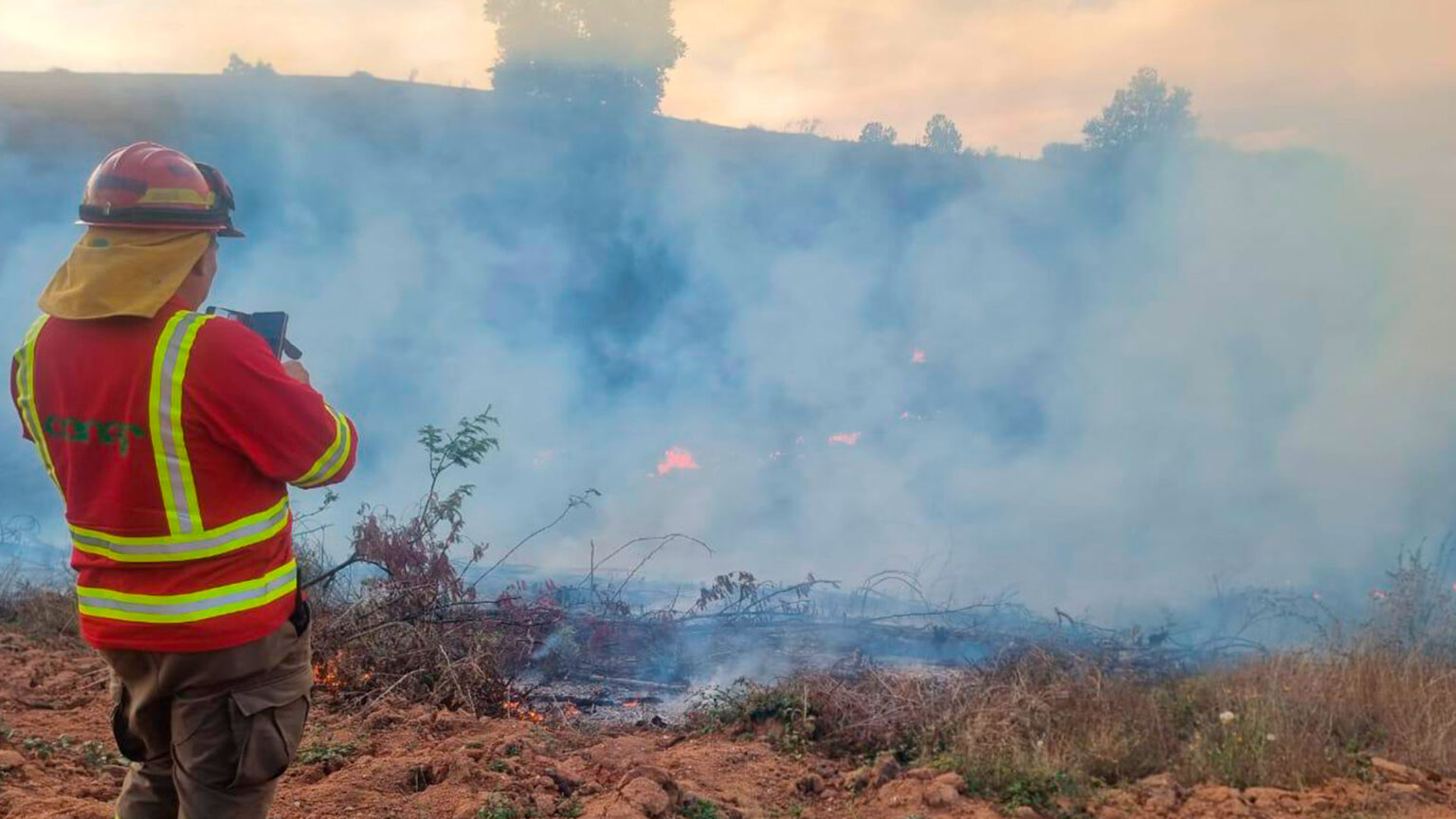
The University of Concepción focuses not only on ecological restoration but also on the safety of the university community and visitors. Juan Emilio Espinoza Carvajal, UdeC's Head of Properties and Forest Management, highlights that the institution follows a wildfire protection program and adheres to CONAF's Early Preventive Alerts and the Red Button system. During the work, safeguarding measures such as preventive signage and demarcation of work areas will be implemented.
The community has welcomed these measures positively, aware that their primary goal is to protect life and the university's natural heritage. A call is made to avoid transit through the intervened areas and to respect the established safety measures to prevent risks.
The results of the ecological restoration will be visible in the medium and long term, following nature's own rhythms. This project represents a commitment to biodiversity and human well-being, aiming for more resilient landscapes and a greener future for Greater Concepción.




Comments (0)
No comments yet. Be the first to comment!
Leave a comment