

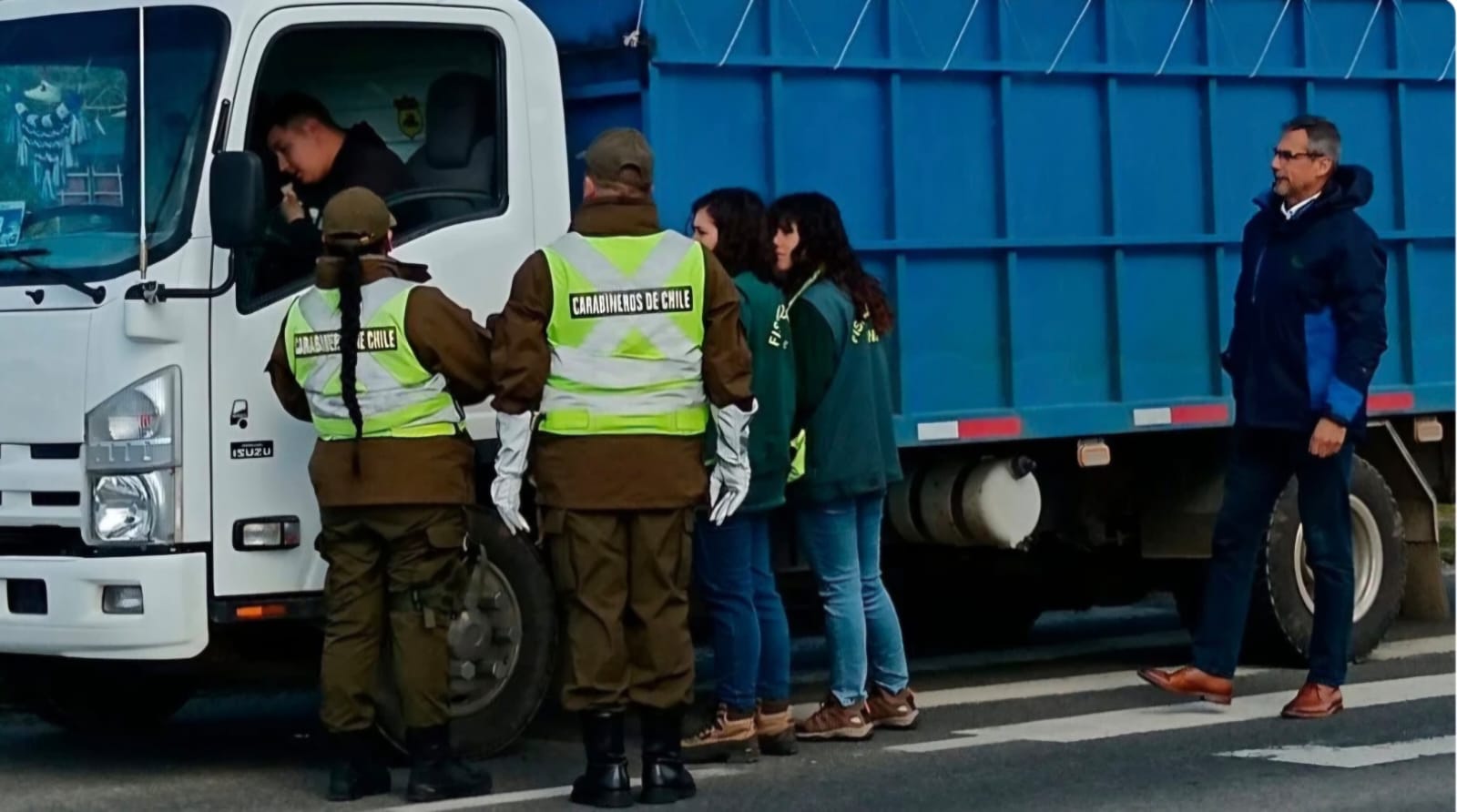
The revelation about an imminent reduction in vital inspections of timber trucks on the various main and secondary routes of La Araucanía immediately set off all alarms in the industry. The controversial measure, stemming from the collapse of facilities to house machinery seized in police operations, prompted the swift rejection of the Association of Forestry Contractors (Acoforag). René Muñoz, the guild's manager, strongly criticized the decision in an interview, arguing that the State cannot halt law enforcement due to a logistical obstacle, just when unprecedented coordination had managed to corner mafias and reduce this multi-million dollar illicit activity to historic lows in the region.
The conflict gained notoriety after it was revealed in the press that Carabineros officially informed the Regional Ministerial Secretariat (Seremi) of Security of its material inability to maintain regular road controls, given that the communes in the area lack available space to store the large seized cargo trucks.
Faced with the enormous public uproar and potential inter-institutional friction generated by the measure, the Seremi of Security of La Araucanía, Israel Campusano, had to clarify that there is no annoyance or objection whatsoever to the intense work carried out by the police. The authority detailed that the only real obstacle is the critical lack of parking areas, a severe preventive hurdle that even led them to formally consult the Comptroller General of the Republic on who should administer these overwhelmed facilities.
SECTOR WARNS OF DANGEROUS MESSAGE OF IMPUNITY
For Acoforag, the Government's justifications are not sufficient grounds to suspend a police task critical for the survival of the sector. René Muñoz stated that moving away from the circulation routes is an erratic measure, contrary to the effort to dismantle the groups profiting from timber theft. Abandoning the controls, he warns, could be interpreted by criminal groups as permission to operate on a large scale.
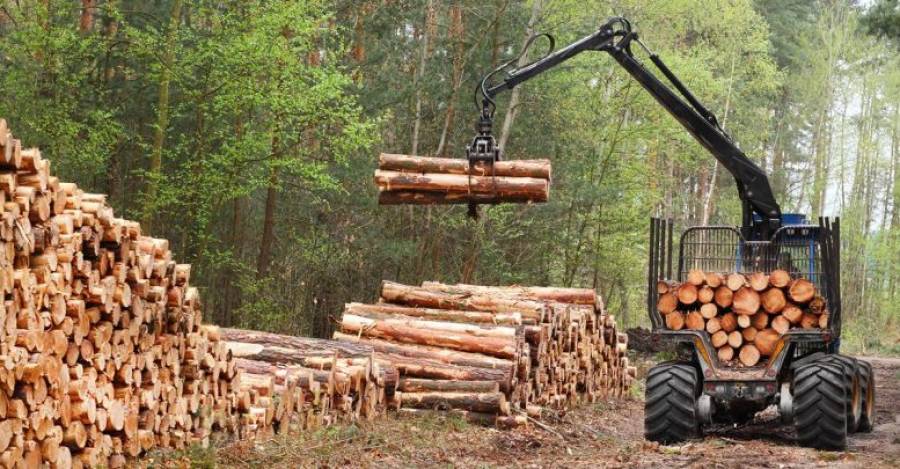
Timber theft does not only involve trucks in transit, but a criminal chain that begins inside the forest and involves specialized machinery and portable sawmills that must be sent to impound lots. To reduce that saturation, the guild proposes concentrating surveillance on main routes leading to large consumption centers.
Despite the logistical setback, timber-related illicit activity has decreased between 80 and 90 percent compared to five years ago, driven by the 2022 law, which integrated protocols and traceability between Conaf, the SII, Carabineros, and the affected companies.
Nevertheless, the sector hopes that this legislative will extends to another front. "We would hope that this could also be extrapolated to the rural violence that destroys our equipment," concluded Muñoz, appealing to the State to curb the problem that has been affecting their workers since 1997.
Source:La Tribuna





Comments (0)
No comments yet. Be the first to comment!
Leave a comment