

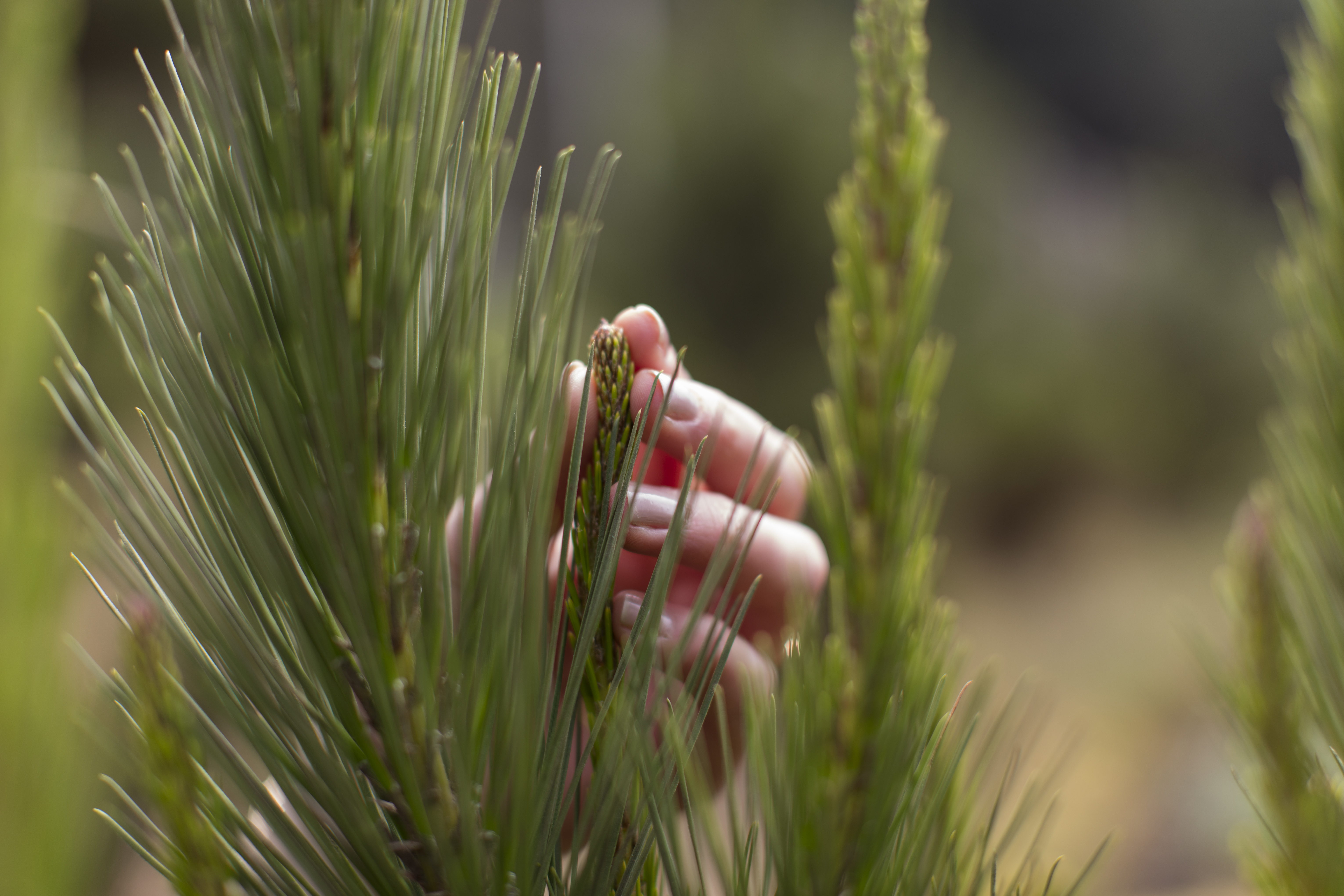
The experience developed in Chile in forest health matters is crossing borders and positioning itself as an international reference. This was demonstrated in Spain and Portugal, where forestry sector specialists turned to the technical knowledge accumulated by ARAUCO to confront the growing sanitary threats affecting radiata pine, one of the most important species for the European forestry industry.
In this context, Rodrigo Ahumada, Assistant Manager of Health and Silviculture at ARAUCO, was invited to participate in an intense technical agenda that included presentations, training sessions, and field evaluations, with the goal of sharing Chilean experience in managing forest pests and diseases. It is no coincidence that Spain and Portugal sought advice in Chile: the sustained and rigorous work developed by the company in South America has become a model in the face of the advance of new pathologies threatening the productivity and sustainability of radiata pine.
Arume Foundation
One of the main highlights of the visit was Ahumada's participation in the international seminar organized by the Arume Foundation, held in Galicia, Spain. This event brought together over 300 representatives from the forestry world, including companies, researchers, authorities, and forest owners. On this occasion, the professional presented ARAUCO's experience in integrated pest management and sanitary control, addressing specific cases from Chile, Brazil, and Argentina, where the species has had to face different sanitary and climatic scenarios.
During his presentation, Ahumada emphasized that effective sanitary management is not based on single or immediate solutions. "The experience accumulated in Chile allows us to contribute to other countries that are now facing relevant sanitary challenges. Integrated pest management is not a recipe: it is a strategy that requires rigor, collaboration, and permanent adaptation," he stated, underlining the importance of constant monitoring, applied research, and evidence-based decision-making.
The technical agenda also included a specialized presentation at the Lourizán Research Institute, a reference in forestry research in Galicia, as well as various field visits alongside technical teams, researchers, and representatives from the forestry sector of Galicia and Portugal. Agricultural authorities from both countries also participated in these activities, enabling direct dialogue between the scientific, productive, and regulatory spheres.
Strategic Value
In that context, Ahumada stressed the strategic value of radiata pine for both Europe and Chile. "Sharing learnings helps the forestry sector advance in a more resilient manner against new diseases and increasingly demanding climatic scenarios," he affirmed, highlighting that international cooperation is key to anticipating emerging sanitary risks.
The technical exchange culminated in Portugal, with a seminar organized by Sonae Arauco, where the Chilean specialist presented silvicultural practices, monitoring protocols, and sanitary control strategies applied by the company in its various operations. The positive reception of this event confirmed the relevance of the Chilean contribution at a decisive moment for the future of radiata pine in Europe, reaffirming Chile's role as a technical reference actor in international forest health.
The report in theAcoforag Magazine



Comments (0)
No comments yet. Be the first to comment!
Leave a comment