

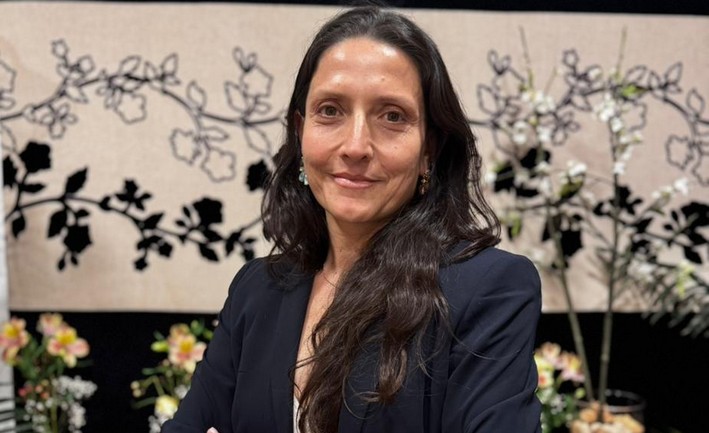
By Javiera Olate González, Vice President of Biobío Madera and President of the Modern Construction Methods Commission of the CChC Los Ángeles
The construction sector is facing a complex scenario. Low public investment, high costs, and economic uncertainty have strained companies, especially small and medium-sized ones, with direct effects on employment and project continuity. However, this context should not paralyze us; on the contrary, it opens an opportunity to transform the way we build and move towards more efficient, modern, and sustainable processes.
In a region like Biobío, which concentrates a relevant part of the country's forestry and productive base, wood emerges as a strategic ally to drive this change. Its incorporation into modern construction methods allows for a transition from traditional practices to planned, controlled, and industrialized systems. More than a trend, industrialization has become a necessity to improve productivity, reduce uncertainty, and raise quality standards.
Industrialized wood construction offers more orderly processes and better performance in terms of timelines, costs, and work quality. The region has favorable conditions to advance: a consolidated forestry industry, installed manufacturing capacity, companies already producing components, and an academic ecosystem committed to specialized training. However, significant gaps persist, such as a lack of standardization, limited access to technology, and low systematization of data and planning—key factors for adopting advanced practices.
A recent survey by the CChC Los Ángeles revealed that, although companies recognize the benefits of modernizing their processes, the implementation levels of modern construction methods remain intermediate or low. This diagnosis, supported by tools from the Technological Development Corporation of the CChC, provides a clear baseline to guide support, investments, and strategic decisions. Therefore, there is both a need and a willingness to move forward.
Another relevant challenge is cultural. Doubts persist about wood in aspects such as durability, fire behavior, or structural resistance. These are understandable concerns, but they now have technical, regulatory, and evidentiary answers that guarantee safety and performance. Local and international experience demonstrates that wood can compete on equal footing with traditional systems.
Moving towards modern construction also expands job opportunities. Industrialized processes facilitate the inclusion of women, attract new generations, and promote more formal and specialized environments. For this change to be sustainable, it is key to strengthen technical training and support SMEs in incorporating management and technology.
The Regional Strategic Program Biobío Madera has brought together the forestry sector, construction, academia, and the state around a common vision, consolidating wood as a real opportunity to build better, with higher quality, lower environmental impact, and more development for the region and the country.
The column inAcoforag Magazine


Comments (0)
No comments yet. Be the first to comment!
Leave a comment