

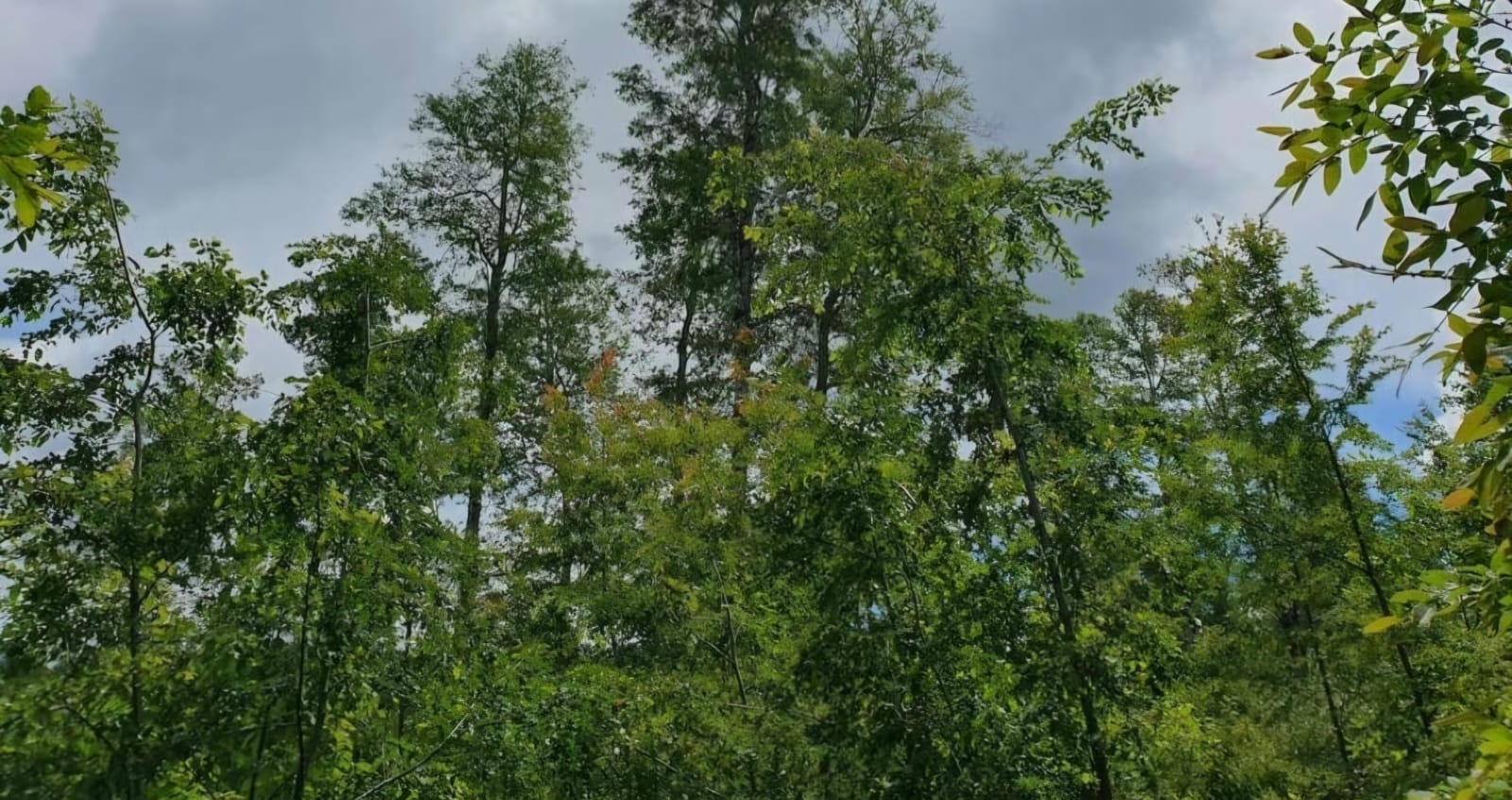
On the occasion of International Forest Day, native forests play a strategic role, not only as carbon sinks and biodiversity reservoirs, but also as a productive base for hundreds of landowners who depend on them for their livelihood and economic development.
Chile faces the challenge of moving towards a development model that combines economic growth, environmental protection, and new opportunities for surrounding communities. In this context, native forests play a strategic role, not only as carbon sinks and biodiversity reservoirs, but also as a productive base for hundreds of landowners who depend on them for their livelihood and economic development.
The country has millions of hectares of native forest, representing a natural heritage of enormous value and, at the same time, an opportunity to promote a forestry industry based on sustainable management, value-added generation, and the strengthening of local economies.
However, to consolidate this productive potential, significant challenges remain. These include strengthening markets for products from sustainable forest management, providing landowners with access to technical tools, and aligning this sector with the country's climate and environmental commitments.
In this line, the Sustainability and Climate Change Agency of Corfo (ASCC) and the National Forestry Corporation (CONAF) promote the Clean Production Agreements (APL) for Native Forest, an initiative that fosters sustainable forest management by incorporating Forest Management with Ordering and long-term planning, allowing for the compatibility of productivity, conservation, and the prevention of environmental risks.
Currently, this initiative covers over 40 thousand hectares of native forest nationwide, in seven regions of the country, where forest owners are advancing towards a model that integrates biodiversity conservation, responsible natural resource management, and the generation of productive opportunities.
"Chile has in its native forest a tremendous opportunity to promote a sustainable productive activity that generates employment, local value, and protection of our ecosystems. Through the Clean Production Agreements, we are supporting landowners so they can manage their forests in a planned manner, improve their productivity, and at the same time contribute to the care of this natural heritage," said the executive director of the Sustainability and Climate Change Agency of Corfo, Ximena Ruz.
This model promotes the transition from extractive practices to planned long-term forest management, which protects biodiversity, improves the provision of ecosystem services, such as water regulation, and helps reduce environmental risks, including forest fires.
The National Forestry Corporation emphasizes that strengthening sustainable management is key to the future of the country's forest ecosystems. "The native forest is a fundamental natural heritage for Chile. Initiatives like the APLs allow progress in its responsible management, integrating owners into a process that improves forest management, protects biodiversity, and contributes to resilience against climate change," indicated Washington Alvarado, Head of the Sustainable Native Forest Management Department at CONAF.
For those who work directly with the forest, this process also represents new development opportunities, as stated by Christian Mattausch, representative of the company representing the Consortium of companies of the Los Ríos and La Araucanía Native Forest APL, "this process has allowed us to organize forest management and project it long-term. Today we have tools to better care for the resource and, at the same time, generate productive opportunities for our families."
Source:La Tercera




Comments (0)
No comments yet. Be the first to comment!
Leave a comment