

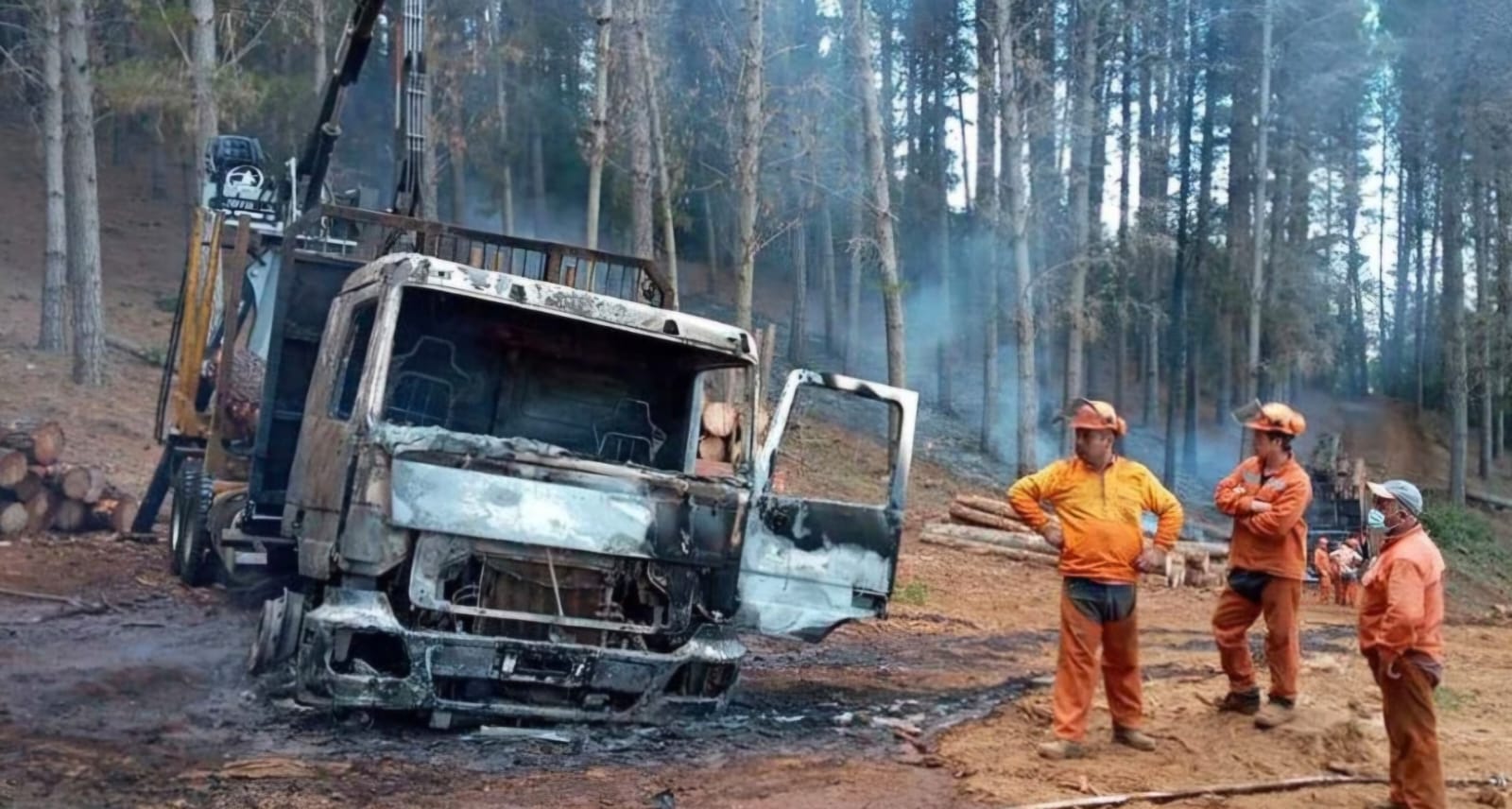
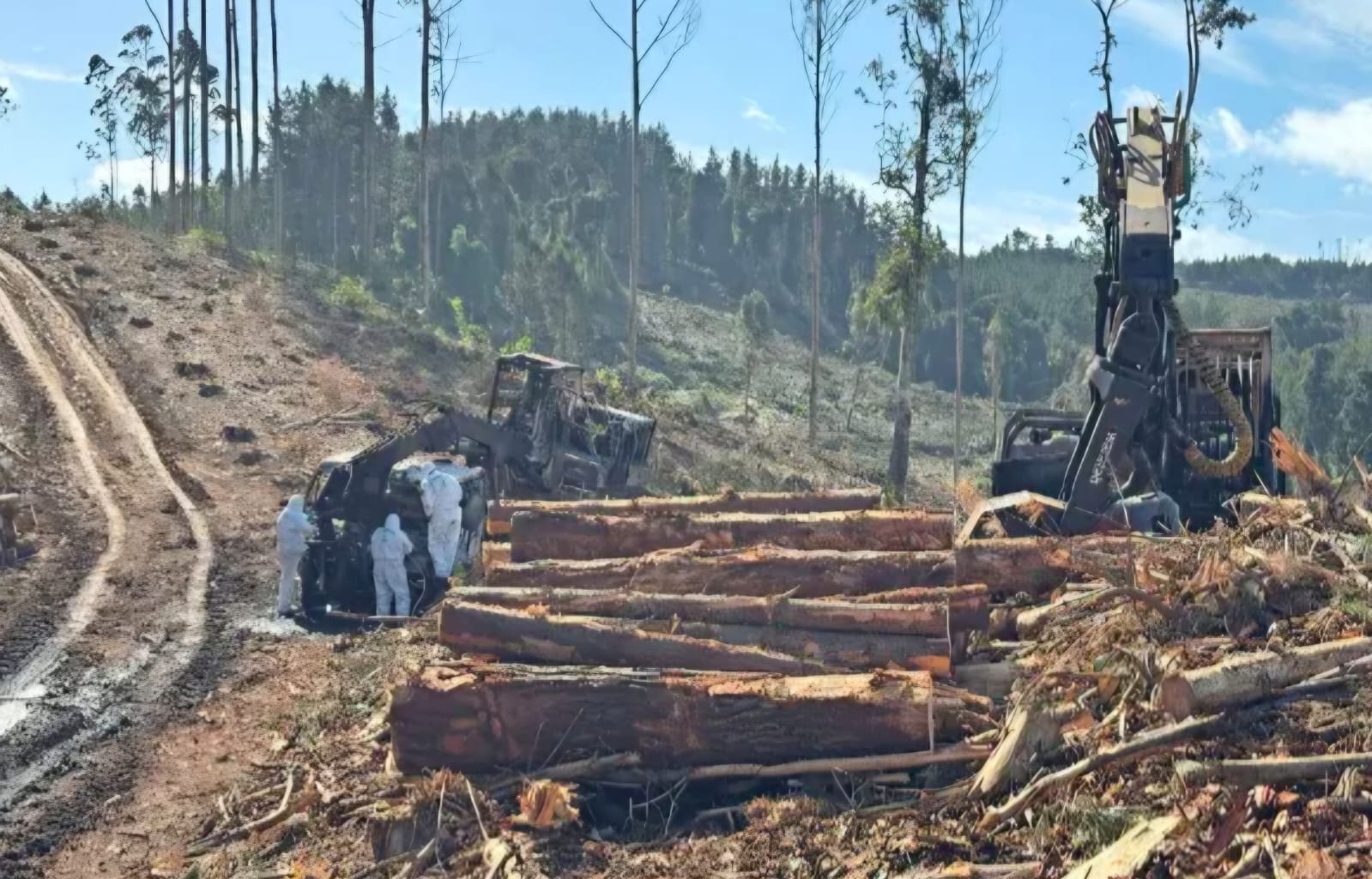
The President of the Republic, José Antonio Kast, announced that the Government will promote modifications to the State of Exception that has been in effect for almost four years in the Southern Macrozone, a measure implemented following the violent events recorded in the provinces of Biobío and Arauco, in the Biobío Region, and in Cautín and Malleco, in La Araucanía.
The President described ending this constitutional measure during his administration as "a challenge," although he warned that the process could take time. In that vein, he advanced that in the coming months, adjustments aimed at strengthening control in sectors considered critical will be applied.
Kast emphasized that the changes will not necessarily imply new legislative initiatives, but will respond to operational agreements with the Armed Forces and law enforcement deployed in the territory, avoiding giving specific details of the measures.
Despite this, he assured that in the coming weeks, adjustments to the security strategy will be finalized, with the goal of moving towards the "normalization" of the area. However, he detailed that the Executive's approach aims to strengthen intelligence over the use of force.
Within the framework of these announcements, Kast also referred to the situation in Temucuicui, a Mapuche community located in the commune of Ercilla, indicating that greater restrictions on the entry and exit of people in the sector are being evaluated.
NECESSARY MEASURE, BUT INSUFFICIENT
Regarding Kast's announcement about potential modifications to the State of Exception that has been in effect for almost four years in the Southern Macrozone, academic and researcher from Faro UDD, Jorge Cordero, argued that the changes would not be substantial in the short term and that their implementation requires a "deliberate and thoughtful" analysis.
The specialist explained that, although the Executive has proposed adjustments, a profound transformation of the measure is not observed - for now. "It is not observed that there are fundamental changes to the implemented measure, and indeed, I believe that analyzing the modifications that can be made to the State of Exception is something that will take time; it cannot be done overnight," detailed Cordero.
In that sense, the expert emphasized that any modification to the State of Exception must consider its implications and be previously discussed with key actors. In his opinion, the process must involve the recently created Ministry of Security, as well as parliamentarians from the affected regions, who — he said — play an essential role in representing the citizenry. Regarding the possibility of territorially limiting the measure, the academic stated that the State of Exception already operated with a certain degree of focus in areas where violent events are concentrated. Therefore, he called for carefully evaluating how significant the proposed changes in that area would be.
Regarding the effectiveness of this tool, Cordero was emphatic in stating that it is a "necessary" measure, but one that can become a "double-edged sword." In that sense, he warned that the prolonged use of exceptional mechanisms can end up normalizing them. "When you abuse exceptional measures, they cease to be exceptional and become the rule," he affirmed.
The researcher also warned that the persistence of violent acts in a context where the State of Exception is already applied highlights limitations of the State in addressing the conflict. "If violence increases when you already have your exceptional mechanism in use, the question arises of what is left afterwards," he posed.
Likewise, Cordero highlighted the importance of not reducing the situation in the Southern Macrozone solely to a security problem. In that line, he insisted on the need to differentiate between violent groups and the historical demands of Mapuche communities, related mainly to land, recognition, and pending public policies.
"The risk is believing that this is only a security problem and ignoring everything else," he stated, adding that this omission could contribute to greater radicalization. As he explained, in recent decades there has been an increase both in the number of radical organizations and in the severity of associated crimes, including links to other illicit activities.
Faced with this scenario, the academic argued that an effective strategy must combine actions to control violence with political and social measures. Among them, he mentioned the need to improve the management of the National Corporation for Indigenous Development (Conadi), expedite land purchase processes, and advance on already established commitments.
Another point he raised was the need to generate reparation policies for victims of violence in the area. "Today there is not only a debt with indigenous peoples, but also a new group of victims that requires attention from the State," he affirmed, noting that this type of mechanism has been implemented in other countries that have faced similar conflicts.
Finally, Cordero called for broadening responsibility in the search for solutions, highlighting the role of the Legislative Branch. In his opinion, there is low demand on parliamentarians from the Southern Macrozone regarding the generation of concrete proposals. "Rhetoric has been privileged over the articulation of solutions," he criticized.
In this way, the debate on the future of the state of exception is positioned not only on the security level, but also on the need to move towards a comprehensive approach that considers the multiple dimensions of the conflict in the south of the country.
Source:La Tribuna



Comentarios (0)
No hay comentarios aún. ¡Sé el primero en comentar!
Deja un comentario