

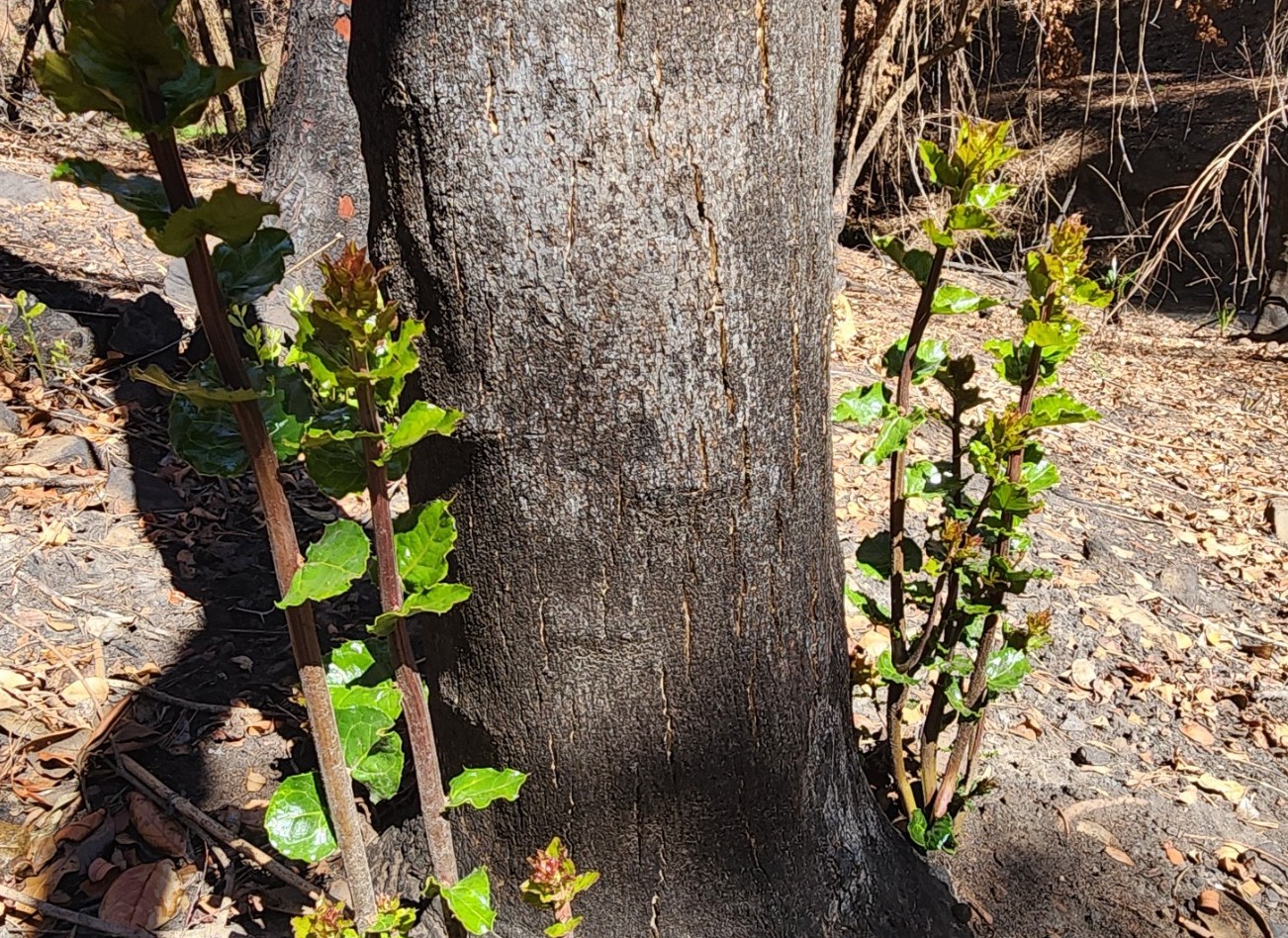
More than two months after the forest fire known as Trinitarias, which affected the sectors of Penco and Lirquén, signs of recovery in the impacted ecosystems are beginning to show. This was explained by academic Dr. Eduardo Peña from the Faculty of Forest Sciences at the University of Concepción, who highlighted the resilience capacity of the area's native vegetation.
According to the specialist, although the landscape initially gives the impression of having been completely devastated, much of the vegetation remains alive beneath the surface. "From the third week post-fire, the first regrowth of native species such as roble, peumo, boldo, and maqui begins to appear, confirming the forest's recovery capacity," stated Peña.
During a field visit with students, at least 24 species in the process of regrowth were identified, including the voqui estrellado, a vine that has shown vigorous growth. Likewise, species such as maqui already reach heights close to 80 centimeters, with projections of significant growth in the short term.
The academic explained that this regeneration is a response to natural adaptations to extreme events such as fires or frosts. In many cases, although the aerial part of the plants is affected, their roots remain active, allowing for regeneration. Additionally, he indicated that most of the fire's energy dissipates into the atmosphere, reducing the direct impact on the soil.
However, the recovery process faces threats. During inspections, the proliferation of invasive species was detected, especially radiata pine, whose regeneration could displace the native forest if not controlled in a timely manner. Peña recommended carrying out manual removal work during the first year after the fire, when the plants are still small.
In this regard, he warned that the presence of nearby plantations can favor seed dispersal after a fire, making their management key to preventing the expansion of exotic species into native vegetation areas.
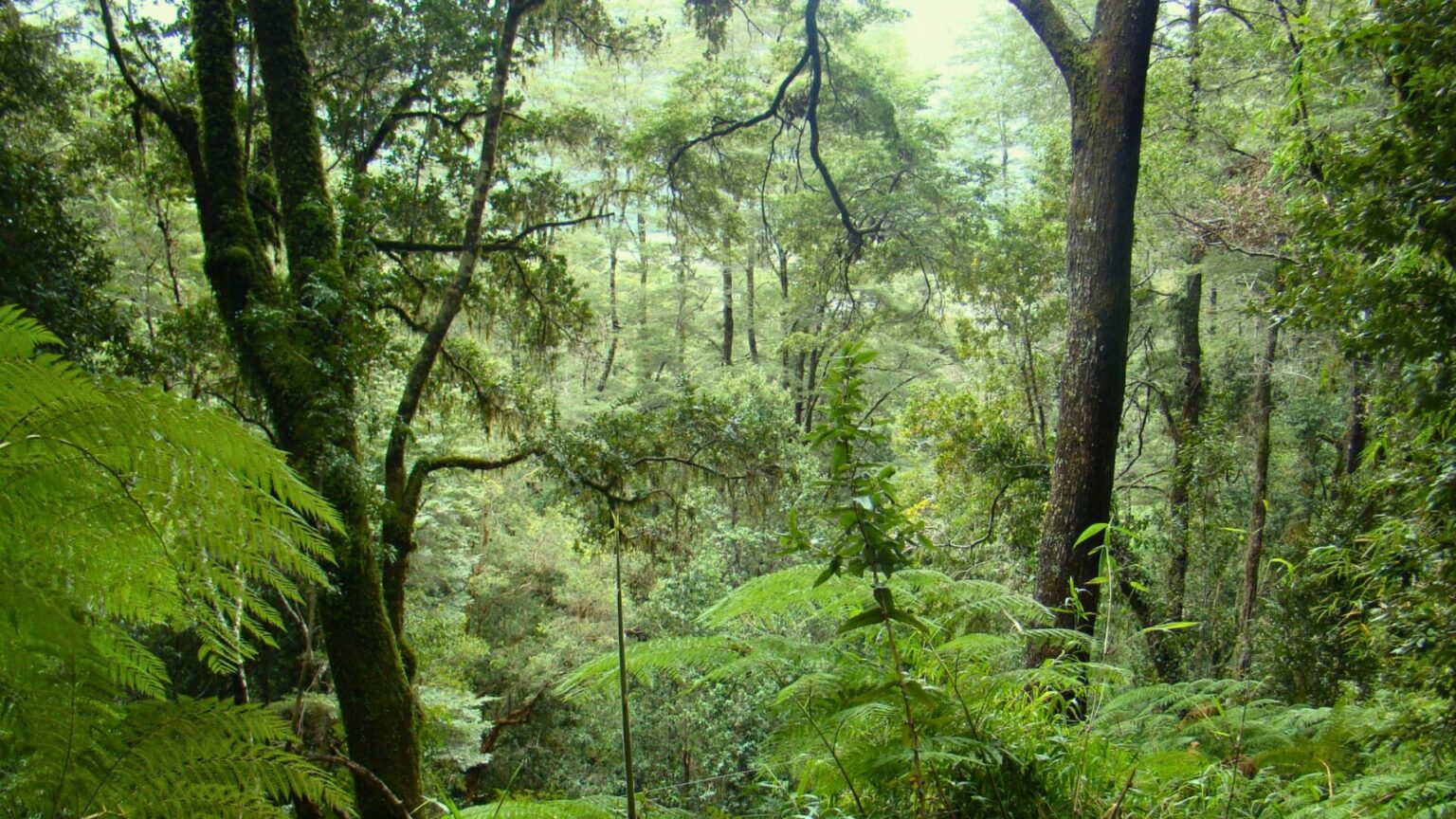
Despite these challenges, the academic emphasized that the natural recovery of the forest maintains positive expectations. However, he stressed the importance of preventing new fires in the affected areas and applying management measures, such as thinning regrowth, to promote more vigorous growth.
"Recovery is possible, but it requires care and proper management. In territories like Penco, where native forest is scarce, its protection is fundamental," concluded Peña.


Comments (0)
No comments yet. Be the first to comment!
Leave a comment