

By:René MuñozKlock,manager of the Association of Forestry Contractors (Acoforag).
In a recent column published in El Mostrador, former Agriculture Minister Esteban Valenzuela vigorously defended the currently pending wildfire prevention bill, criticizing those who oppose it. Specifically, the criticism is directed at the chair of the Finance Committee, Senator Ximena Rincón, but also at the forestry industry and all of us who have criticized the initiative, using terms we would not use. However, insisting on the arguments he previously presented in Congress in favor of the bill does not make them valid or relevant.
Indeed, the bill does not combat intentionality as the origin of wildfires. The column does not contradict this statement. It speaks of "structural coordination mechanisms of CONAF." What this refers to, how it affects the intentionality of fires, is something it does not delve into. It then mentions the red button and a registry of those who can participate in firefighting, aspects unrelated to intentionality. Finally, it points out that the bill includes an "explicit mention" of preventive patrols, but mentioning patrols is not synonymous with addressing intentionality.
Article 31 of the bill indeed mentions preventive patrols, simply stating that under certain conditions the Forest Service must report zones or areas at higher risk of fire occurrence to Carabineros de Chile, who may deploy preventive patrols to monitor them and prevent the commission of arson crimes.
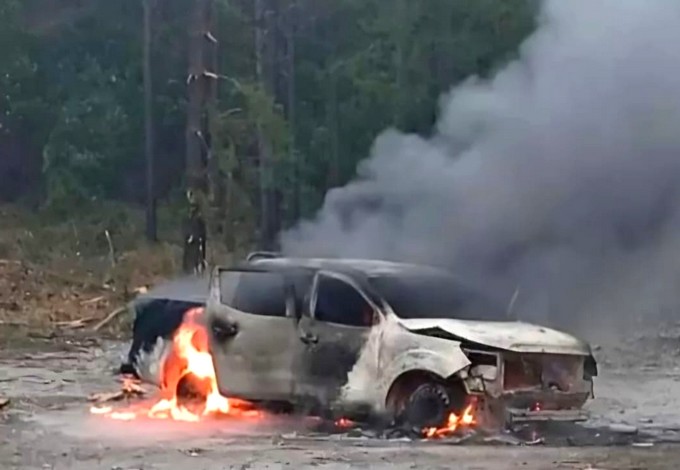
This article adds nothing to the powers already held by Carabineros. It would be difficult for anyone to argue that this mention is a real measure to confront intentionality, which, let's not forget, accounts for over 50% of fires in the Biobío and La Araucanía regions and, on average, can burn two to five times more area than a negligent fire.

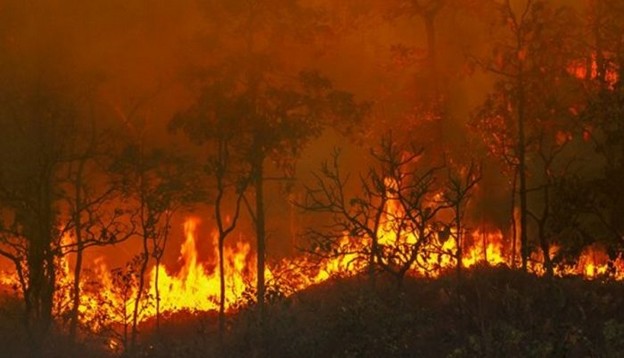
The bill makes no mention of incremental resources for patrols in high-intentionality zones or additional measures in risk areas where firefighters or firefighting aircraft are shot at; nor the development of special programs to pursue intentionality, with reinforcement of territorial control teams or specialized police. Wildfires in Chile are not natural disasters: all are human-caused, with a significant portion being intentionally set. The bill does not account for this reality.
The former minister mentions the work of the Public Prosecutor's Office, but it is not responsible for crime prevention. The column's central hypothesis is that fires occur due to landowners failing to manage vegetation on their properties, and it is they who should be subjected to new regulations, disregarding those who actually start the fires.
The bill turns the victim into the guilty party, pursuing those who get burned rather than those who do the burning. This hypothesis, which ignores intentionality as a relevant factor in the phenomenon of wildfires in Chile, constitutes, in effect, a harmful omission.
On the other hand, suggesting that compensating for expropriatory measures imposed on landowners with properties in the wildland-urban interface would be analogous to the state starting to subsidize electrical conduction when required to clean under high-voltage towers is misguided, as these are completely different situations. Electrical transmission lines generate an inherent risk through their operation. This risk demands vegetation management measures in the easement strip that must be carried out by those responsible for operating the lines, especially since it is a business that generates income for those responsible.
This bears no resemblance to owners of forestry or agricultural properties in the interface or in any area considered to have a high or critical fire threat. These owners do not generate the fire risk through their operations; many of them do not even have economic operations linked to that vegetation, and in fact, many may not even live on those properties.
Despite the vigorous defense of the bill, it remains deficient, and rushing its vote will not solve the country's wildfire problems, much less those of the current season.
Source:El Mostrador





Comments (0)
No comments yet. Be the first to comment!
Leave a comment