

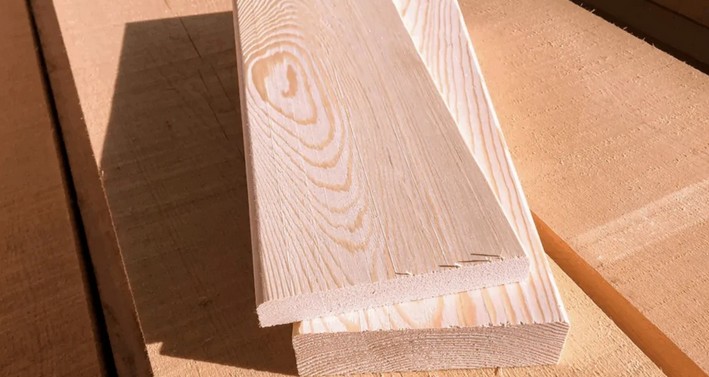
The average nominal prices of the main radiata pine products traded in the country recorded an increase during 2025 compared to the previous year, according to information prepared by the Forestry Institute (INFOR). The upward trend is mainly explained by the better performance of products with a higher level of processing, especially planed wood.
According to INFOR data, the largest increase was observed in radiata pine planed wood delivered at the yard. In the Biobío Region, prices increased by 4.5%, while in the Metropolitan Region the rise reached 5.0% compared to 2024. Price evolution charts show that after a sustained downward trend between 2022 and 2024, values began to stabilize and show a rebound during the current year.
This trend marks a turning point for the domestic market, following a period of adjustments associated with lower demand levels and a slowdown in activity in key sectors such as construction.
Another product that showed a positive variation was radiata pine pulpwood, delivered at the mill in the Maule and Biobío regions, with an average increase of 2.8% over twelve months. This increase reflects a moderate recovery in the pulp industry's supply chain.
Meanwhile, the price of radiata pine sawlogs delivered at the sawmill in the Biobío Region showed a more limited increase of 0.6% compared to 2024. This increase was partially passed on to derived products, as radiata pine sawnwood delivered at the yard in the Metropolitan Region recorded a 1.3% increase in the same period.
However, the INFOR report also notes stability in some segments. Radiata pine sawnwood delivered at the sawmill in the Biobío Region showed no price variations over the last twelve months, remaining at levels similar to the previous year.
Overall, the figures confirm a gradual recovery in radiata pine prices during 2025, with better performance from higher value-added products. INFOR highlights that this evolution could be associated with a normalization of the domestic market and more favorable expectations for the forestry sector, although they warn that the future behavior of prices will continue to depend on factors such as demand, production costs, and the general economic context.





Comments (0)
No comments yet. Be the first to comment!
Leave a comment