


By René Muñoz Klock, Manager of Acoforag and member of Futuro Madera
The recent legislative progress on wildfires leaves us with a bittersweet feeling. While the country cries out for a modern regulatory framework, what we currently have on the table—and what this government has pushed—is a structure that, although well-intentioned, suffers from strategic shortsightedness.
As a sector, our message to the new Executive authorities and Congress is clear: this law must be improved or supplemented urgently. As it stands, it is not capable of preventing fires.
And let it not be said we didn't warn them; for many months, the timber industry associations have pointed out to the authorities that we needed a Fire Law, but a good law, one that pursues intentionality and focuses on prevention rather than firefighting. Unfortunately, that is not the focus of this law.
And let it not be misunderstood that we are against legislating; on the contrary, we are the first to support good legislation and not a "discursive fetish," as some experts have called it, which has placed undue emphasis on urban planning and blaming land use, forgetting that fire does not start on its own and does not recognize administrative boundaries.
It is believed that with zoning and firebreaks on paper the problem is solved, but the reality is that real prevention happens by anticipating. For this reason, Pymemad has raised an alarm we cannot ignore: the lack of incentives for small and medium landowners to carry out necessary clean-up work.
The law approved by the Senate imposes a bureaucratic burden and requirements that, without funding or technical support, end up being dead letter for those who live off the forest, punishing productive activity instead of incentivizing its resilience.
Aprobosque has been emphatic in denouncing that the forestry sector cannot continue under an administration based on legislative improvisation, with reactive laws that have already proven their failure, as happened with the Native Forest Law.
They criticize that legislators, fearing political cost and prioritizing the status quo, ignored technical observations, passing a law that legislates "with its back to rural areas" and ends up pursuing the forest owner instead of the criminal who sets the fire.
CIFAG (the College of Forestry Engineers) points out that various technical and industry actors have repeatedly warned that the bill does not incorporate effective measures to prevent the occurrence of fires, despite a significant proportion of them having human causes, whether through negligence or intent.
They note that concrete technical proposals were presented but were not taken up. There is a risk that public opinion will believe this law will substantially reduce fires, when its main focus remains on responding to fires already declared.
Finally, regarding security, Acoforag is categorical: as the bill is currently drafted, it will not solve the underlying problem. The law says nothing regarding intentionality, which is undoubtedly the most concerning point for the southern zone, considering that over 70% of fires in the southern macro-zone are intentional.
In summary, we know this bill is on the verge of becoming law, which is why our focus now will be to call the incoming government to action to center its efforts on:
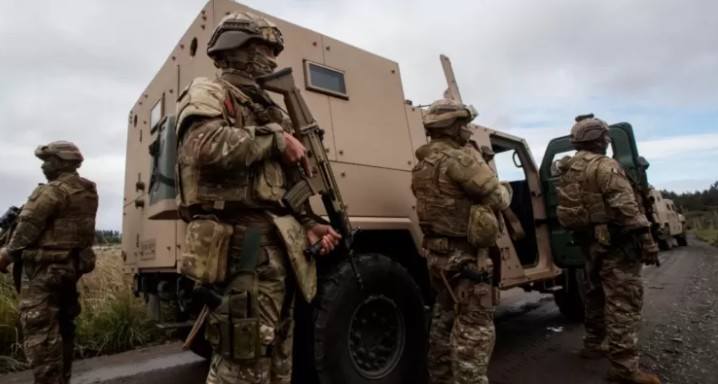
Active Prevention:The State must deploy Carabineros and Armed Forces resources in high-risk areas to monitor historical hotspots of intentional fires.
Modern and Continuous Firefighting:It is crucial to expedite certifications for night-operation aircraft and equip CONAF with resources to deploy brigades with 24/7 capability, eliminating labor obstacles that currently limit nighttime presence.
Investigation and Prosecution:We must stop turning a blind eye to the crime. The Public Prosecutor's Office and the police need intrusive investigative powers similar to those under Law 20,000 to dismantle the criminal gangs behind the fires.
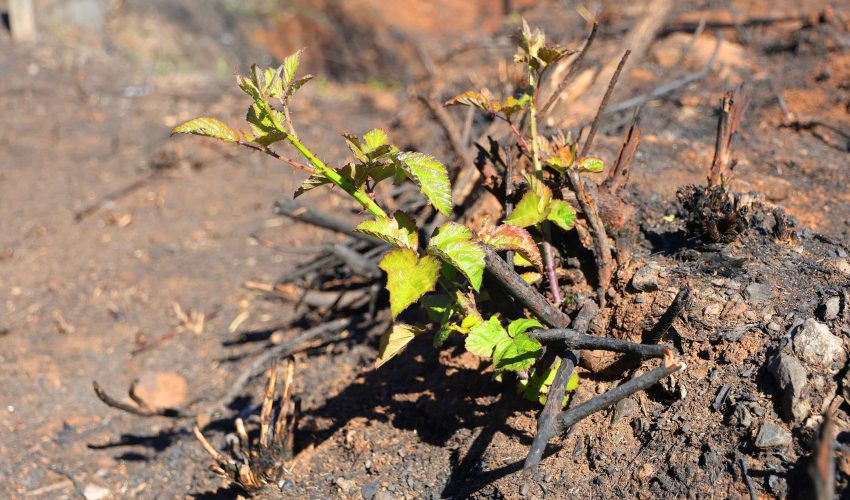
Productive Recovery: It is vital to recover the affected area, prioritizing small and medium landowners in regions with a forestry vocation, thereby ensuring social and environmental benefits.
Chile does not need a law "for the photo op" or to fulfill the agenda of the day. We need a technical tool that protects biodiversity, our productive capacity, and, most importantly, people.
Column onBiobioChile





Comments (0)
No comments yet. Be the first to comment!
Leave a comment