


Understanding the state of native forests, their biodiversity and the changes they undergo in the territory was the focus of a study presented at the seminar "Results of the monitoring of native forests in the La Araucanía Region," organized by the Forest Institute (Infor), Conaf, the Natural Resources Information Center (Ciren) and the Catholic University of Temuco.
The research, developed within the framework of Chile's Integrated Monitoring System for Native Forest Ecosystems (Simef), gathers biophysical, environmental and socioeconomic information to understand the evolution of these ecosystems and provide background information to improve their management and conservation.
Among the results, the record of 58,884 arthropod individuals stands out, corresponding to 2,076 species identified in La Araucanía. Of these, 13 were recognized as new to science, evidencing the biological diversity present in the region's forests and the importance of maintaining their monitoring.
Changes in the territory
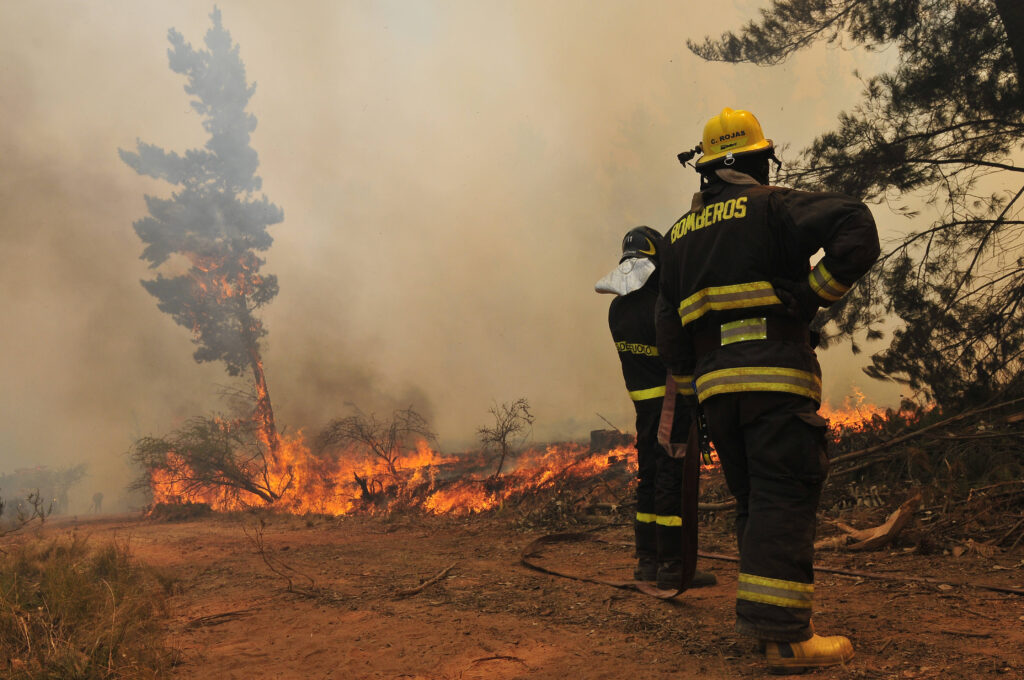
The study also identified the main transformations in regional forest cover. According to the background information presented by Conaf, substitution represents 38.3% of the changes recorded, followed by forest increase (30.7%), deforestation (25.3%) and restitution (5.6%).
The results also show differences between communes: Lumaco, Carahue, Angol and Toltén concentrate mainly the substitution processes, while Collipulli, Lonquimay and Melipeuco stand out for deforestation.
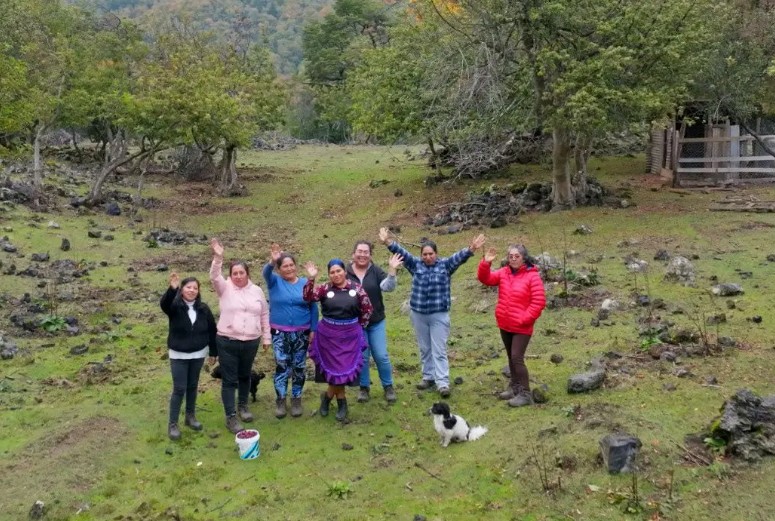
Another component of the research addressed the socioeconomic reality of the territories, identifying changes in the property structure of the estates and a trend toward less diversified production systems, with greater dependence on external income.
Information for decision-making
One of Simef's main contributions is the generation of public and free data, available through a digital platform administered by Ciren. This tool allows consulting and downloading information on native forests, facilitating its use in research, territorial planning and natural resource management.
With 11 years of development, the system constitutes a joint effort by Infor, Conaf and Ciren to strengthen knowledge of the country's forest ecosystems and provide technical information that contributes to their conservation and sustainable management.




Comments (0)
No comments yet. Be the first to comment!
Leave a comment