


By Anita Jara Venegas, Architecture Professor at San Sebastián University
In recent years, Chile has taken firm steps to promote wood construction. Awareness of climate change has positioned sustainable living as a national challenge and restored prominence to this noble material, as ancient as it is relevant. Various studies have demonstrated its thermal comfort properties, and the experience of living in a seismic country has confirmed the flexibility and strength of wood structures.
This is complemented by the development of engineered wood, industrialization processes, and the establishment of cross-laminated timber plants, which highlight the versatility of a resource that belongs to and represents us. Although there is always room for increased dissemination, constant efforts by public and private institutions to strengthen the image and industry of wood construction are acknowledged.
Consolidating Biobío as a forestry region and Chile as a timber-producing country requires collaboration. Sharing a vision among the public, private, and academic sectors is a formula that has proven effective in various countries. It is about strengthening dialogue and sharing knowledge, not walking in parallel but growing together.
Just like the evergreen forests of southern Chile, the country's most diverse native forests, where many species grow together in synergy; the nation needs alliances that seek the common good and look forward. Only then can we pass on to future generations a better place to live, more humane and more our own.
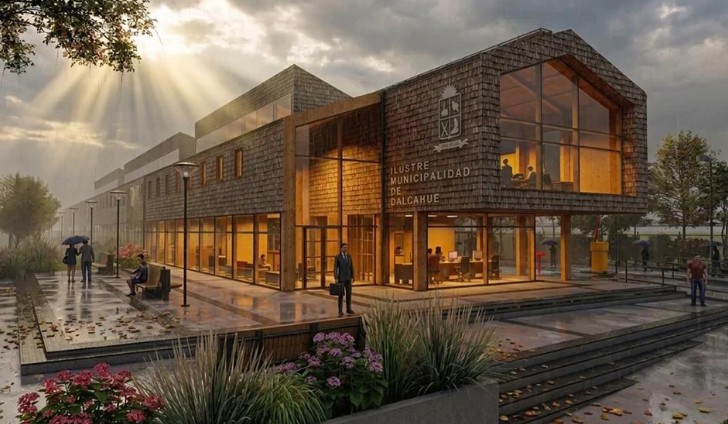
In addition to research and education, we need public works built with wood. The magnificent works in Constitución—the Cultural Center and Theater by Alejandro Aravena, and the Library by Sebastián Irarrázabal—are tangible proof that beauty and sustainability can coexist. Following this example through public policies that promote public wood buildings, as seen in Northern Hemisphere countries, is a necessary decision.
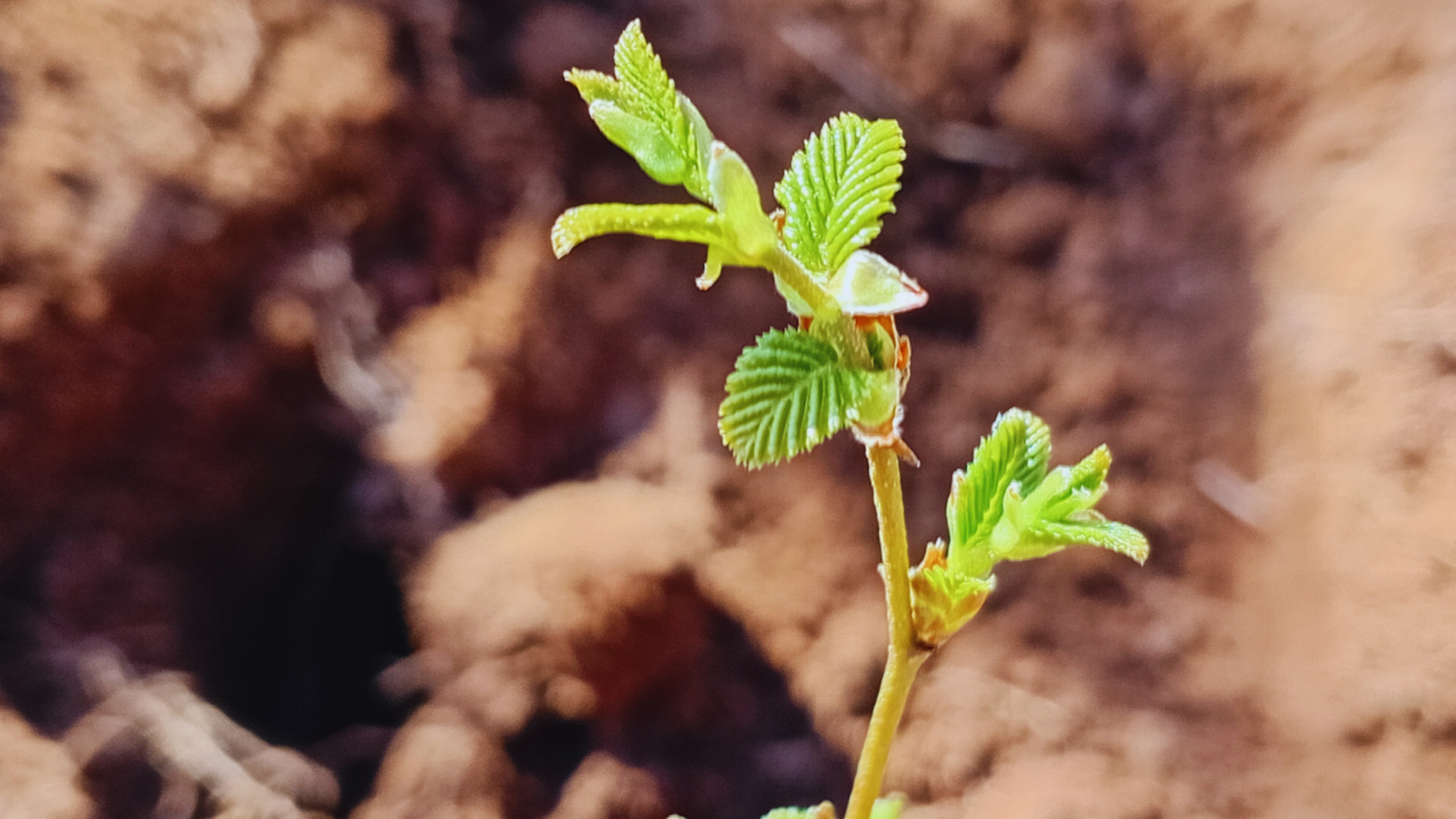
And if we think about the future, we must sow it from childhood. Educating children in sustainable construction is teaching them to care for their surroundings. An adult who understands that their decisions shape their environment will undoubtedly be a citizen committed to their surroundings. With knowledge, innovation, and a sense of belonging, Chile can build its future with deep roots and sustainable wood.
The opinion column inRevista Contratistas Forestales




Comments (0)
No comments yet. Be the first to comment!
Leave a comment