

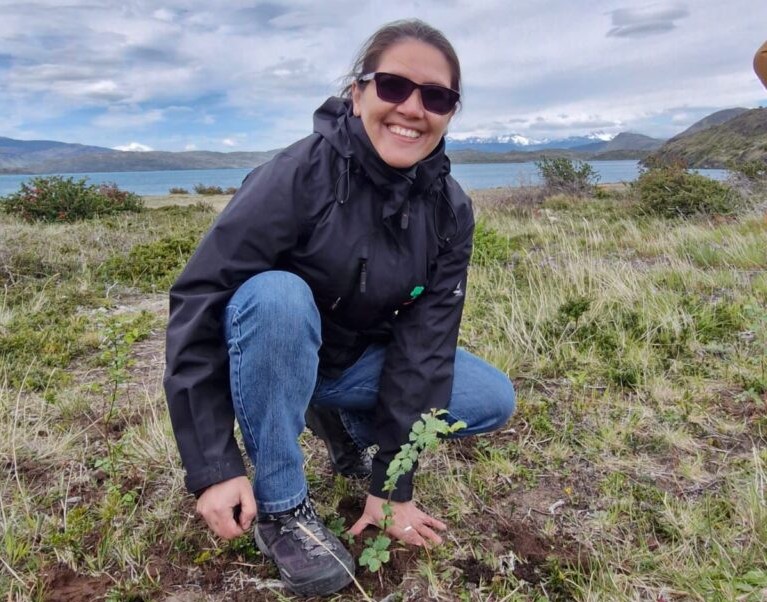
"The Government is more concerned about reducing the military presence due to cost issues, more than security itself, as it would save the more than $20 million daily that the deployment of military personnel in the area costs. In these times of savings and financial cuts, I hope that is not the excuse," said the former governor of Malleco and PPD deputy for La Araucanía, Andrea Parra, regarding the Government's signals to de-escalate the state of exception in the southern macro-zone.
It was the Minister of Defense himself, Fernando Barros, who, when requesting the renewal of the measure before the Chamber of Deputies, stated that "there is the intention to gradually decrease the (military) presence, to take actions that allow a return to normality, strengthening Carabineros and the PDI."
The parliamentarian formally requested the Ministry of the Interior, through the presidency of her corporation, for the Executive to provide information "about the eventual plan it is working on to modify the constitutional state of exception of emergency zone in the southern macro-zone, information that has been reported in the press, but of which no further concrete details are known."
Parra warned that "we have learned of the Government's intention to de-escalate the state of exception but, unfortunately, to date we have not received any information. We have requested it from the Minister of the Interior (Claudio Alvarado), and also from the regional presidential delegate (Francisco Ljubetic), without obtaining responses, and therefore, we hope that via formal request details
of the plan that the Government intends to implement in the coming weeks will be provided to us," she emphasized.
She stressed that "we hope that through this formal request, formal and institutional information will be provided. What security reforms are contemplated for La Araucanía? What measures and strategies different from the current ones does this plan include? How to address the absence of military personnel in the territories? These are very valid questions that the region is asking and that we deserve to know in advance."
In the same vein, she said that "there is no possible de-escalation without a serious and robust action plan."
Victims and unions affected by the violence have expressed their disagreement with the withdrawal of the military presence as long as the dozen violent organizations operating in the southern zone are not dismantled.
"The risk of attacks remains"
In turn, the vice president of the National Agricultural Society (SNA) and president of the Agricultural Society of Biobío (Socabío), José Miguel Stegmeier, stated that "we do not agree that the state of exception be lifted and not even that it be announced."
He argued that "on the one hand, this year we are still having attacks in Biobío and La Araucanía; and, on the other hand, the people who commit these terrorist acts are free. Therefore, the risk of attacks remains."
Regarding the costs implied by the state of exception, Stegmeier stressed that "here security comes first and what this Government most stated was that its primary objective was to achieve greater protection."
He expressed that "we are glad that they have backtracked on reducing the Ministry of Public Security's budget" and emphasized that "in the case of the southern macro-zone, we have endured many years of terror and losses and relaxing this would be fatal."
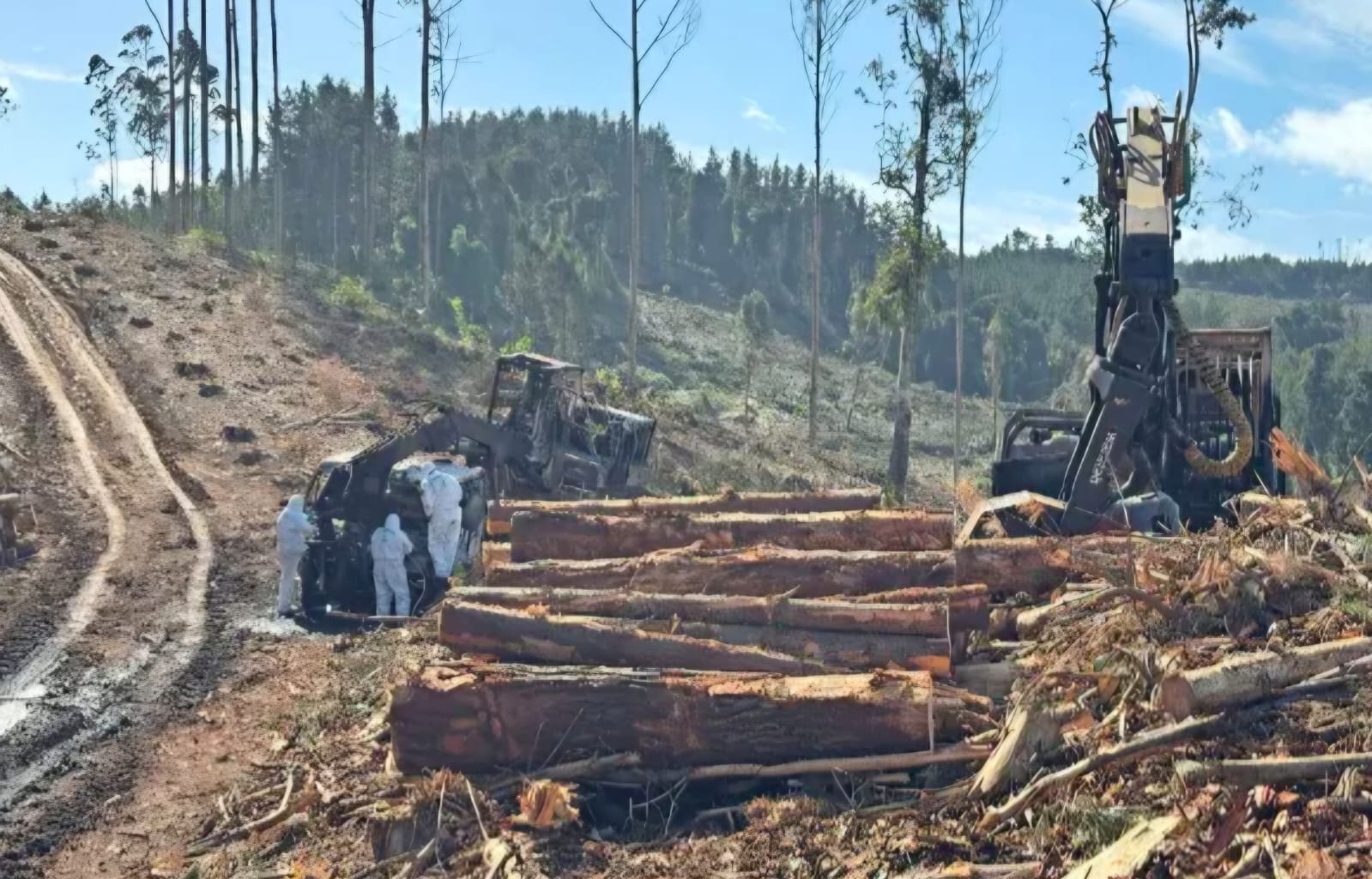
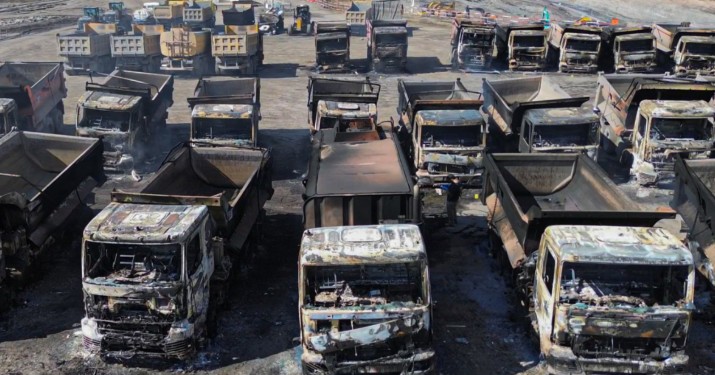
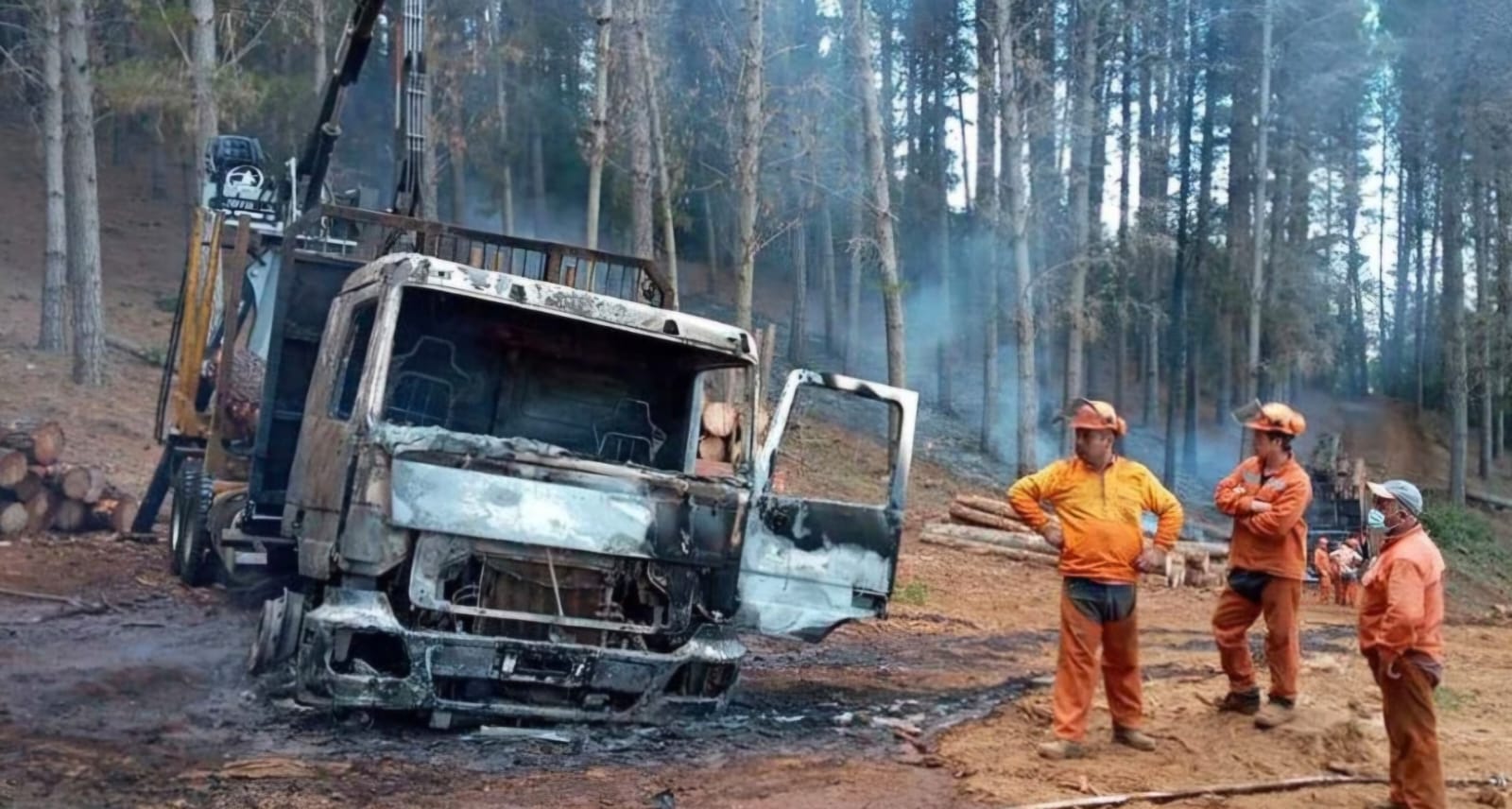
He added that "what could be saved on one hand will mean greater sacrifice for private individuals, with the burning of forests, vehicles, and machinery."
When asked about a potential de-escalation of the state of exception in the southern macro-zone, the Communications office of the Regional Presidential Delegation of La Araucanía responded that there are no announcements in this regard. Similarly, they stressed that such measures must be evaluated and that a decision like that, or others, must be made considering a series of background factors.
Source:El Mercurio



Comentarios (0)
No hay comentarios aún. ¡Sé el primero en comentar!
Deja un comentario