

The forestry sector of the Biobío Region continues to be one of the pillars of exports, although during February 2026 it showed a declining performance in several of its main products, within a context of slight overall growth in regional shipments.
According to the latest bulletin from the National Statistics Institute (INE), regional exports reached US$366.5 million in February, representing a year-on-year increase of 1%. However, the year-to-date cumulative still shows a contraction of 4.2%.
Within the industrial sector — which accounts for 96.5% of regional exports — forestry activity remains relevant, with an 18% share. Nevertheless, it recorded a 26.1% decrease compared to the same month of the previous year.
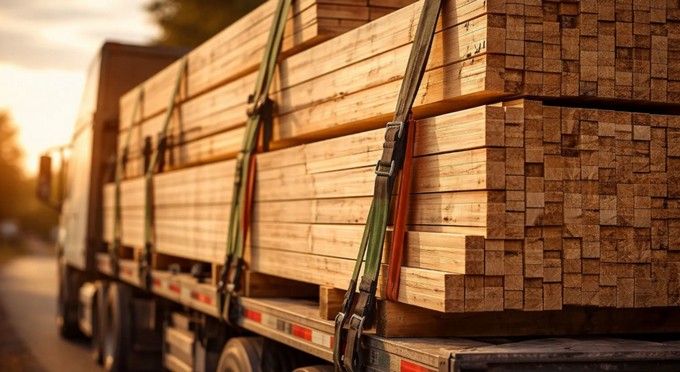
Among the most affected products, sawn wood stands out, falling 39.4% to reach US$25.3 million. This is compounded by declines in plywood (-26.3%), fiberboard (-38.6%), and wooden doors (-26%).
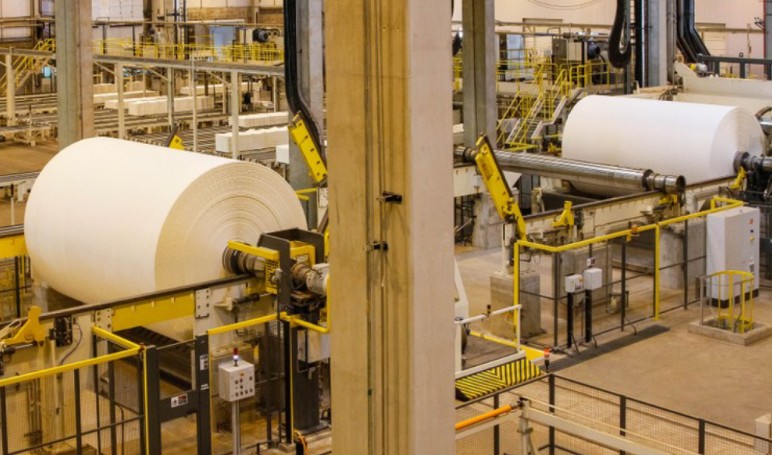
Likewise, pulp — the region's main exported product — totaled US$125.1 million, with a year-on-year drop of 14.7%, although it remains the axis of foreign forestry trade, representing 34.1% of total exports.
High Dependence and External Pressure
The report also highlights the strong dependence on international markets, especially Asia, the continent that concentrated 34.3% of shipments but recorded a 16.3% drop in the period. China, the main trading partner, reduced its demand by 8.7%.
This scenario reflects a challenging environment for the forestry sector, where lower external demand and price volatility continue to impact export volumes.
Despite this, the forestry industry remains strategic for the regional economy, along with the production of pulp, paper, and cardboard, consolidating itself as one of Biobío's main productive engines, albeit with adjustment signals marking the beginning of 2026.







Comments (0)
No comments yet. Be the first to comment!
Leave a comment