

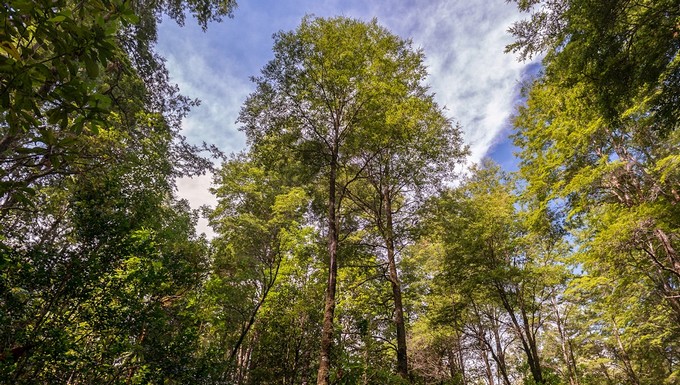
The 2025 Country Report raised alarms about the state of native forests in Chile, revealing a scenario marked by growing environmental threats and human pressure on these ecosystems.
According to figures from the National Forestry Corporation (Conaf), the country has more than 14.7 million hectares of native forest, concentrated mainly in the south, between the regions of La Araucanía and Magallanes, where 81% of this area is located. However, the same report warns that between 2001 and 2023, nearly 400,000 hectares have been lost due to changes in vegetation cover and various human activities.
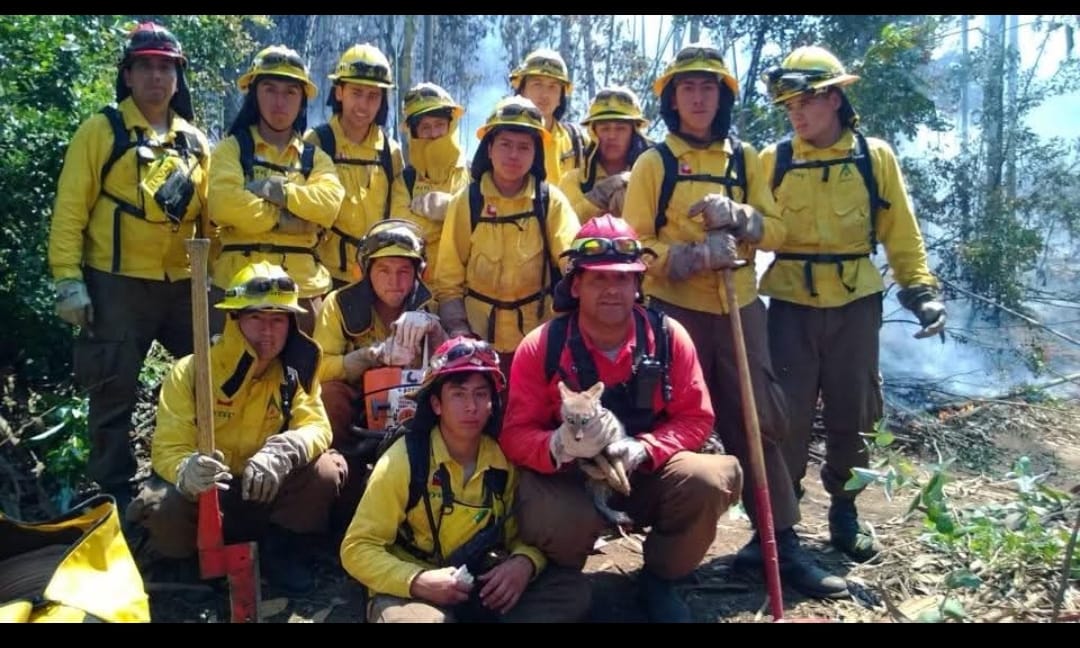
One of the most critical factors is the sustained increase in wildfires. The document indicates that these events have increased in frequency and intensity in recent decades, largely due to the megadrought and heat waves. Recent episodes, such as the 2017 and 2023 fires, swept through hundreds of thousands of hectares, mostly affecting forest plantations but also generating significant impacts on native forests.
To this is added the effect of climate change, which is already causing visible alterations in these ecosystems. Among the main consequences are decreased tree growth, reduced carbon capture capacity, and the deterioration of emblematic species. Furthermore, extreme climatic conditions have favored phenomena such as foliage decline in various species.
Faced with this scenario, the 2025 Country Report raises the urgency of strengthening public policies aimed at the protection and recovery of native forests. Among the proposed measures are increased incentives, training for small landowners, and ecological restoration programs.
The diagnosis is clear: moving towards sustainable management will be essential to halt the degradation of native forests and better face the environmental challenges that Chile is confronting.




Comments (0)
No comments yet. Be the first to comment!
Leave a comment