

The forestry industry has reduced the employment capacity it provided a decade ago. Sawmills, part of the primary industry of the forestry sector, have seen a significant decline over the years. Issues related to rural violence, fires, and rising costs in production processes have challenged certain forestry operations.
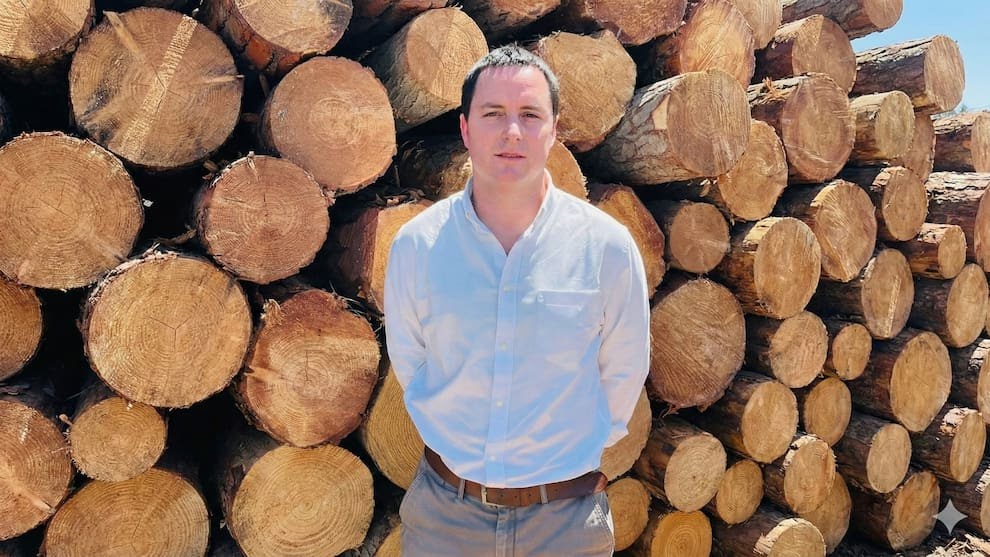
Such is the case of Forestal Santa Blanca, owned by the Holzapfel-García family and considered a medium-sized player in the forestry sector, whose operations employ around 500 direct workers. They have had to reduce, though not drastically, the employment they provide. With two plants in the Maule Region and one in Los Ríos, Santa Blanca is the third largest in terms of installed capacity per shift in the country, only behind the giants Arauco and CMPC in this segment.
The general manager of the forestry company, Ignacio Vera, comments that the rise in gasoline that took effect this year, alongside the new government of José Antonio Kast, affected the company, as did the implementation of the 40-hour workweek.
How have these first six months of the year been going?
-We are always working with a two- to three-year plan at the supply level. There’s nothing new there because we plan ahead. What I can tell you is how I see the market: tight. Wood lost competitiveness due to its high production cost. This year, the rise in fuel hit us hard and significantly. Increases that can amount to about 10% in costs.
If we all start fully passing on the increase, it creates a zero-sum game. And in the end, you achieve an impact on the economy with zero revenue gain. With inflation alone, you eat up the entire increase. Diesel hit us very hard and stagnated demand quite a bit. It’s been tough because of that. The 40-hour law also hit hard starting in April. It led to lower production: costs go up due to lower productivity, and logistics costs increase too.
Did it affect your internal organization?
-The entire static budget was set with different values. You don’t know what decisions to make because the comparison against the budget is practically invalid; you start looking at how you did the previous month instead. That also impacted the dollar. You have to consider that forest transactions are quite dollarized. That’s why January and February were very tough months.
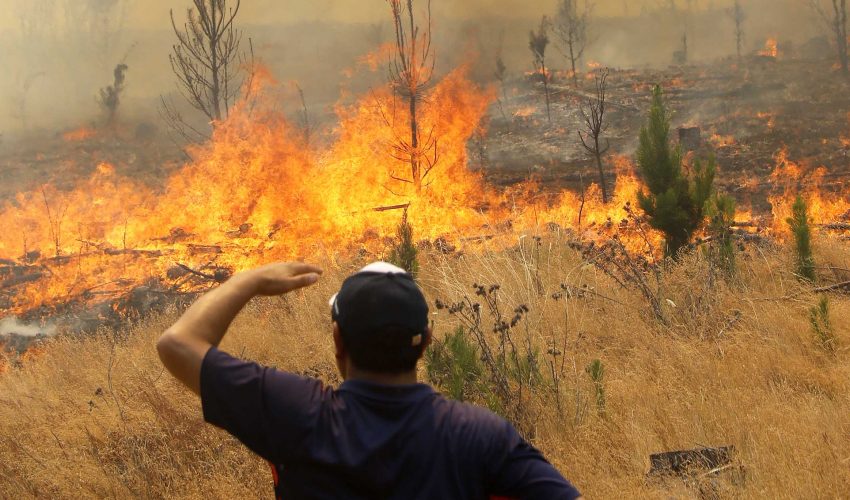
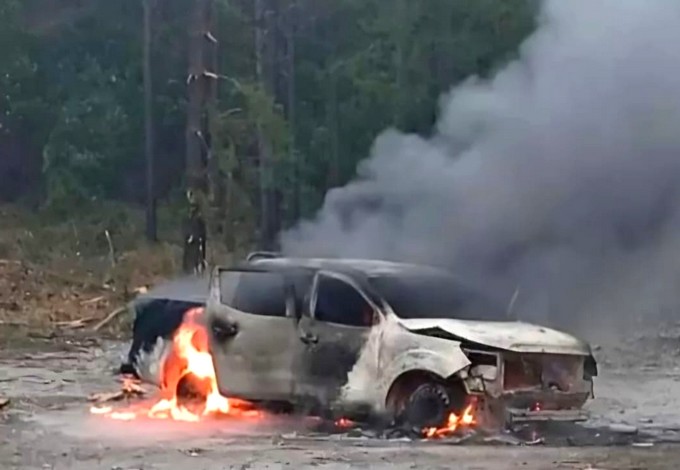
The various contingencies in the forestry sector, whether fires, rural violence, and costs, mainly.
How much has it affected Santa Blanca economically?
-There are situations that have forced us to make decisions we wouldn’t make if it weren’t for political issues, terrorism, and theft. We don’t have many forests in La Araucanía. In fact, we’re only now starting to operate there a bit, because we’ve had to decide to skip the red zone. We have a sawmill in Valdivia, in San José de la Mariquina, and the other two sawmills in Maule. So, we skip from Maule to Los Ríos, practically bypassing La Araucanía and very little in Biobío.
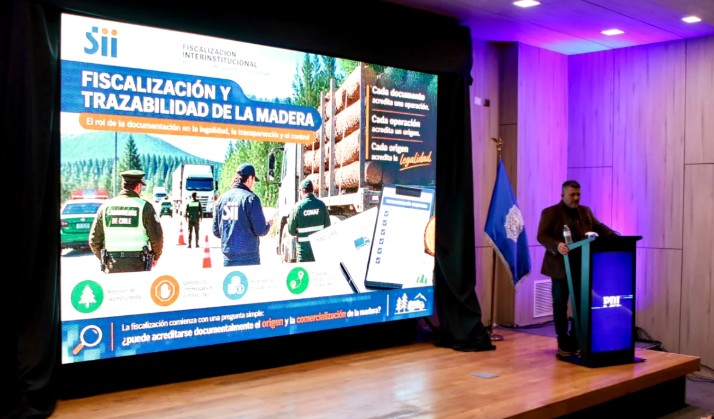
Another relevant factor in this is the precautions it entails. There’s an extra cost in the industry due to all this. These situations, like the sentences for executives who buy stolen wood, as seen in the news, force you to have a specialized area for traceability, chain of custody, certifications, and verifying origins. That’s perfectly fine, but they are added costs.
That area has very good raw material. In La Araucanía, there are excellent forests, but unfortunately I can’t access these forests because they are quite far from my plants. And why are they far from my plants? Because I built the plants far from there. And why did I build them far from there? Because there’s an imminent risk of fire, theft, and everything.
Have you had to reduce employment at your plants?
-Well, we haven’t reduced production capacity. We have tried to be more efficient and especially to combat the 40-hour law, which hit us very hard. All kinds of ideas have come up to effectively work with fewer people. We have reduced staff, though not drastically because we didn’t want to lower production levels, but clearly, projects that involve mechanization and line automation are gaining more traction than ever.
CMPC and Arauco expanded their business to other countries, Brazil in particular. Have you thought about expanding to other regions or countries?
-Due to scale, we don’t have that in mind right now. Years ago, I’ve heard, opportunities were considered to set up sawmills in northern Argentina, but those ideas didn’t prosper for some reason, and today I haven’t seen them resurface. What has gained ground is exporting to other countries.
Why didn’t the Argentina idea prosper?
-At that time, it was because Chile had a lot of forestry expertise, and the goal was for Chilean companies to go operate forests that were there with local owners. But now Uruguay, Argentina, and Brazil already dominate the industry quite a bit, so today it’s not something that brings value.
Now, which countries do you sell to?
-We mainly have business in the domestic market, and then in South America and Central America. It varies depending on the season and different factors. But the domestic market represents about 80%.
Source:La Tercera


Comments (0)
No comments yet. Be the first to comment!
Leave a comment