

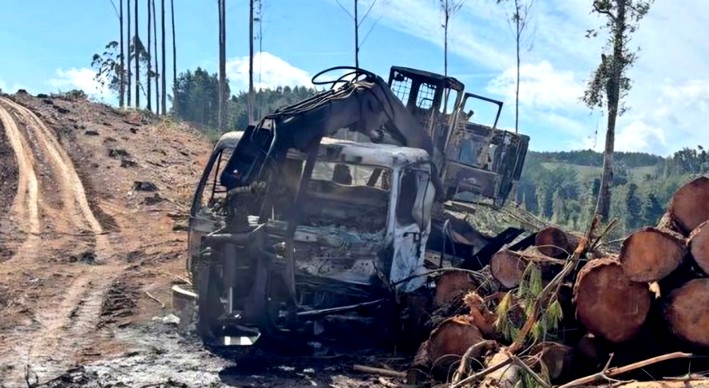
With more than 500 arson attacks recorded in the last 12 years, forestry contractors are the productive sector most targeted by violent and criminal organizations in the southern macrozone. Now, they are also facing red numbers in unemployment due to lower timber prices and a decline in exports. In the first five months of 2026, these decreased by 15.4%, according to the Forestry Institute (Infor).
The family of contractor Juan Navarrete, a frequent victim of violent acts, laments that "along with the well-known issue of security, we are now facing a shortage of work." Yasna Navarrete adds: "Even though my family has been in this field for decades, we have never seen a crisis like the one the forestry sector is currently experiencing."
Navarrete states that "in fact, one of the large forestry companies this year eliminated the area where the productive process of the trees begins, and we don't know if they will resume it in 2027," and adds that "now we are experiencing a tremendous problem of job insecurity, which is another blow for forestry contractors and their families."
From the Association of Forestry Contractors (Acoforag), they warn that about 80 companies and around 4,000 jobs have been lost in this sector in recent years. "This is the result of nearly 30 years of terrorist attacks in the south, intentional forest fires, and a loss of legal certainty," says Acoforag manager René Muñoz. "Faced with this scenario, companies are eliminating jobs and end up leaving the area," he emphasizes.
Low investment and change of business
"Since better conditions are not projected, forestry companies are taking their investments to other countries, and contractors are changing their line of business," Muñoz states.
He argues that "large companies are not investing in the formation of new forests, a process that includes planting and pruning. This shows the lack of interest in continuing to have the resources to feed the industry," he says.
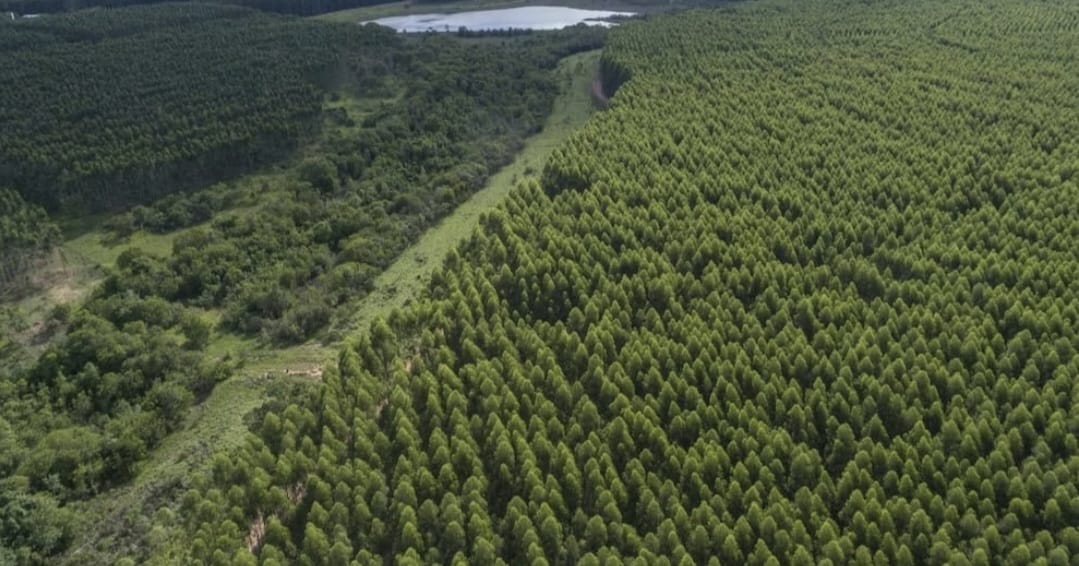
The union representative affirms that "today we have no afforestation, which is the planting of new forests," and adds that "since we are a sector that works long-term, with trees planted today that mature in 15 to 20 years, everything we fail to do today will be reflected later. Insecurity is mortgaging the future, because in a few years there won't be enough forests to meet demand," laments René Muñoz.
Prices, costs, and tariffs
The Chilean Wood Corporation (Corma) confirms "the complex scenario" facing the sector. Its president for La Araucanía, Los Ríos, and Los Lagos, Antonio Soto, states that "the situation affecting the forestry area has various factors: there are issues of prices, input costs like oil, and tariffs," and acknowledges that in terms of impact on employment, "the most affected are the service-providing companies. In fact, some SMEs have had to close."
Corma's macrozonal representative details that the sector's situation was presented to President José Antonio Kast during his visit to La Araucanía last week.
"We made him see how complex the issue is and how important security is for companies. This has been a key factor, because many people do not dare to plant again, due to uncertainty," emphasizes Antonio Soto.
High intentionality in fires
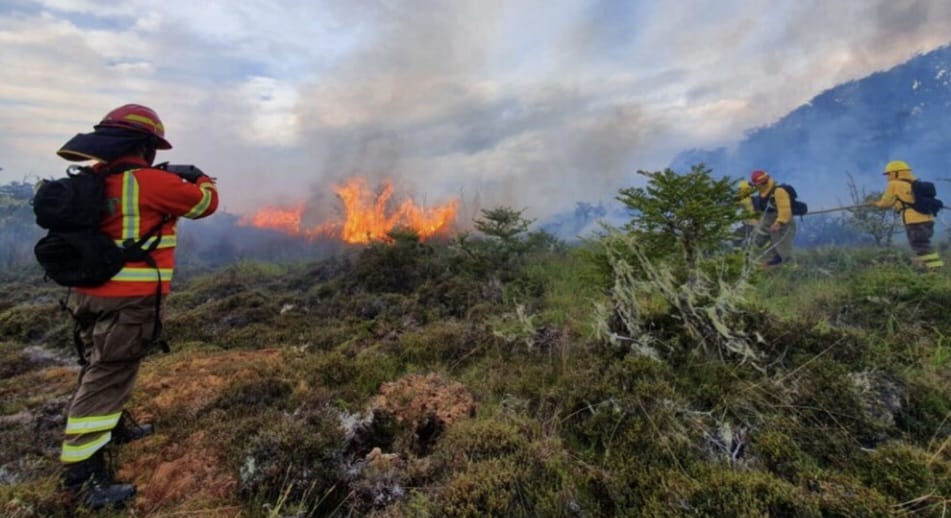
Likewise, he details that they presented to the head of state the concern within the guild regarding the high intentionality of forest fires that occur every summer season.
"Currently, intentionality is between 60% and 70% in the southern macrozone and exceeds 80% in the Malleco sector," he argues.
The Corma executive anticipates that "we are already working on preventive issues, but to face this situation, it is essential to have a good forestry law." In that direction, he considers that "the project currently being processed in Congress needs to be reviewed, because we must improve the prevention of incidents in areas such as night-time firefighting, both with ground brigades and aerial resources." He adds that the initiative should also include "the prosecution of those responsible for starting the fire, and likewise, the restoration of the areas devastated by fire, which are not currently being recovered."
Owners of small forests
Antonio Soto explains that "another central issue is helping small forest owners who have been affected both by attacks, in which their vehicles and machinery have been burned, and by forest fires."
He also adds the situation of "small sawmills that are undoubtedly struggling due to the decrease in activity."
As part of the measures that could aim at reactivating the sector, Soto proposes plans that promote domestic consumption of wood. "We need public policies that encourage the use of this resource locally, because to the extent that we have demand, the sector will achieve a new boom, driving the sector from plantations and generating a productive chain," he emphasizes.
"The idea is to stop losing people"
Regarding the elimination of jobs in the area, Soto states that "our idea is that we stop losing people" and recalls that "President Kast himself asked for this at Enela," referring to the Business Meeting of La Araucanía, held last week in Temuco. "He called on us to withstand the crisis and wait for what may come in the coming weeks. Gasoline and oil are already going down, and we hope that the reforms proposed by the Government will be approved," he says and continues: "For now, our goal is not to lay off anyone else. And the commitment is that, as soon as things are sorted out, we can recover all the workforce we have lost."
Source:El Mercurio



Comments (0)
No comments yet. Be the first to comment!
Leave a comment