

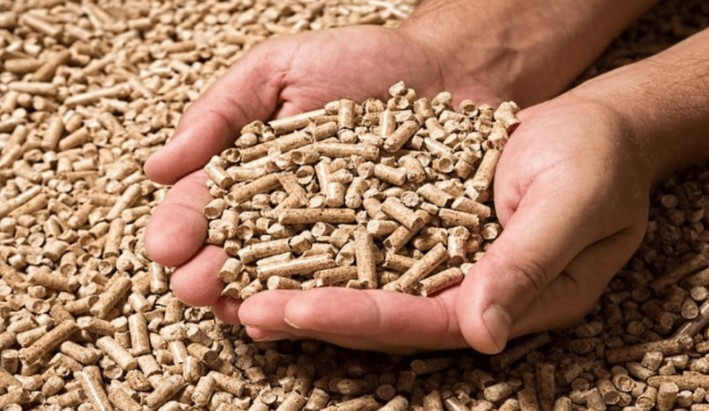
The commune of La Unión is moving towards a strategic role within the Chilean pellet industry with the start-up of a modern production plant located in the Rapaco sector. The project, developed by Ardemax de Chilepanel, has already begun its trial run phase and is shaping up to be one of the most significant investments in the solid biofuels sector in southern Chile.
The first production lines are already operational, and the company plans to manufacture more than 4,000 tons of pellet before the end of this year, as part of the plant's adjustment and optimization process.
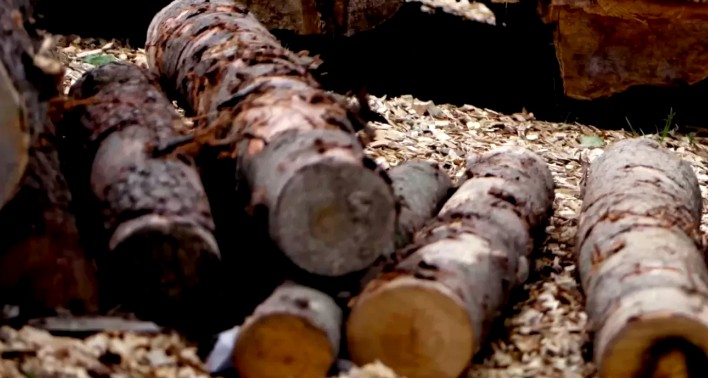
The facilities incorporate an integrated production system that includes the processing of green wood, its industrial drying, and subsequent pellet manufacturing, allowing for optimized efficiency and ensuring a high-quality product destined for the national market.
The company's projections indicate that, starting in March 2027, the plant will reach its full operating regime, with production close to 10,000 tons per month, equivalent to approximately 120,000 tons per year.
This volume would make the Rapaco plant one of the largest pellet production complexes in South America. The Regional Minister of Energy for Los Ríos, Juan Taladriz, highlighted the scope of the initiative and noted that its production capacity would position it among the most important on the continent.
"We are talking about 120,000 tons per year. I understand that in Brazil there may be one more or less similar or slightly larger, but the standard of this one, due to the quality and volume, places it as the second largest in South America," the authority stated.
The official inauguration of the plant is scheduled for October, and its production will be primarily focused on supplying the growing demand for pellet in the Los Ríos and Los Lagos regions, where this biofuel has gained prominence as a more efficient heating alternative with lower emissions.
The project's impact will also be significant at the national level. Currently, Chile has an installed capacity close to 547,000 tons of pellet per year, so the 120,000 tons that the Rapaco plant will contribute represent around 22% of the country's production, strengthening the supply of this renewable fuel and consolidating La Unión as a new benchmark for the Chilean forestry and energy industry.




Comments (0)
No comments yet. Be the first to comment!
Leave a comment