

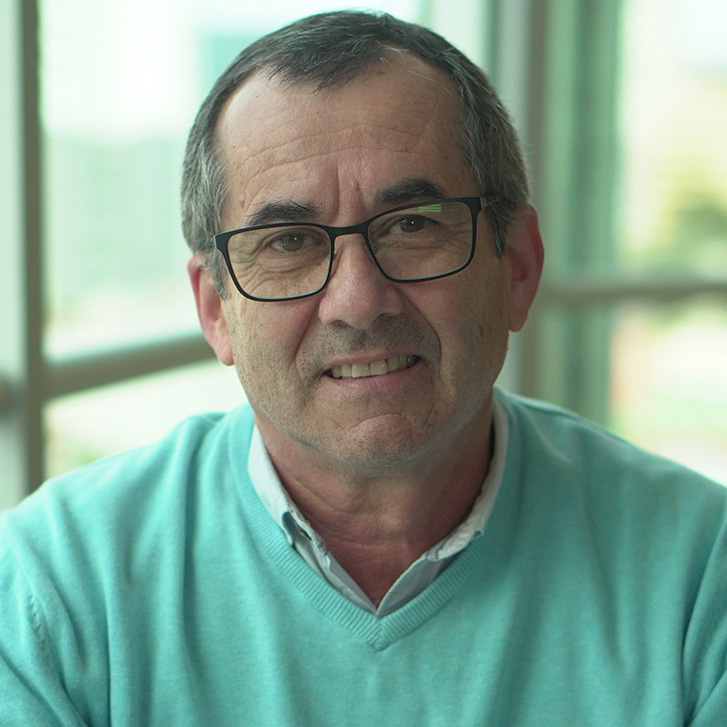
By René Muñoz Klock, manager of Acoforag and member of Futuro Madera
The national public opinion usually learns about the problems of the forestry sector when flames consume thousands of hectares in the summer or when a business group announces adjustments at its plants. However, behind the big corporate headlines, there is a much more silent, everyday, and dramatic reality: that of the small and medium-sized contractor companies and the thousands of families of workers who, in southern Chile, see their livelihood vanish amid armed violence and total state neglect.
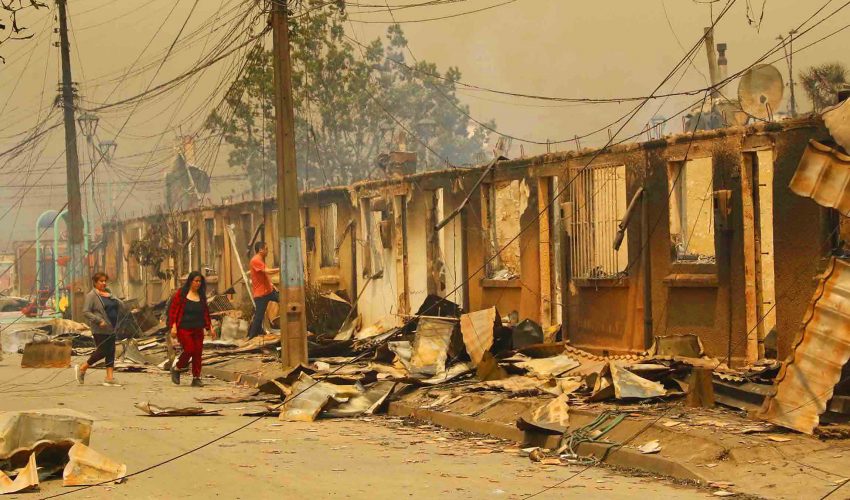
What we are facing today in the macro-zone of the south is not a passing turbulence; it is a structural crisis that we have been dragging on for decades, triggered by almost 30 years of violent attacks, intentional fires, and a total loss of legal certainty.
The symptoms are visible to everyone: mass layoffs, work stoppages, and an atmosphere of insecurity that makes operations unviable. We forestry contractors have become the most battered productive sector in the country, adding up more than 520 arson attacks in the last 13 years. This relentless targeting has already caused about 80 contractor companies to disappear and has destroyed nearly 4,000 direct formal jobs.
We are talking about thousands of families left adrift because the minimum conditions to work in peace have simply vanished.
This "perfect storm" is now fueled by a harsh economic reality: lower timber prices and a collapse in international markets. According to figures from the Forestry Institute (Infor), in just the first five months of this 2026, timber exports decreased by 15.4%.
Faced with the lack of guarantees and violence, the creation of new forests has ceased. We went from planting nearly 40,000 hectares annually in the 2000s to the alarming figure of barely 1,800 hectares recently. How is regional development supposed to be sustained or the country's environmental goals met if the most sustainable activity in southern Chile is left to die?
This crisis has already overflowed the sectoral level and has turned into a latent social emergency. This has been understood by local authorities, such as the mayors of Quilaco and Mulchén in the province of Bío Bío, who are now urgently calling for government measures and public-private partnerships to stop the unemployment that plagues their communities.
While we value the recent meeting we held with President Kast in La Araucanía, we emphasize that these spaces for dialogue must translate into immediate actions. We need a present State with effective public security measures: maintain states of exception, provide the Armed Forces with legal tools such as the Critical Infrastructure Law, Rules on the Use of Force, and support for identity checks. Additionally, the State must activate a robust public investment plan and state support for small entrepreneurs who have lost everything after attacks on their movable property and machinery.
The forestry crisis has ceased to be a technical or production problem; it is a national priority. We demand the right to work in peace, to travel freely on the roads of this country, and to defend the future of the 300,000 families that depend on this sector.
The time for promises has reached its limit. The survival of our sector is a national priority that demands tangible guarantees. We hope that the urgency we convey today translates into concrete actions before the silence of our operations becomes permanent for all of southern Chile.
Column inBiobioChile



Comments (0)
No comments yet. Be the first to comment!
Leave a comment