


Ignacio Vera Izquierdo, general manager of Forestal Santa Blanca
The Chilean forestry industry is going through a situation that leaves no room for euphemisms: exports have plummeted 15% in the last year, dragged down by the application of the European Union Deforestation Regulation (EUDR) and by the recent decision of the United States to raise tariffs on higher value-added products. The blow is double and threatens to dismantle a sector that has been a driver of rural employment and regional competitiveness.
Europe demands stricter traceability and environmental certifications. This is not a bureaucratic whim, but rather an irreversible trend: markets demand credibility and robust international standards. The immediate consequence has been the retention of shipments and the closure of sawmills in Biobío and Maule, with social effects that go beyond export figures. Chilean timber must prove that it comes from responsible management, and the only way is to accelerate the consolidation of seals such as FSC and ISO standards that guarantee sustainability.
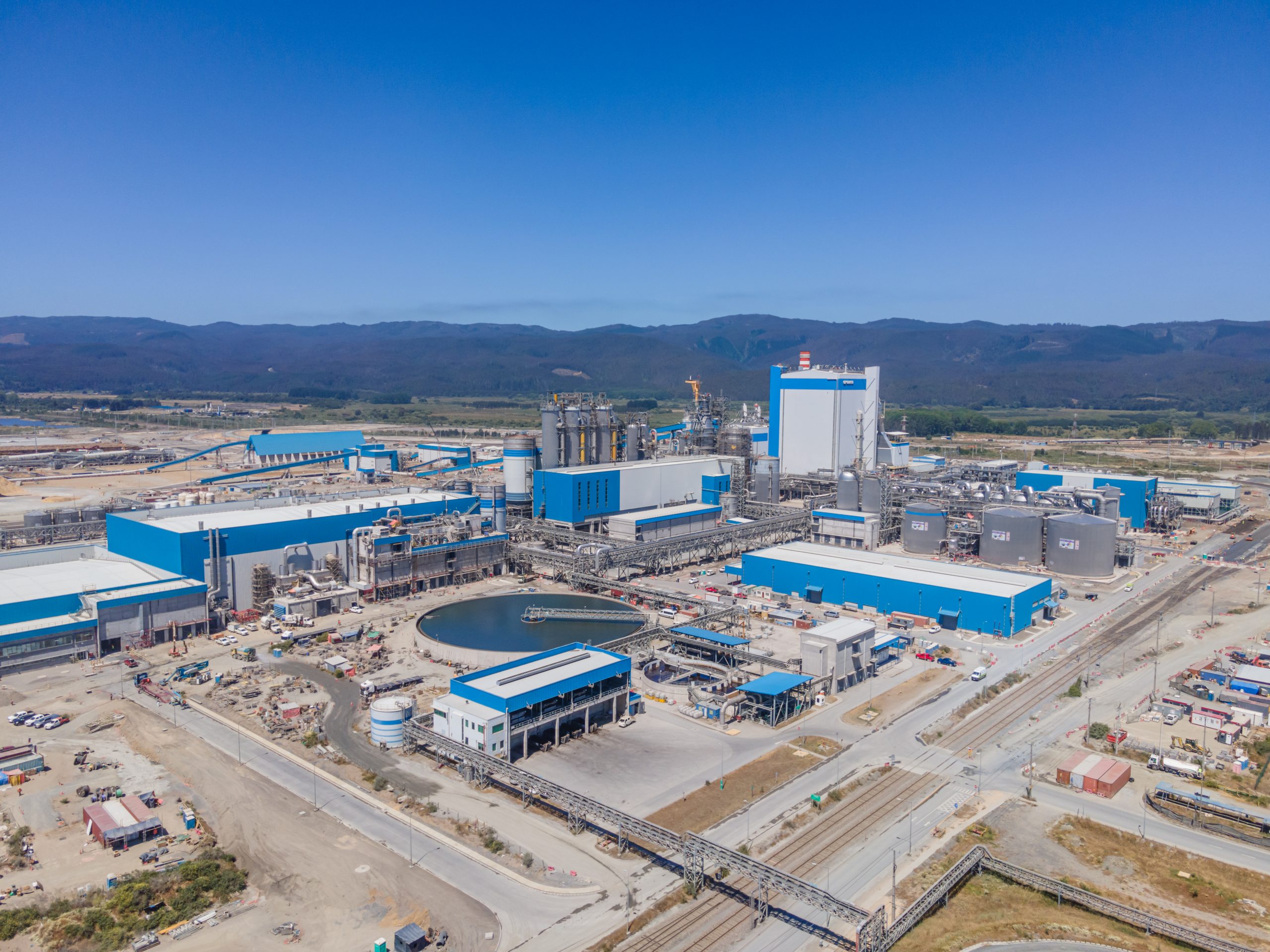
In parallel, the United States introduces tariff uncertainty on goods that do not compete with its local production—moldings, pruned timber, plywood panels—restricting margins and putting pressure on both SMEs and giants like Arauco, which generate thousands of jobs and more than US$2 billion in sales in that market. The paradox is evident: a sector that complements, rather than substitutes, the U.S. supply is being penalized.
What to do in this scenario? Three paths urgently stand out:
• Diversify markets: Asia and the Middle East are not distant promises, but concrete destinations. The Philippines, Indonesia, Bangladesh, and India require "ant-like work" strategies, with sustained presence and cultural adaptation.
• Strengthen certifications: consolidating international standards not only opens doors in Europe, but also builds trust in emerging markets.
• Negotiate conditions: The Ministry of Foreign Affairs and SUBREI must deploy solid arguments to exclude Chilean forest products from the tariff increase in the U.S., defending employment and regional development.
The current crisis is also an opportunity. Chile can reposition its timber as a sustainable, certified, and competitive product, capable of conquering new markets while defending a fair tariff framework in international forums. The dilemma is clear: either the challenge is taken on with strategic vision, or there is a risk of losing a leadership that took decades to build.





Comments (0)
No comments yet. Be the first to comment!
Leave a comment