

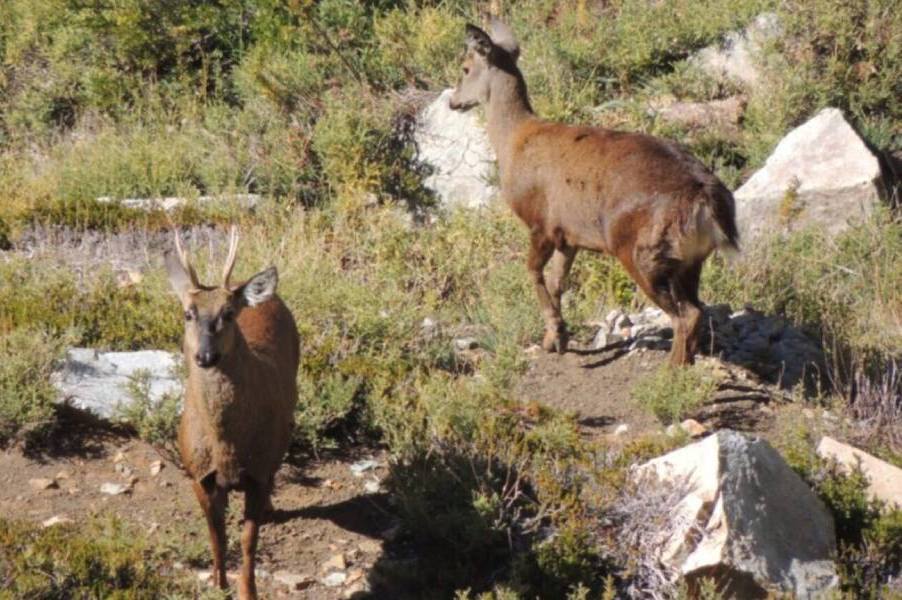
The formation of the Participatory Territorial Table of the Los Huemules del Niblinto National Reserve materialized last Friday, August 7, in the Minas del Prado sector, in Coihueco, with the participation of local residents, public institutions, and other actors in the territory, initiating a process that seeks to later advance toward the establishment of the Consultative Council for this protected area.
The Regional Minister of the Environment of Ñuble, Angélica Cuevas Palominos, highlighted that this process will allow for the active incorporation of communities in the protection of the reserve. "This table represents an opportunity to link citizens, institutions, and the various actors in the territory in the care of the Los Huemules del Niblinto National Reserve. We want to move toward participatory governance that strengthens its conservation and, subsequently, establishes its Consultative Council, in line with strengthening work with communities and the protection of our natural heritage," she commented.
The Los Huemules del Niblinto National Reserve covers approximately 2,000 hectares and is part of a territory of high value for biodiversity conservation, particularly because it constitutes habitat for the huemul and due to the richness of species present in the area.
The Regional Director of Conaf Ñuble, Domingo González, highlighted the role of communities in the administration of protected areas. "The conservation and management of these units must be carried out together with the communities that have historically been linked to these territories. Their knowledge and contributions are fundamental to protecting a reserve that possesses significant flora and fauna richness," he stated.
The formation of this table also takes place in the context of the transfer process of protected areas from Conaf to the Biodiversity and Protected Areas Service, an agency that will assume their administration starting in March 2027.
The Acting Director of SBAP Ñuble, Nicolás Gatica, stated that "work with communities will be fundamental in this new stage of protected area management. Having the knowledge and participation of local actors will strengthen the administration of the reserve, contribute to updating its management plan, and reinforce the protection of regional biodiversity."





Comments (0)
No comments yet. Be the first to comment!
Leave a comment