

For decades, raulí has been recognized as one of Chile's most valuable native species due to the quality of its wood and its high commercial value. However, its productive development presents significant challenges: it has a limited geographic distribution, requires specific site conditions, and its flowering is highly irregular, which makes consistent seed production difficult.
With the aim of expanding the productive potential of the Chilean native forest, and particularly that of raulí, researchers from the Faculty of Forest Sciences and Natural Resources at the Universidad Austral de Chile (UACh) developed vegetative propagation systems that allowed the operational scaling of genetic material from this species. These same technologies have been adapted to project a new alternative based on the raulí x roble hybrid and to advance toward its massification with different productive and environmental objectives.
"The development of hybrids is extremely interesting because it allows for a virtuous combination of attributes that cannot be achieved with pure species," explains Dr. Fernando Droppelmann F., executive director of the Forest Genetic Improvement Cooperative (CMGF), former UACh academic, and leader of this research line.
The researcher highlights that the current work is the result of decades of accumulated knowledge in forest genetic improvement. "Everything we have been able to do over these years is the product of work previously developed on radiata pine and eucalyptus. If that development had not existed, everything we are doing today with these raulí x roble hybrids would not even be close to becoming a reality," he states.
Since 2010, the team has developed vegetative propagation technologies and controlled crosses that have made it possible to advance significantly in the genetic improvement of raulí and, more recently, in the study of these natural hybrids.
Genetic potential
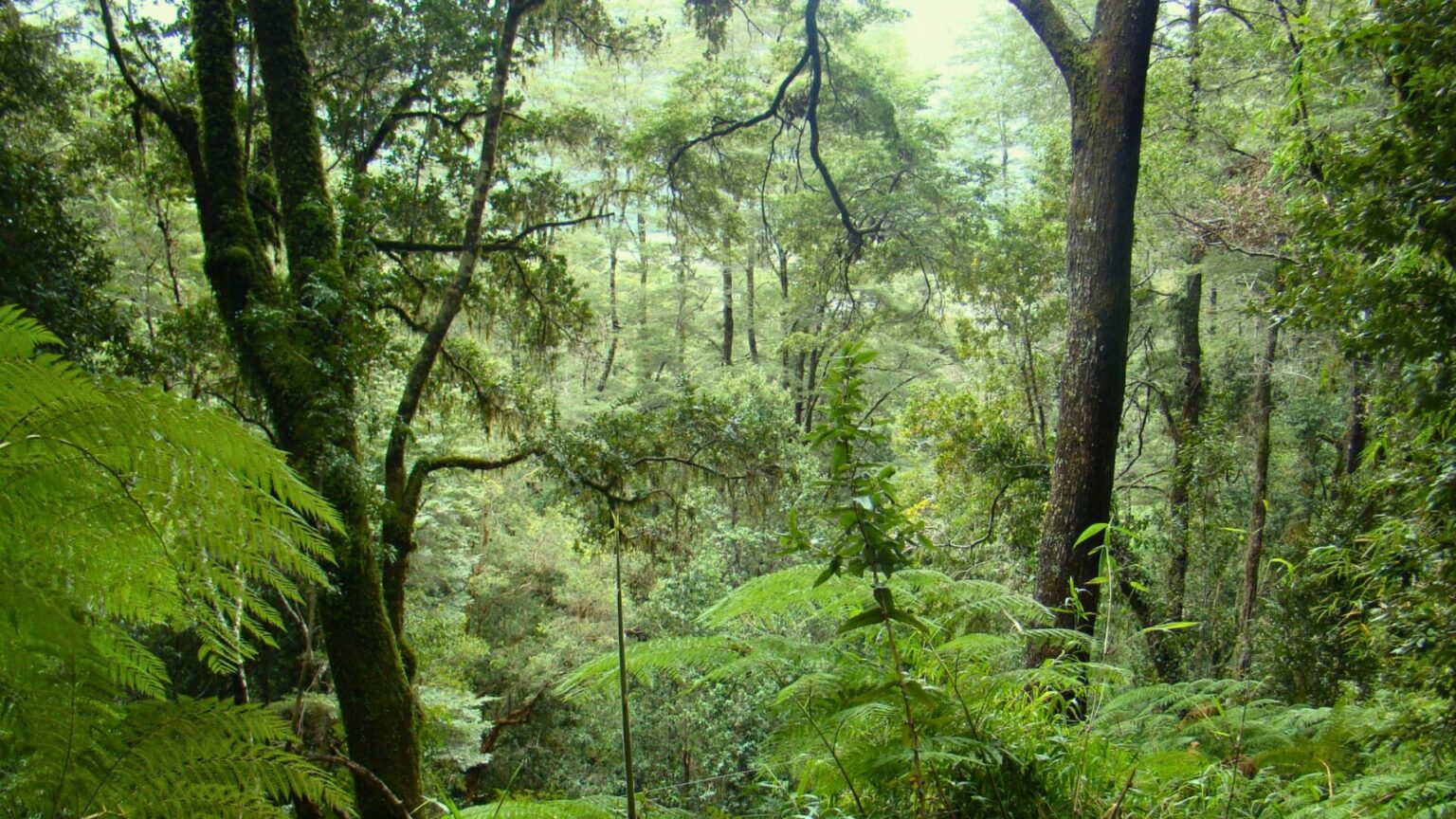
Unlike other innovations in the forestry sector, this hybrid is not a species artificially created in a laboratory. Its origin is completely natural and occurs in sites where raulí and roble coexist in the forests of the Andes Mountain Range and, in some more restricted areas, of the Coastal Mountain Range.
When individuals of both species coincide in their flowering periods, natural crosses occur that give rise to hybrid specimens.
The researchers identified these hybrids by observing raulí individuals in the nursery with considerably superior growth to what was expected. Additionally, these plants exhibited traits from both species and, in some cases, intermediate characteristics compared to pure specimens.
Subsequently, the team managed to reproduce these hybrids through controlled crosses, isolating raulí flowers and applying roble pollen from outstanding trees of both species.
The characteristics of these hybrids are particularly attractive from both a productive and environmental standpoint.
"Roble has a much broader territorial distribution and an excellent growth rate, while raulí contributes better form, good health, and exceptional wood," notes the academic.
The combination of these attributes could allow the establishment of plantations in sites where raulí currently presents certain limitations. Likewise, it can contribute to the productive recovery of degraded areas of the native forest and expand alternatives for the sustainable management of native species.
Future outlook
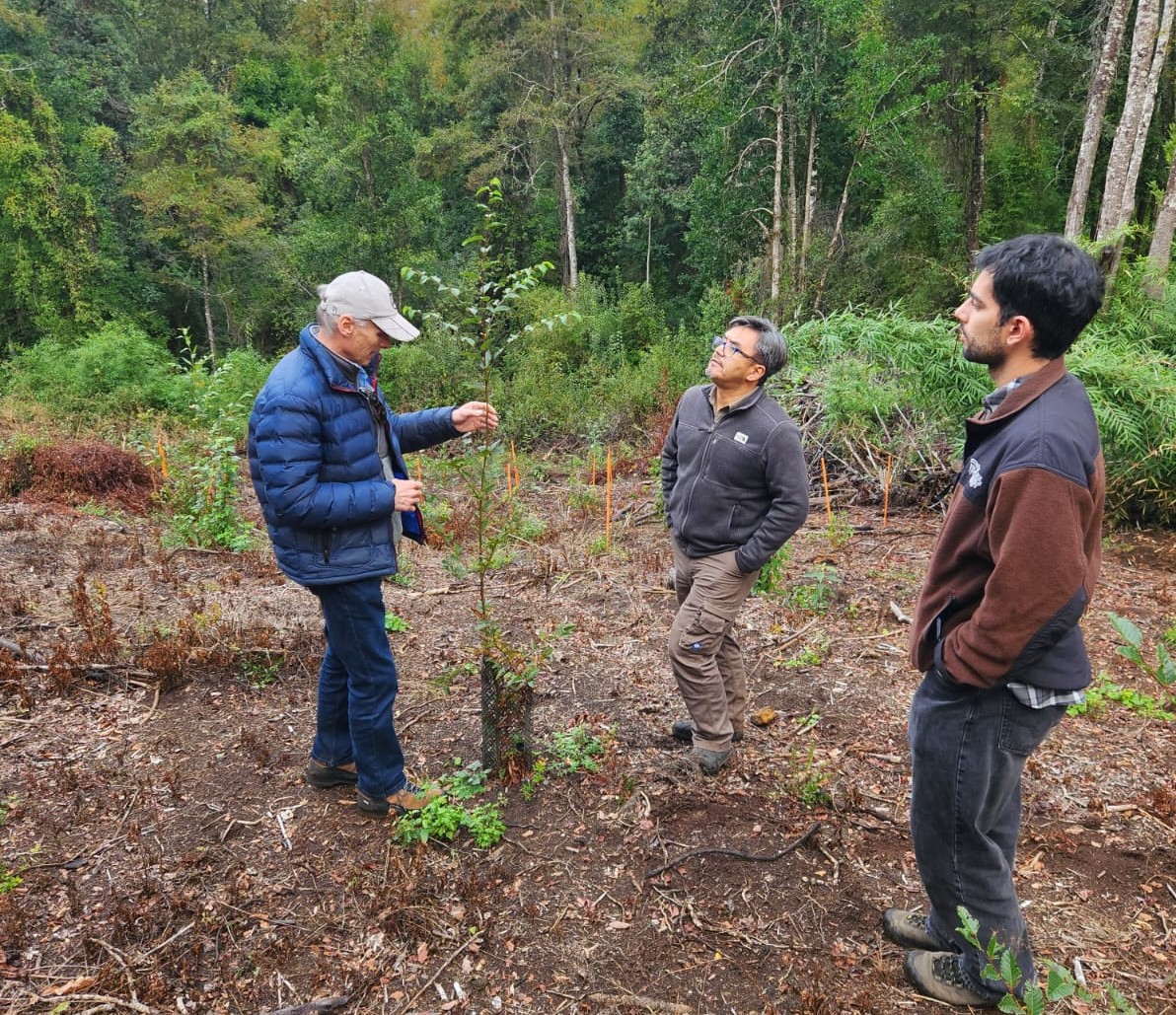
The advances achieved in recent years are especially encouraging. Currently, the development program has more than 500 hybrid clones or varieties under field evaluation, distributed across trials established between Mulchén and southern Valdivia. Furthermore, numerous materials continue to be developed in the nursery to be validated in the field over the coming years.
The first results show growth rates higher than expected for native species.
"That many hybrids reach 6 meters between 4 and 5 years is quite remarkable. We have already recorded this in the first planted trials, but in more recent evaluations some materials exceeded 2 meters in height in just 5 months of growth —corresponding to a planting carried out in September 2025 and measured in February 2026—. We are observing surprising growth rates when good genetic material is combined with intensive silviculture during establishment and initial maintenance. What we see is enormous potential; the big question is how far it can go. We are convinced that a real new forestry option is emerging, with a rotation period close to 25 years," comments Droppelmann.
Another relevant aspect is the industrial potential of the material. Raulí wood is highly valued for its excellent technological properties and its ease of industrial processing. In this context, hybrids that combine the best of both species will allow the development of forests with significant economic value.
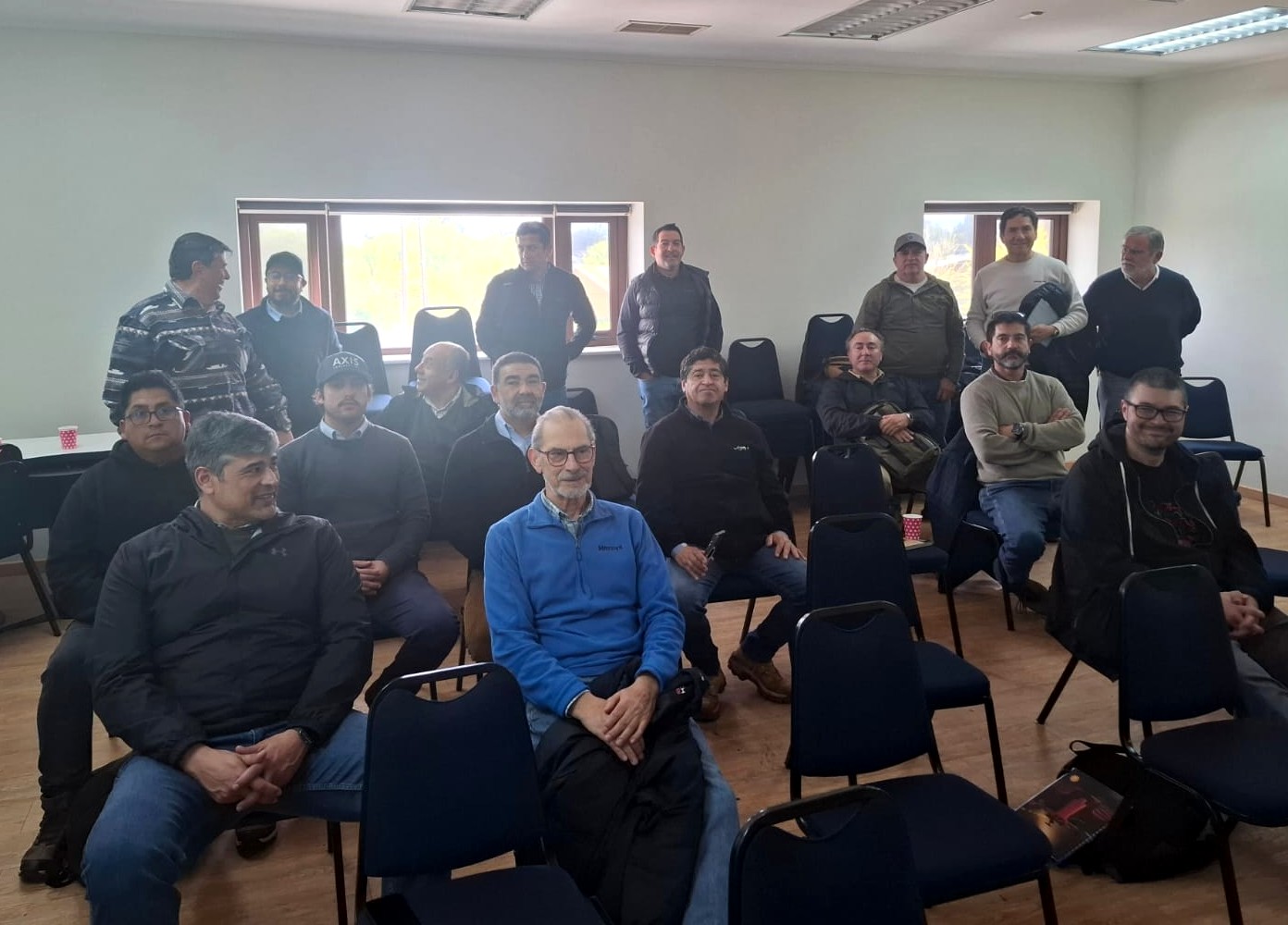
The development of this hybrid also reflects the collaborative work promoted by the CMGF, which brings together the UACh, public institutions, forest companies, and private nurseries to drive applied research, development, and innovation aimed at generating new forestry alternatives for the country.
"The mission is to make these alternatives available to the entire country, so that each owner can decide which species is most suitable for their site conditions and their productive or environmental objectives," maintains the researcher.
In a scenario marked by climate change and the need to diversify forestry options, this hybrid can become an effective tool to combine productivity, territorial adaptation, and conservation of Chile's forest heritage.
It is important to note that this hybrid development has been possible thanks to funding from the Foundation for Agrarian Innovation (FIA), the Regional Government of Los Ríos, through the Regional Productive Development Corporation; the National Forest Corporation (CONAF); and the CMGF together with its associated forest companies and nurseries.
At Acoforag, we value this type of progress, which allows us to project a more diverse and sustainable future for the forestry sector, highlighting the contribution of science and innovation in the development of new alternatives for the native forest and for those who work day after day in the country's forest territories.



Comments (0)
No comments yet. Be the first to comment!
Leave a comment