

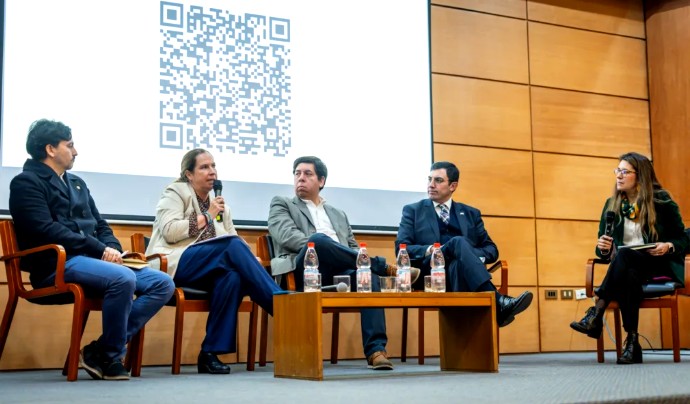
Socio-natural disasters do not end where the physical damage occurs. Their effects can spread through productive chains, affect employment, supply, and production in other sectors, and generate economic impacts significantly greater than the initial losses. This was one of the main conclusions of the seminar 'Economic impacts of disasters on productive sectors: lessons from the forestry sector,' organized by the Institute for Disaster Resilience (Itrend) and the University of Concepción, with the support of the Sustainable Productive Development Program of the Ministry of Economy.
The event brought together representatives from the public sector, academia, companies, and industry associations linked to forestry activity, with the aim of sharing the results of the study developed by Itrend and analyzing, from the industry's experience, opportunities to strengthen prevention and resilience in one of the country's strategic productive sectors.
The study was funded by the Sustainable Productive Development program and used risk and economic propagation models to estimate both direct losses and the effects that a disaster can generate on other sectors.
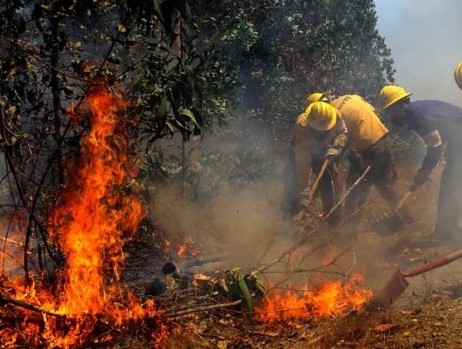
According to the latest estimates from the study conducted by Itrend, the Biobío region suffers, on average, a direct annual loss of $49 billion pesos due to forest fires.
The results show that this direct loss impacts other sectors of the economy as a result of productive linkages, generating an average total annual loss of $77 billion in gross production at the national level, implying an amplification factor of 1.6.
For Catalina Fortuño Jara, executive director of Itrend, one of the main lessons of the project is that risk management must stop being addressed in isolation and begin to be incorporated as a strategic dimension of economic and productive decisions, both from the State and from industry.
"Disasters are not just an emergency we must respond to when they occur. They are also an economic risk that we must be able to anticipate, measure, and manage. We need to move toward permanent capacities that allow the State to make risk-informed decisions and enable productive sectors to incorporate this information into their investment, financing, insurance, and operational decisions," said Fortuño.
Building the models required information on exposed value and the characteristics of productive activity, complementing public sources with data provided by companies in the sector. This process included strategic roundtables and technical meetings with Forestal Arauco, Empresas CMPC, and the Chilean Timber Corporation (CORMA).
The first two presented their experience in prevention and protection against forest fires through presentations by their representatives. Subsequently, a discussion space was opened with representatives from academia, CORMA, small and medium-sized enterprises, and the regional ministerial secretariat of Economy of Biobío.
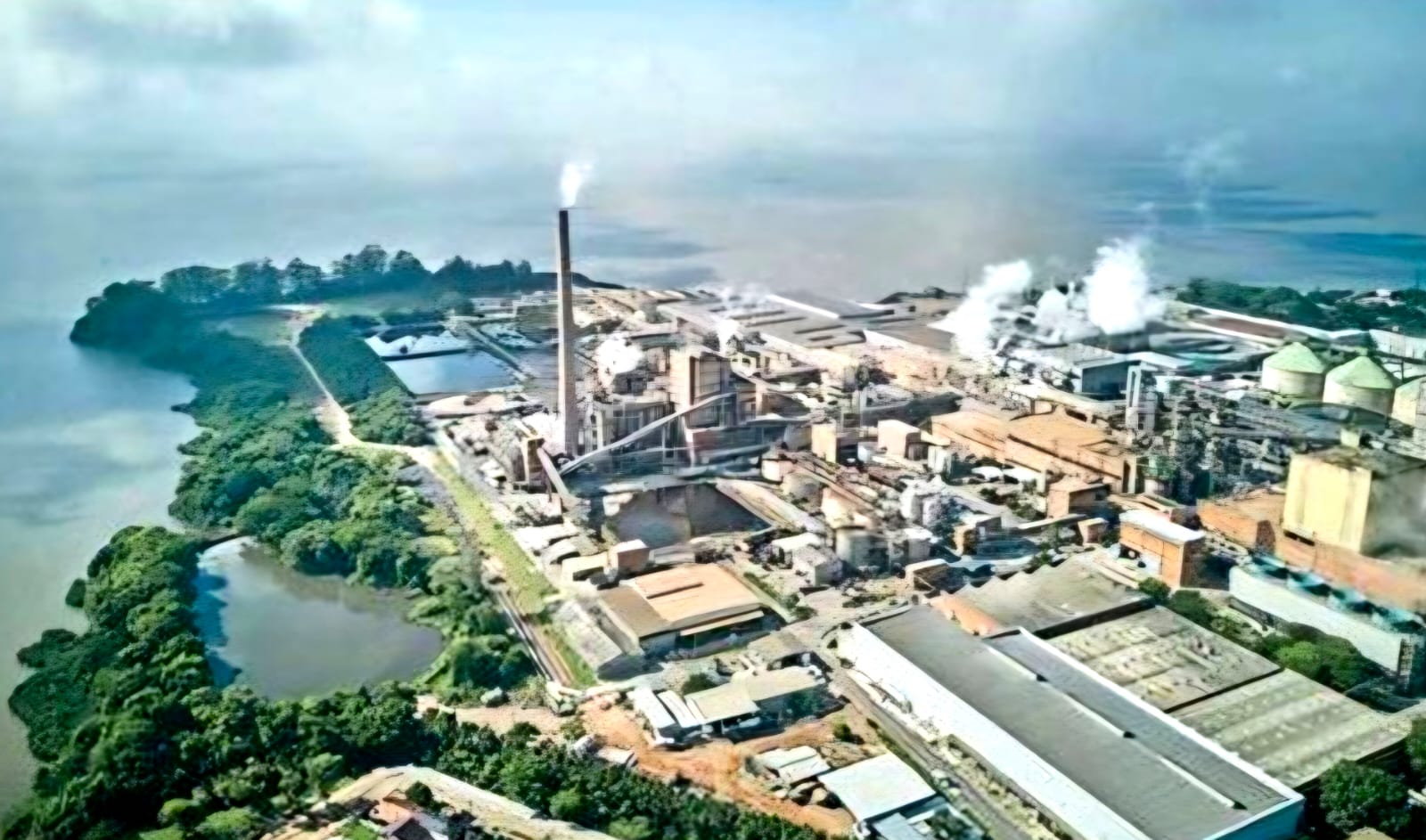
The forestry sector constitutes a particularly relevant case due to its high level of productive linkages. The activity represents about 1.6% of GDP and generates more than 100,000 direct jobs, while its chain connects primary production, industrial processing, and product marketing, also linking with other sectors of the economy.
From the University of Concepción, the Vice-Rector for Research and Development, Claudia Ulloa Tesser, valued that applied research can be transformed into tools to address the country's concrete challenges.
"The generation of knowledge acquires its full value when we are able to connect it with the real needs of the territory and productive sectors. This project demonstrates that collaboration between university, State, and industry makes it possible to produce evidence that can contribute directly to improving decisions and strengthening our capacities in the face of disasters," she stated.
For Gonzalo Villanueva González, head of the Sustainable Productive Development Division of the Ministry of Economy, advancing productive resilience requires incorporating risk as part of development decisions. "The question we are interested in addressing is not only how much a productive sector can lose in the face of a disaster, but also what we can do to reduce these losses, where we should prioritize investments, what technologies or capacities we need to develop, how we can improve territorial planning and, ultimately, how we make our productive activities more prepared and more resilient," said Villanueva.
The study conducted by the Institute began in 2025 to assess the impact of earthquakes, floods, and fires on the forestry productive sector in the Maule and Biobío regions. In February 2026, the project was renewed for one more year, increasing its coverage both in analysis and expected results. Along with the forestry sector, it was requested to evaluate the risk and economic impact of the wine sector. The expansion also considers the incorporation of two new regions, O'Higgins and Ñuble, and a fourth hazard of extreme temperatures.
Along with the risk and economic impact analysis, the work aims to provide public policy recommendations that allow the State to make informed decisions regarding disaster risk, conduct a cost-benefit evaluation of measures for disaster risk reduction. The final results along with the recommendations will be released in early 2027 on the Itrend website.




Comments (0)
No comments yet. Be the first to comment!
Leave a comment