

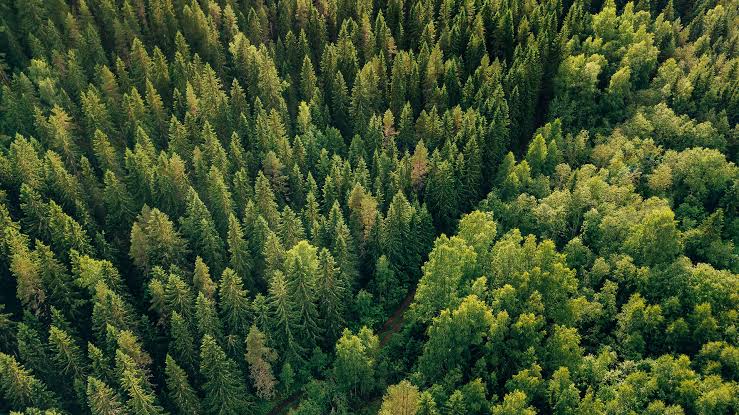
Forestal Arauco completed a transaction worth US$216.5 million plus VAT that changes the ownership structure of a significant portion of the forestry assets in the Valdivia area, in the Los Ríos Region.
The transaction covers the eucalyptus plantations existing on 561 forest properties, which together span approximately 29,458 hectares. However, the deal does not include the sale of the land: Forestal Arauco will remain the owner of the properties, while the acquiring company will take control of the plantations.
It is, therefore, a transfer of what is known as the "forest crop," a concept used in the industry to refer to standing trees, distinguishing them from the land on which they are established.
The purchase agreement was signed with a Chilean company controlled by a forestry investment fund whose contributors are institutional investors. The transaction takes place in a context of growing participation by investment funds in forestry assets and the search for new structures to finance long-term projects.
Resources for international expansion
The sale is linked to the financial strategy of Arauco, a company belonging to Empresas Copec, to generate resources earmarked for strengthening its financial position and supporting its international expansion.
One of the main projects the company faces is Sucuriú, in Brazil, an initiative aimed at pulp production and involving an investment of close to US$4.6 billion.
In this scenario, the divestment of forestry assets in Chile allows Arauco to convert part of its forestry holdings into liquidity, while at the same time retaining ownership of the land involved.
A transaction with long-term effects
From a territorial standpoint, the transaction does not entail an immediate increase in harvesting activities. According to information provided by Conaf in Los Ríos, the plantations involved would still have several years before reaching an exploitation stage, with an estimated horizon of eight to ten years.
Therefore, in the short term, no significant increase associated with harvesting, timber transport, or forestry operations would be anticipated as a direct result of this transaction.
When the time comes to intervene in the plantations, operations must comply with current forestry regulations and the respective management plans, matters that fall under Conaf's oversight.
Beyond its immediate effects, the sale introduces a new player into the forestry assets of Valdivia province. For the local business sector, the continuity of productive plantations opens up opportunities to strengthen services, transport, lodging, food, and other sectors linked to forestry activity.
The transaction also highlights a trend that has gained greater presence in the sector: the participation of institutional investors in long-term forestry assets, separating in certain structures the ownership of the land from the ownership of the forestry resources established on it.



Comments (0)
No comments yet. Be the first to comment!
Leave a comment