

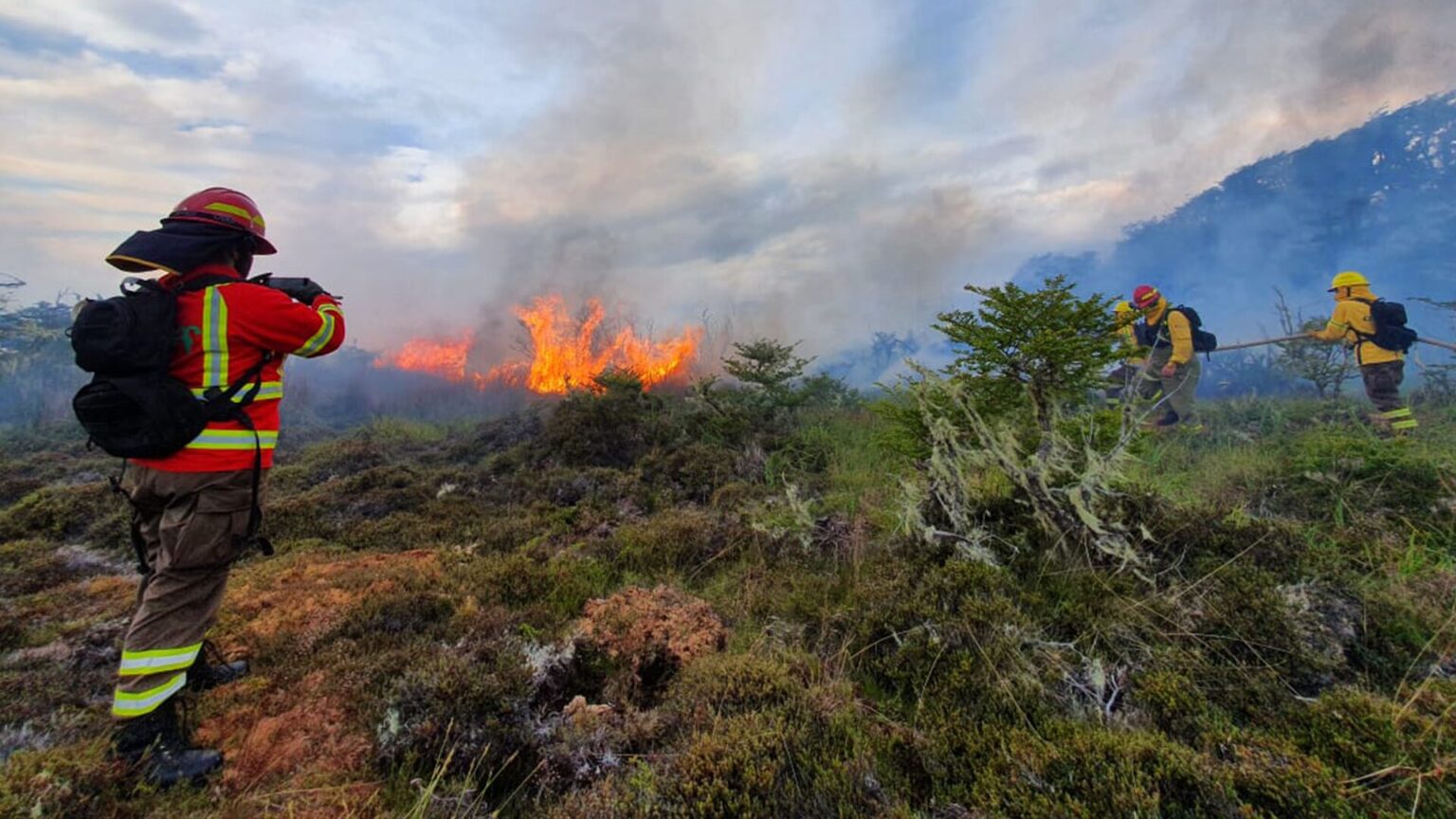
With the aim of addressing the risks of the 2026-2027 forest fire season, a protection plan was presented that combines preventive education, surveillance, and the deployment of human and technical resources. The strategy seeks to anticipate complex scenarios, marked by rising temperatures and conditions that can favor the spread of fire.
One of the main pillars will be prevention in educational communities. The initiative includes training on the dangers of fire, the construction of firebreaks, and the reduction of vegetation that could facilitate the spread of flames. The purpose is to promote a culture of prevention from an early age and prepare communities before the period of greatest risk.
In terms of surveillance, the National Forestry Corporation (Conaf) will have 40 observation towers, 15 fixed posts, and 340 tele-surveillance cameras, along with coordination centers operating 24 hours a day. The deployment also includes drones and 26 night brigades between the Coquimbo and Magallanes regions.
For firefighting, Conaf will have 319 specialized brigades, made up of 3,778 brigade members, in addition to 77 aircraft and machinery to respond to emergencies. The air fleet includes tanker planes, coordination and observation aircraft, helicopters of different capacities, and a Large Air Tanker plane. The number of aircraft remains the same as in the 2025-2026 season.
The budget allocated to the plan will reach $166.660 billion, compared with $160.803 billion in the previous period. Likewise, the strategy incorporates more than 40 protocols and coordination agreements with public agencies, Fire Departments, and representatives of the forestry sector, in order to strengthen joint work in prevention and emergency response.
With these measures, the plan seeks to improve early detection, strengthen territorial preparedness, and optimize response capacity to forest fires, in a season where prevention and coordination among institutions and communities will be essential to reduce their impacts.






Comments (0)
No comments yet. Be the first to comment!
Leave a comment