

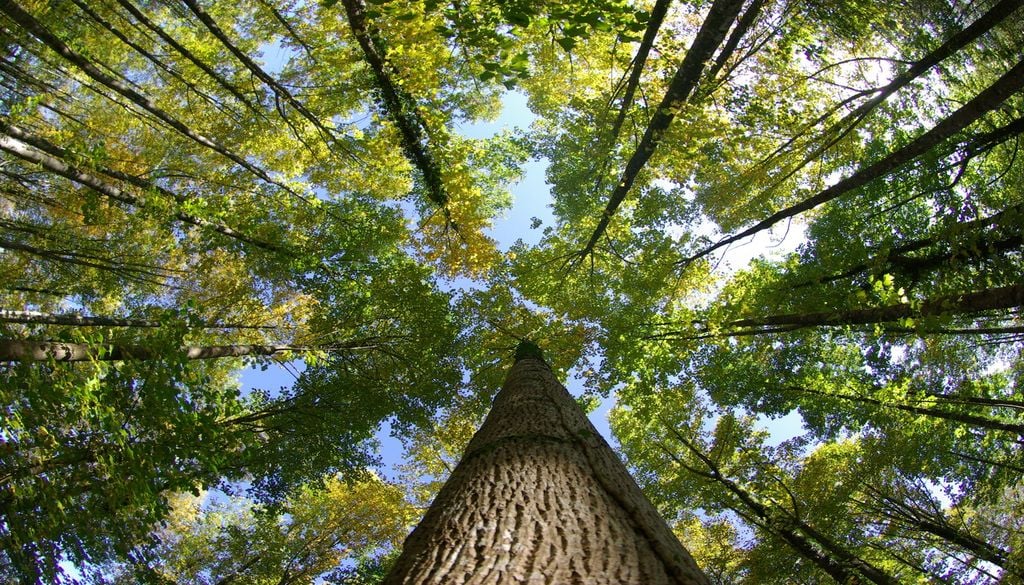
Forests, including both trees and forest soils, constitute the second largest carbon sink on the planet after oceans, explains the National Forests Office (ONF). "Until it reaches maturity, a forest mass captures CO₂, thus contributing to the reduction of greenhouse gases in the atmosphere."
To achieve carbon neutrality, it is therefore essential to ensure their preservation and regeneration. However, according to a study conducted in Sweden and published in the journal Science, forests planted by humans do not possess the same properties at all when it comes to carbon.
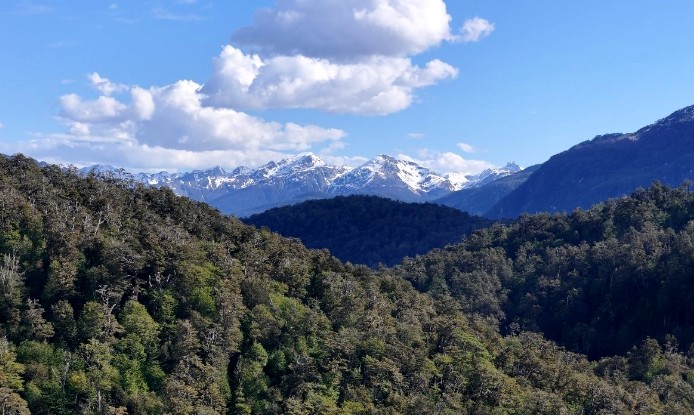
When accounting for vegetation, dead wood, woody debris, and soils, primary forests store more than 70% more carbon than secondary forests; a disparity much greater than what had been determined in previous studies.
According to scientists, it would be necessary to extract 8 billion tons of CO₂ from the atmosphere to restore the equivalent of the carbon storage provided by natural forests.
The same applies to boreal forests. During their research, scientists discovered that most of the carbon stored in boreal forests is not found in the trees themselves, but in the soil.
"In primary forests, soils retain 64% of the total carbon, compared to 30% in trees and 6% in dead wood," the study notes.
"The storage capacity lost by an old-growth or primary forest, once it has been extensively logged and exploited, cannot be easily recovered," explains Rob Jackson, one of the study's authors.
How can we ensure that reforestation fulfills its function?
Although secondary forests absorb less carbon, they remain nonetheless essential. "Our results show that protecting the few remaining primary forests has a much greater potential than previously thought."
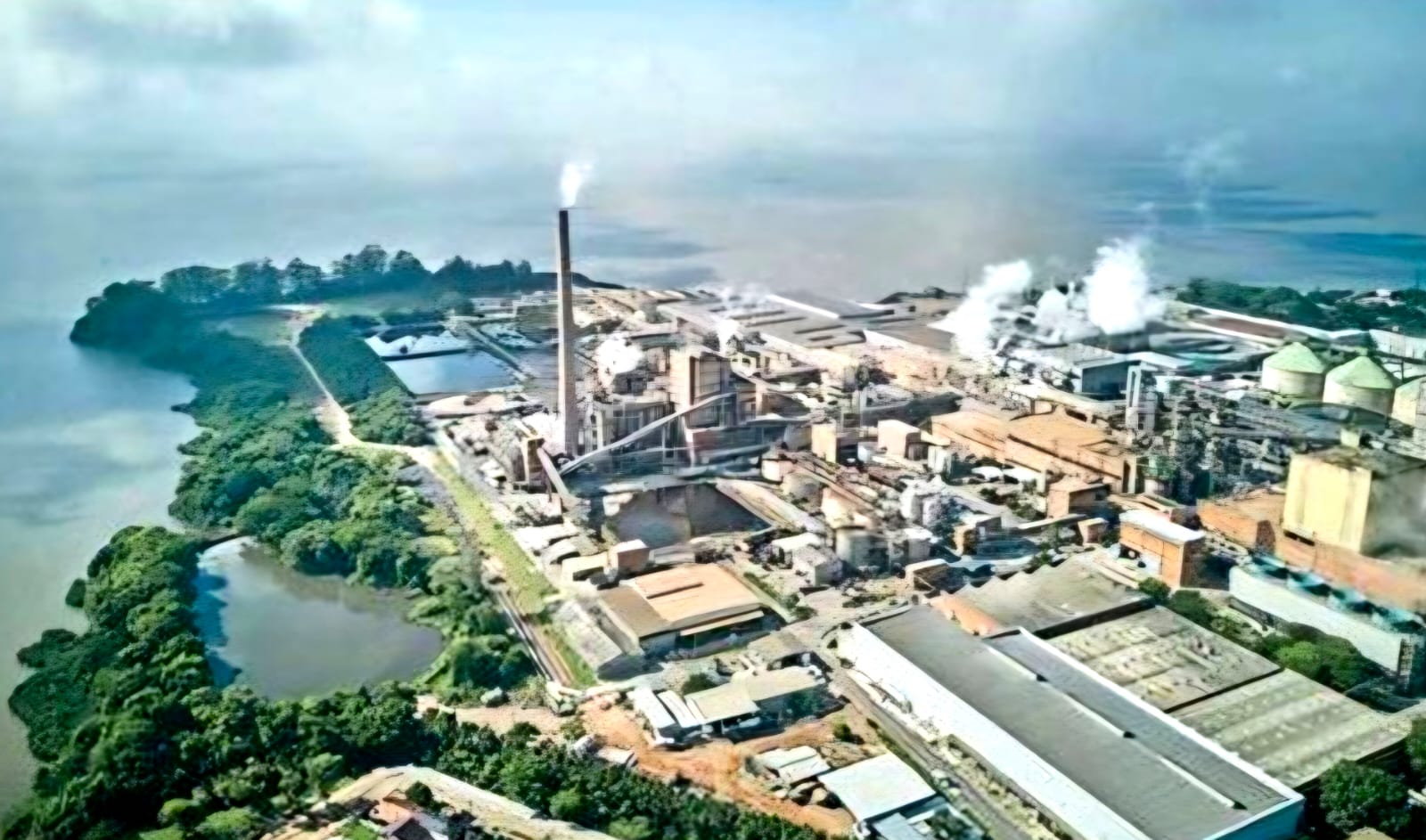
"Restoring sites degraded by industrial forestry could also boost biodiversity and allow for even more carbon storage," notes Anders Ahlström, another author of the study.
Finally, the study reveals that previous estimates have greatly underestimated the carbon cost of transforming a primary forest into a secondary forest, and that the reforestation implemented by industry for decades will not be enough to preserve the planet.
Source:Meteored



Comments (0)
No comments yet. Be the first to comment!
Leave a comment