

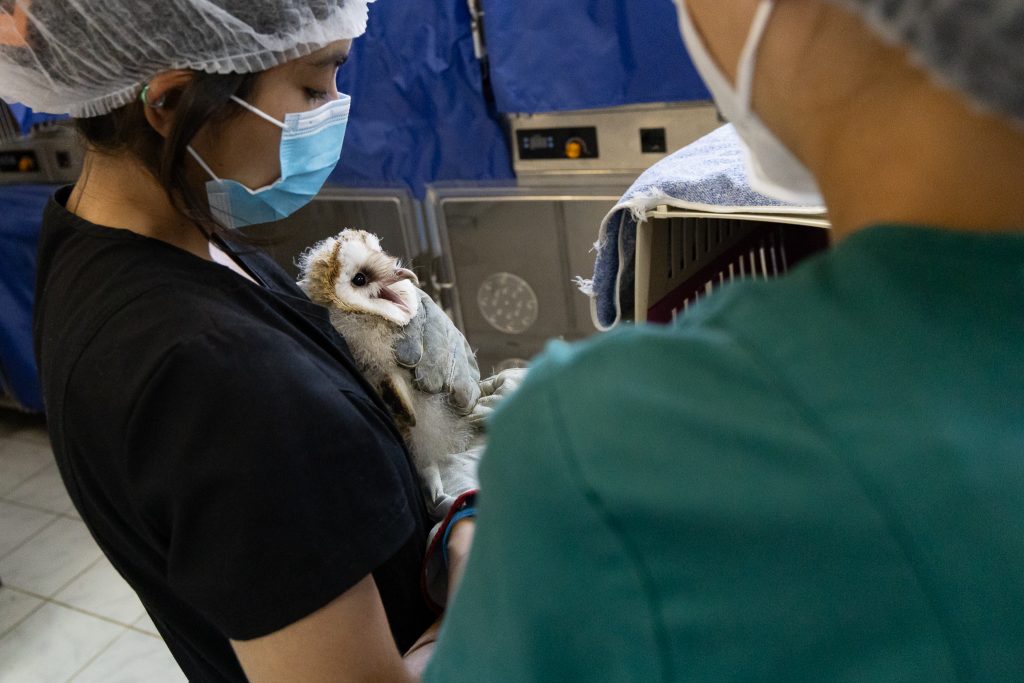
The strengthening of wildlife rehabilitation in Chile took a key step with the launch of a project funded by the Ministry of the Environment through the Environmental Protection Fund (FPA 2026), which includes an investment of $150 million to move towards a comprehensive and collaborative management model at the national level.
The initiative is executed by the Wildlife Rehabilitation and Education Center (Andes) of the University of Concepción, and aims to articulate the work of Wildlife Rehabilitation or Rescue Centers (Cerefas) throughout the country. The approach aims to strengthen their technical, operational, and coordination capacities, in a context where pressure on biodiversity has been increasing.
The director of Andes-UdeC, Paula Aravena Bustos, highlighted the historic nature of the initiative, emphasizing that it is the largest investment made by the Environmental Protection Fund in more than three decades. "This project represents a milestone and a great responsibility. We seek to strengthen the national capacity in wildlife rehabilitation and project it towards international standards, working collaboratively with technical and professional teams," she stated.
Along the same lines, the dean of the Faculty of Veterinary Sciences, Patricio Rojas Castañeda, valued the role of academia in this process. "We are honored to lead this initiative, putting our capabilities at the service of the country. We not only generate knowledge, but transform it into concrete solutions that strengthen the national standard," he affirmed.
Articulation and collaborative work for biodiversity
The Undersecretary of the Environment, José Ignacio Vial Barros, highlighted the importance of collaboration between different actors to face environmental challenges. "The State alone cannot address environmental care. This project demonstrates that articulation with universities, rehabilitation centers, and volunteers is essential to protect our biodiversity," he indicated.
Likewise, he highlighted the key role of those who work directly in the field, emphasizing that the commitment of volunteers and professionals allows for the rescue, rehabilitation, and reintroduction into their habitat of animals affected by various threats.
National strategy and international projection
The project contemplates the design of an environmental education and socio-ecological communication strategy, aimed at promoting the appreciation of biodiversity and the protection of wildlife. Among its main actions is the completion of a national and international diagnosis of the Cerefas, along with the development of management plans to optimize rehabilitation processes.
Additionally, the initiative incorporates international collaboration networks, such as the Latin American Association for Emergency and Disaster Response with Animals, with the aim of improving protocols, implementing early actions, and promoting good practices at both technical and community levels.
In this context, the regional director (acting) of the Agricultural and Livestock Service in Ñuble, Gabriel Bustos, valued the project's approach. "This initiative advances along a strategic line by proposing management plans that optimize rehabilitation processes, strengthen early actions, and standardize management criteria, always with a technical, ethical, and sanitary approach," he stated.
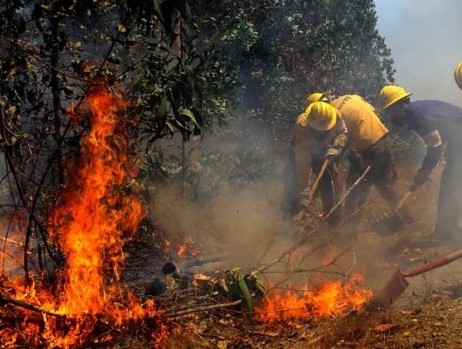
A highlight of the event was the recognition of volunteers and students who led the rehabilitation of fauna affected by the forest fires of January and February 2026, as well as the professional teams who responded to the emergency. Their work was key to rescuing and recovering impacted specimens, evidencing the importance of having strengthened and coordinated capacities at the country level.
With this initiative, Chile moves towards a more robust model for protecting its wildlife, integrating science, public management, and citizen commitment in favor of biodiversity conservation.






Comments (0)
No comments yet. Be the first to comment!
Leave a comment