

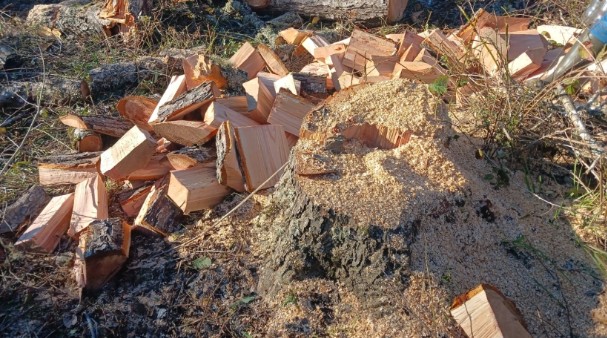
In the commune of Fresia, Llanquihue Province, Carabineros arrested three individuals accused of illegally logging a native tree without authorization from the National Forestry Corporation (Conaf). The procedure took place in the Llico sector, Parga locality, following a complaint.
First Sergeant Cristian González Sánchez, head of the Forest Patrol and Fire Prevention unit of Carabineros, reported that the subjects were caught cutting a specimen of hualle (Nothofagus obliqua), the juvenile name for Chilean oak.
Details of the arrest
The three men, aged between 25 and 60, entered a private property without being owners or having permits from Conaf. According to the police report, their intention was to obtain wood to sell it in the same sector.
"These people were accustomed to entering the property to make firewood from these logs and then sell it in the same area. They stated that it was not their property, so contact was made with the victim, who gave a statement, and these individuals were arrested," González said.
The detainees were placed at the disposal of the Public Prosecutor's Office, while background information is being gathered to determine responsibilities and potential penalties.
Importance of authorization
Sergeant González emphasized the importance of complying with the procedures required by Conaf, which include submitting a forest management plan. These measures aim to ensure that wood extraction is carried out in authorized locations and under technical criteria that prevent environmental damage.
"It is essential that those who need to carry out this type of work do so within the framework of current regulations, with authorization from Conaf, to avoid committing crimes that end in arrests," he stressed.
Illegal logging of native species such as Chilean oak not only constitutes a crime but also affects biodiversity and forest regeneration. Current forestry legislation provides for administrative, civil, and even criminal penalties for those who engage in these practices.
This case reinforces the need to strengthen oversight and environmental education in rural communities, where firewood extraction remains a common activity.




Comments (0)
No comments yet. Be the first to comment!
Leave a comment