

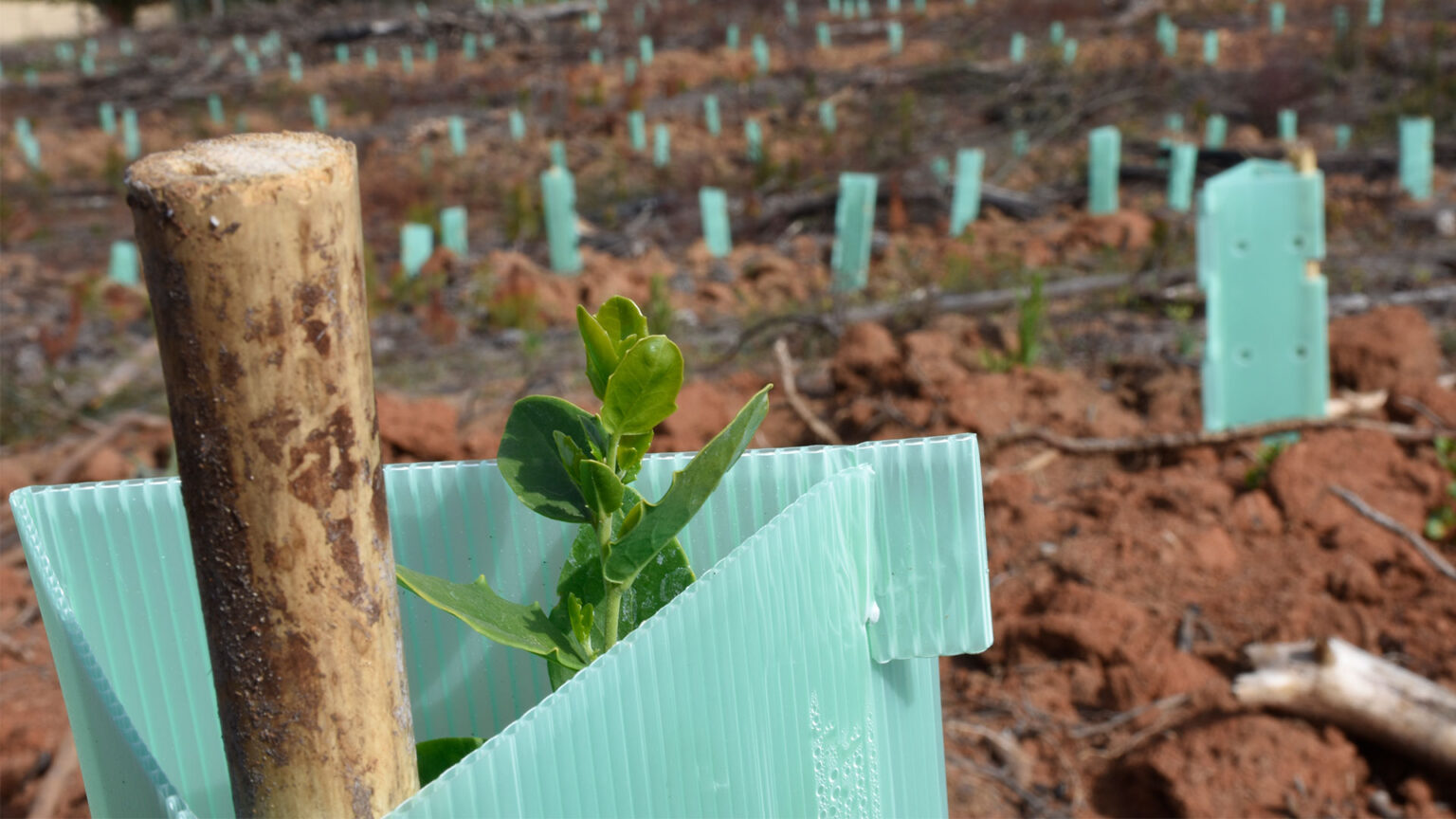
Chile today faces a troubling paradox. While the world urgently advances toward nature-based solutions to tackle climate change, our country has quietly let one of its main tools fall by the wayside: reforestation.
For over a decade, there have been no effective incentives to reforest barren lands. The result is evident and alarming. According to CONAF figures (2023), the country went from reforesting an average of 48,600 hectares annually between 2000 and 2010 to just 1,737 hectares between 2021 and 2023. This is not merely a statistical decline; it is a clear sign of neglect.
And yet, the potential remains. According to the Forestry Institute (Infor), there are nearly 1.5 million hectares of severely eroded land that could be restored. These are soils that currently produce nothing but could become a concrete opportunity for development, environmental restoration, and carbon capture. What is lacking is not land or technical knowledge. What is lacking is resolve.
Forests are neither a luxury nor a sectoral issue. They are critical natural infrastructure. They protect biodiversity, regulate water, capture carbon, and generate employment. Ignoring their value is, in effect, renouncing a sustainable development strategy.
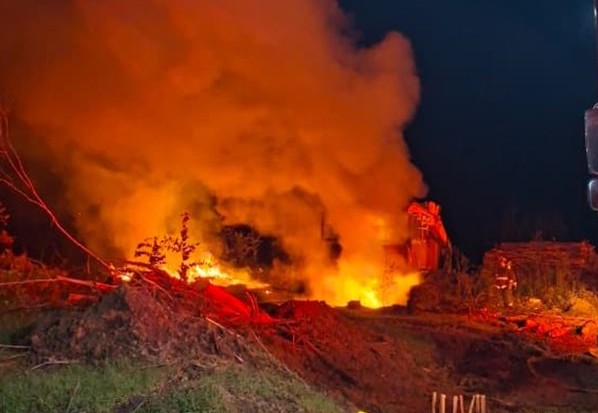
But there is an even deeper problem. The absence of promotion policies combines with a clear deterioration of security in forest areas. Violence in these territories—expressed through attacks on operations and the growing intentionality of fires—has created a climate of uncertainty that drives away investment and paralyzes new projects. Without security, development is simply not possible.
The country cannot afford to lose what has been built over more than 50 years of forestry work. Regaining momentum requires more than good intentions: it demands a clear public policy that restores incentives, promotes reforestation with native and exotic species as appropriate, and provides certainty to small and medium-sized landowners.
But above all, it requires restoring public safety. Because without order and the rule of law in these territories, any effort will be insufficient.
Chile has the opportunity—and the responsibility—to reforest again. Not doing so would simply be renouncing the future.
The editorial in theAcoforag Magazine





Comments (0)
No comments yet. Be the first to comment!
Leave a comment