

With the aim of showcasing how different public and private organizations work to protect forests, the Forest Health Seminar was held for forestry engineering students at Pontificia Universidad Católica. The initiative was supported by the National Forestry Corporation (Conaf) and allowed future professionals to learn about the Corporation's work in phytosanitary forest protection, through dissemination of the main threats facing native forests and forest plantations, as well as strategies to combat them.
During the meeting, Conaf emphasized that both native forests and plantations have been increasingly affected by pests, a phenomenon closely linked to climate change and human intervention in ecosystems. "In this scenario, Conaf develops monitoring and research programs to understand how pests behave and to develop control methods that protect and conserve forest resources," explained Catalina Suau, head of Conaf's Forest Health Section.
Additionally, Catalina stressed that the context of the activity takes place during Conaf's transition to SERNAFOR, where the service's powers regarding pests and diseases are strengthened, giving the service the responsibility to generate prevention, detection, and control actions for harmful agents not subject to mandatory control.
The seminar was held in May at the PUC's San Joaquín Campus and was chaired by academic Priscila Moraga from the same institution. It also featured participation from Ariel Sandoval of the Agricultural and Livestock Service (SAG); Cristián Barría of the company Arxada Quimetal; and Gloria Molina, a specialist in integrated pest management.
Biological control
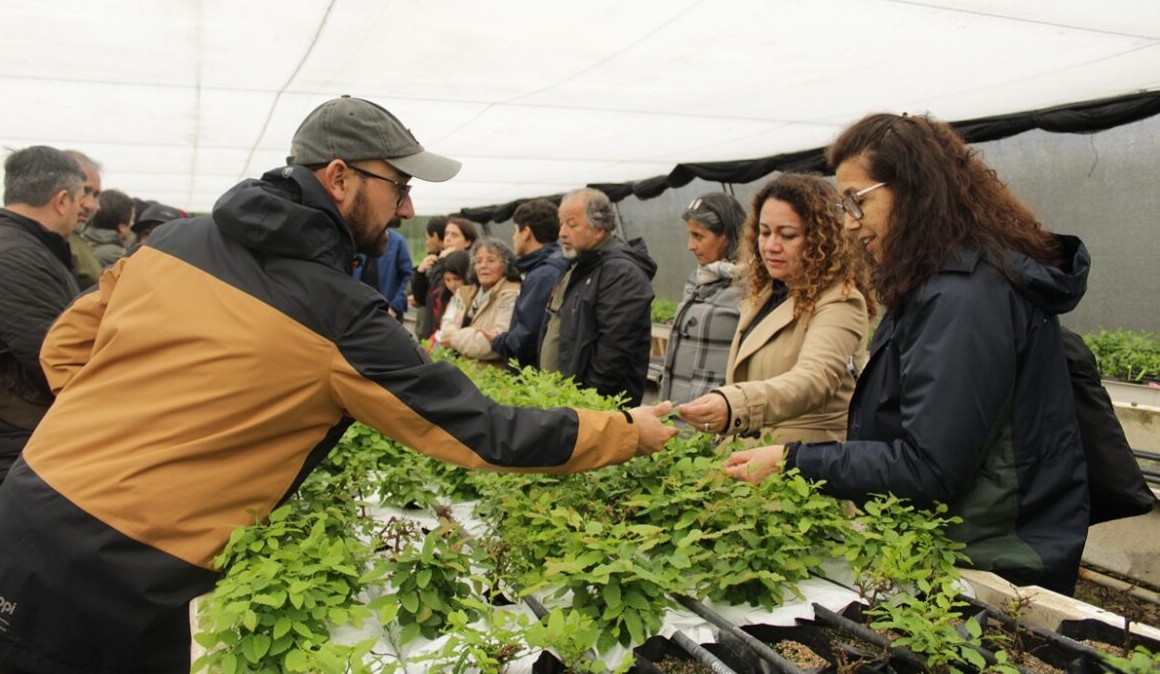
One of the most notable topics of the seminar was Conaf's Biological Control Program in Forest Plantations, developed from its Entomology Laboratory in Chillán, to support small and medium-sized forest producers. This approach involves using living organisms, such as parasitoids, to naturally control pests with the aim of keeping infestation below the economic damage threshold.
Among the examples presented were the control of the wood wasp (Sirex noctilio), which damages pines; the pine shoot moth (Rhyacionia buoliana); and the eucalyptus defoliating weevil (Gonipterus platensis), pests that directly affect plantation productivity.
Native forest protection
Students also learned about the problems affecting native forests, particularly Nothofagus forests, such as oaks, lengas, and coigües. Conaf presented three ongoing research projects conducted in collaboration with universities and institutes:
With Inia, research is being conducted on the management and mitigation of damage caused by Proholopterus chilensis in Nothofagus, based on chemical ecology.
With Universidad Mayor, the relationship between the Gnathotrupes complex (boring insects) and the ambrosia fungi they spread, and their impact on trees of the genus Nothofagus, is being studied.
With Universidad de Concepción, the role of soil-borne pathogenic fungi in mortality hotspots of these forests is being investigated.
As a special case, "Araucaria Foliar Damage" and Conaf's work in forest monitoring, investigation of causal agents, and mitigation strategies were presented.
Field visit to Lago Peñuelas National Reserve
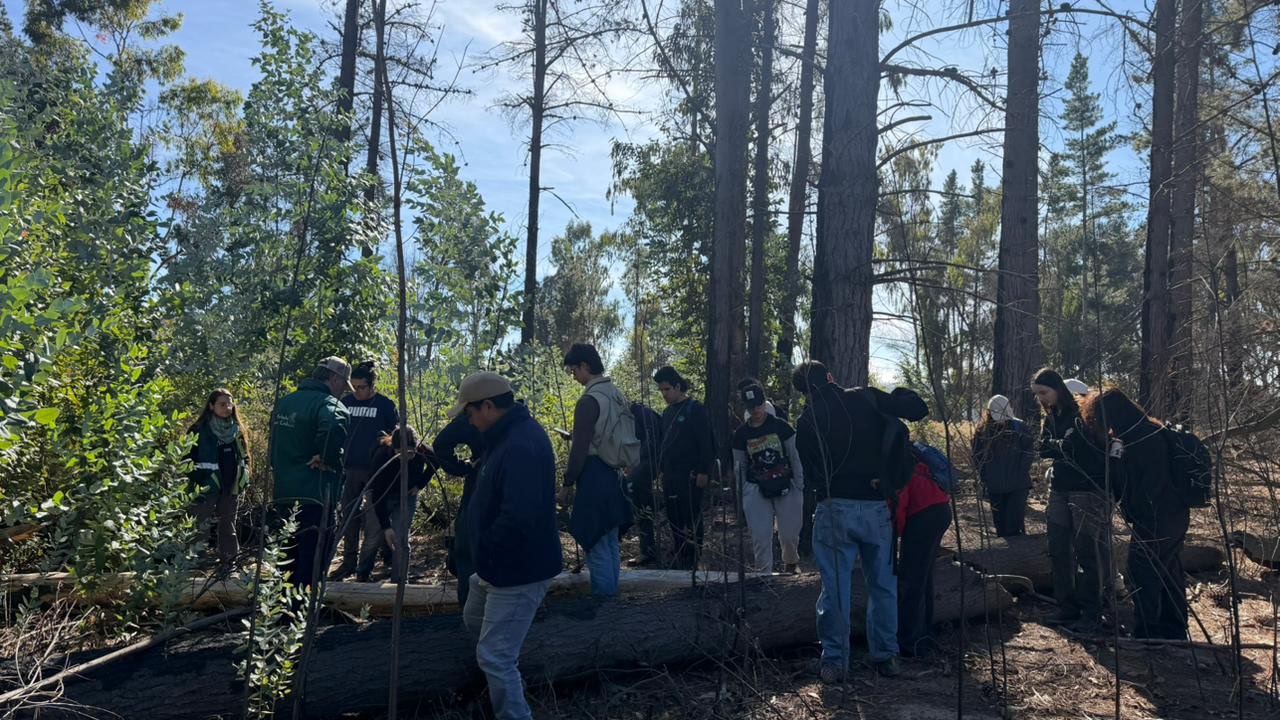
To complement what was learned in the classroom, students made a visit to Lago Peñuelas National Reserve, where they could directly observe what pests look like, what damage they cause, and how control strategies are applied in the field.
The activity was guided by professionals from Conaf's Forest Management Department: Catalina Suau, head of the Forest Health Section; Celso Carnieletto, head of the Watershed Section; Valentina Cortés, a department professional; and Gerardo Jara, a professional from Lago Peñuelas National Reserve, who guided the group through various pest presence points during the tour.




Comments (0)
No comments yet. Be the first to comment!
Leave a comment