

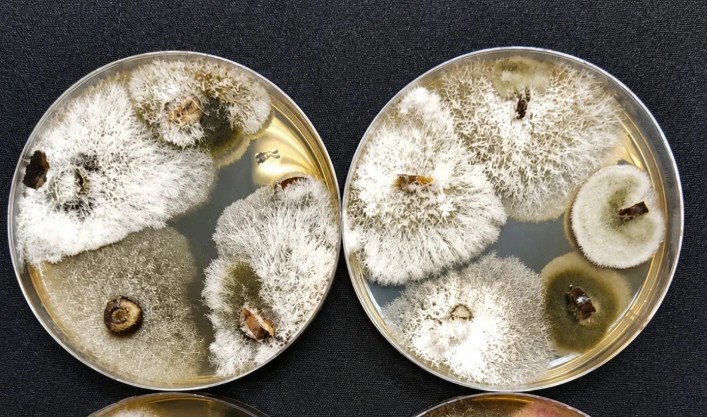
Winter is a decisive stage for reducing the risk of wood fungi in walnut trees, one of the main health threats for this crop. As reported by PlanetNuts, the tasks carried out during the winter dormancy can make a difference in the condition of the trees during spring and in the quality of the harvest.
Dr. Ernesto Moya Elizondo, plant pathologist and academic at the University of Concepción, explains that pruning and orchard sanitation allow reducing infection sources before the start of the new productive cycle. When these tasks are carried out in a timely manner, it is possible to keep trees healthier and decrease the incidence of diseases in the long term.
The importance of protecting pruning cuts
One of the specialist's main recommendations is to protect all pruning cuts immediately after performing the task, using fungicides or biological products. In orchards with high infection pressure, he also advises repeating applications or combining different management tools.
As detailed by the specialist, he also recommends evaluating the infection load present in the buds using the BotMon system, a tool developed to detect pathogens belonging to the Botryosphaeriaceae and Diaporthaceae families, associated with wood fungi. This monitoring is a service provided by the Plant Pathology Laboratory of the University of Concepción.
Mistakes that increase the risk of infection
The specialist also warned that there are practices that favor the development of these diseases if not corrected in time.
"Among the most common mistakes are not protecting pruning cuts and not reducing inoculum sources before winter. Removing diseased wood and dead branches reduces spore availability. These measures help reduce damage associated with frost, insects, and spring rains that favor fruit blight," states Dr. Ernesto Moya Elizondo.
Added to this is another key aspect: not leaving infected pruning debris inside the orchard. Diseased wood can continue releasing spores for long periods and become a permanent source of reinfection. Therefore, maintaining proper orchard hygiene and carrying out cultural tasks in a timely manner helps reduce disease pressure over the seasons.
Among the most frequent pathogens in walnut trees are Lasiodiplodia, Diplodia, Diaporthe (Phomopsis), and Neofusicoccum. Additionally, factors such as wounds caused by scale insects, excessive vigor, the presence of native forests or host crops, and the existence of dead wood favor infection. During spring, it is recommended to monitor the appearance of wilted branches and cankers to promptly remove affected material.
The combination of monitoring, sanitary pruning, and wound protection remains the most effective strategy to reduce the impact of wood fungi and maintain the health of walnut orchards.
Source:Agricultural Report






Comments (0)
No comments yet. Be the first to comment!
Leave a comment