
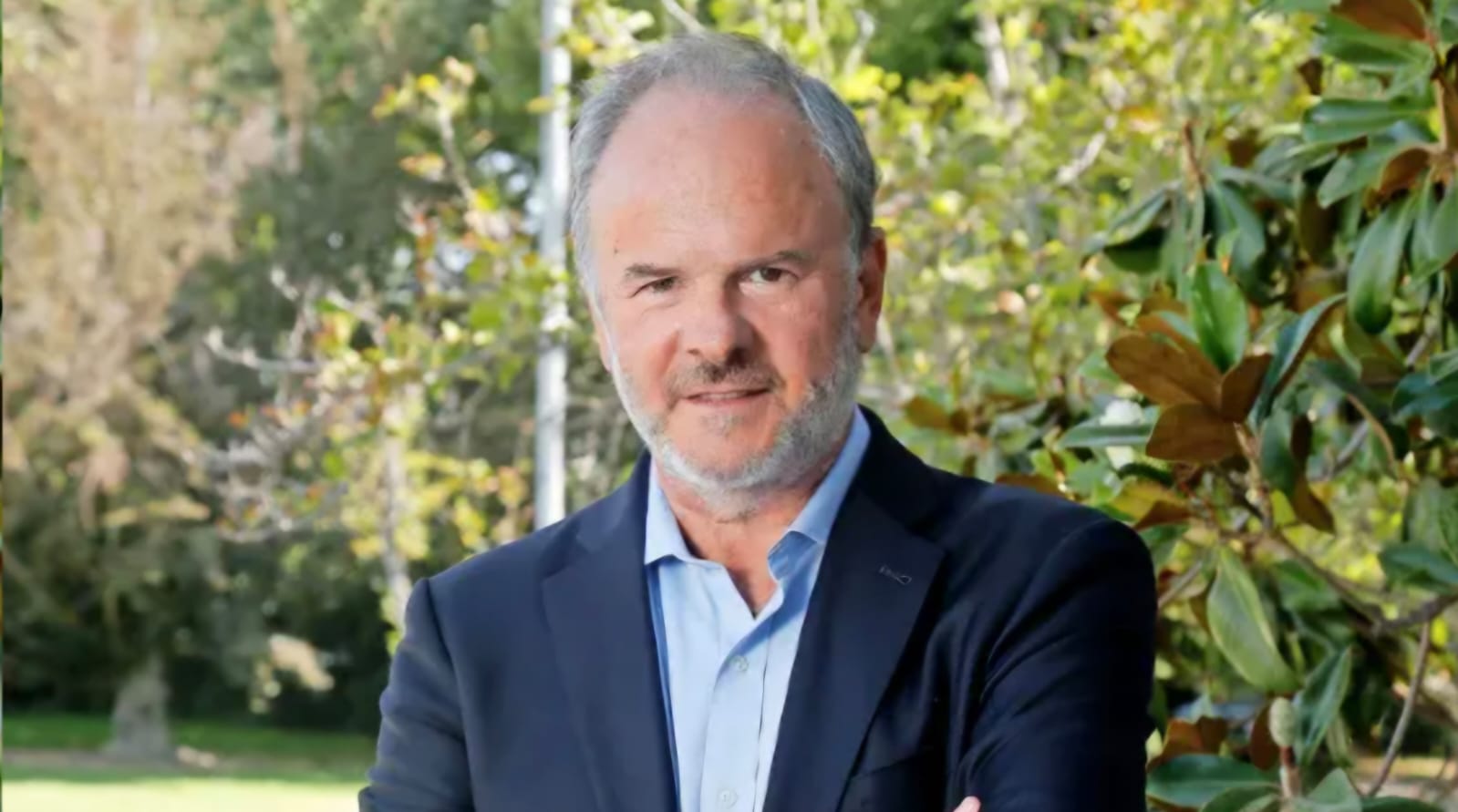
With the beginning of November and the progression of the wildfire season in Chile, Ramón Eduardo Figueroa Lizana, deputy manager of Prevention and Protection against Wildfires at ARAUCO and president of the CORMA Forest Protection Department, called for strengthening preventive actions and anticipating the weather conditions that increase the risk of major disasters.
The specialist warned about the consequences recorded during the wildfire season in the northern hemisphere, where fire has caused loss of life, damage to homes, critical infrastructure, productive activities, jobs, and environmental heritage.
In the Chilean case, Figueroa noted that 83% of the damage and impacts from vegetation fires is concentrated in the 1% of incidents that occur during heat waves. According to him, these conditions can be anticipated, which would make it possible to intensify prevention measures on the most dangerous days.
Prevent rather than combat
The ARAUCO and CORMA representative emphasized that the challenge should not focus solely on the number of fires that emergency teams can control, but also on those that can be avoided.
Along these lines, he maintained that 99.7% of fires in Chile are caused by people, so he called for reducing risky behaviors and strengthening prevention, especially during episodes of extreme temperatures.
Among the additional measures he proposed for critical days are possible partial power outages, movement restrictions, the reduction of activities that could generate sources of fire, and recommendations for people to stay in their homes when conditions warrant it.
Figueroa also warned that the combination of climate change and conditions associated with the El Niño phenomenon could contribute to a complex season, so he considered it urgent to anticipate decisions and coordinate actions among authorities, public services, and citizens.
Anticipated preventive management
In his publication, the specialist also referred to Exempt Decree No. 1,142 of the Ministry of the Interior, dated June 26, 2026, which—according to him—aims to strengthen preventive management by public services and authorities ahead of the fire season.
The call seeks to move toward a strategy that prioritizes anticipation, coordination, and the reduction of risk factors before large-scale emergencies occur.
"Let's not let our future burn," Figueroa concluded, reinforcing the importance of taking on prevention as a shared task to protect the country's people, communities, infrastructure, and natural heritage.



Comments (0)
No comments yet. Be the first to comment!
Leave a comment