

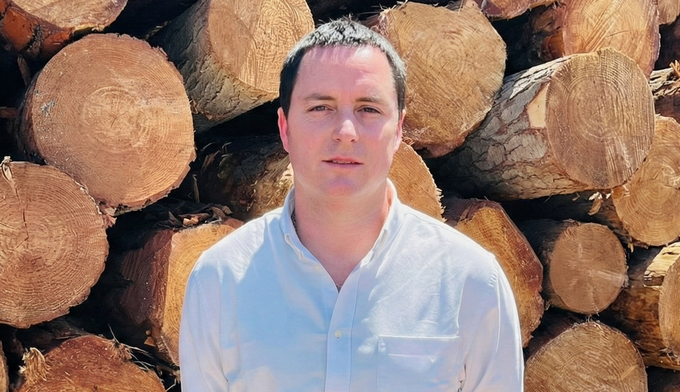
By Ignacio Vera Izquierdo, General Manager of Forestal Santa Blanca
Every March 21st, the International Day of Forests reminds us that these ecosystems are much more than green landscapes: they are essential allies for CO₂ capture, desertification prevention, and guardians of biodiversity. However, in Chile, their role goes beyond carbon capture.
In dryland areas, where water scarcity and irregular rainfall define rural life, forest plantations have proven to be an effective tool to prevent soil erosion. On the coast, they help halt the advance of dunes that threaten communities and agricultural lands, also acting as important protective barriers against tsunamis. It is true that some species have been questioned for their water consumption. But it is also true that, in fragile territories, their contribution in vegetation cover has meant stopping desertification processes and recovering soils that would otherwise remain unproductive.
The discussion should not focus on caricatures, but on how we design forest models that integrate production, conservation, and territorial resilience.
The forestry sector also offers a particularity that distinguishes it from other agricultural industries: harvest flexibility. While fruit forces facing price cycles and market risks every season, forests allow deciding when it is most convenient to cut and commercialize. This characteristic turns forest investment into a long-term "secure income," comparable to assets like utilities, which deliver moderate but stable returns.
It is no coincidence that international funds have bet on Chilean forests as part of their investment portfolios. Today, when the world demands sustainable and robust solutions, forests are consolidating as a strategic asset: they generate employment, contribute to the economy, capture carbon, and protect vulnerable territories.
The pending task is to move towards more diverse models that integrate native forests and plantations, and strengthen the social legitimacy of the activity.
Investing in forests is investing in the future. And in a country facing prolonged droughts and growing environmental challenges, recognizing their contribution is more urgent than ever.




Comments (0)
No comments yet. Be the first to comment!
Leave a comment