

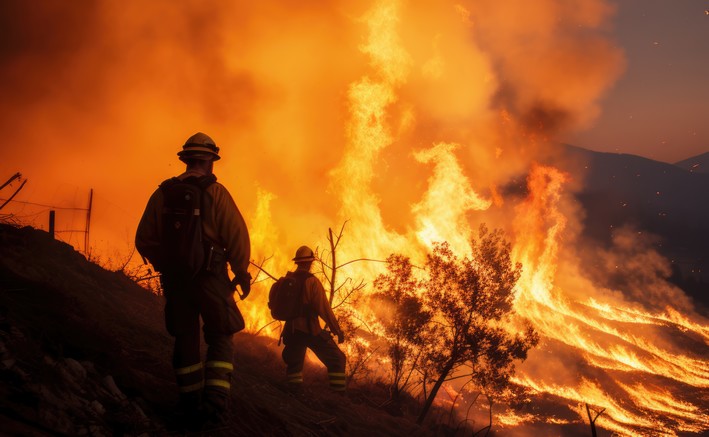
The forest fires that affected Chile during the summer once again highlighted the magnitude of the challenge the country faces in terms of land management. According to the National Forestry Corporation (CONAF), more than 2,000 fires were recorded across the country between January and February.
These affected over 64,000 hectares, with the Biobío and Ñuble regions being the hardest hit, leading to the declaration of a State of Catastrophe in both territories.
According to the Ministry of Agriculture and the National Service for Disaster Prevention and Response (Senapred), in both regions these fires left at least 21 people dead, more than 300 injured, and over 20,000 affected, in addition to extensive areas of forests, productive soils, and degraded ecosystems.
Although the most critical phase of the emergency has passed, the challenge is far from over. Media attention often wanes once the flames are controlled, but it is precisely at this moment that a decisive stage begins: the recovery of affected territories and the building of conditions that reduce the risk of such tragedies recurring.
Looking beyond the emergency means thinking about how to restore damaged landscapes while strengthening their resilience to future fires and ensuring communities are better prepared.
In this context, landscape restoration emerges as a key tool, offering a comprehensive view of the territory that integrates ecosystems, productive activities, and communities. It is not just about reforesting, but about recovering ecological functions, improving soil health, and diversifying vegetation through more heterogeneous landscapes.
These, in turn, can act as natural barriers against fire spread, while strengthening biodiversity, improving water availability, and supporting rural livelihoods, contributing to more resilient territories in the face of climate change and other extreme events.
Along these lines, concrete initiatives are already generating transformations in the country. Currently, 23 municipalities across six regions are advancing in the recovery of their ecosystems through the GEF Landscape Restoration Project, implemented by FAO Chile, executed by the Ministry of the Environment and the National Forestry Corporation (CONAF), and funded by the Global Environment Facility (GEF).
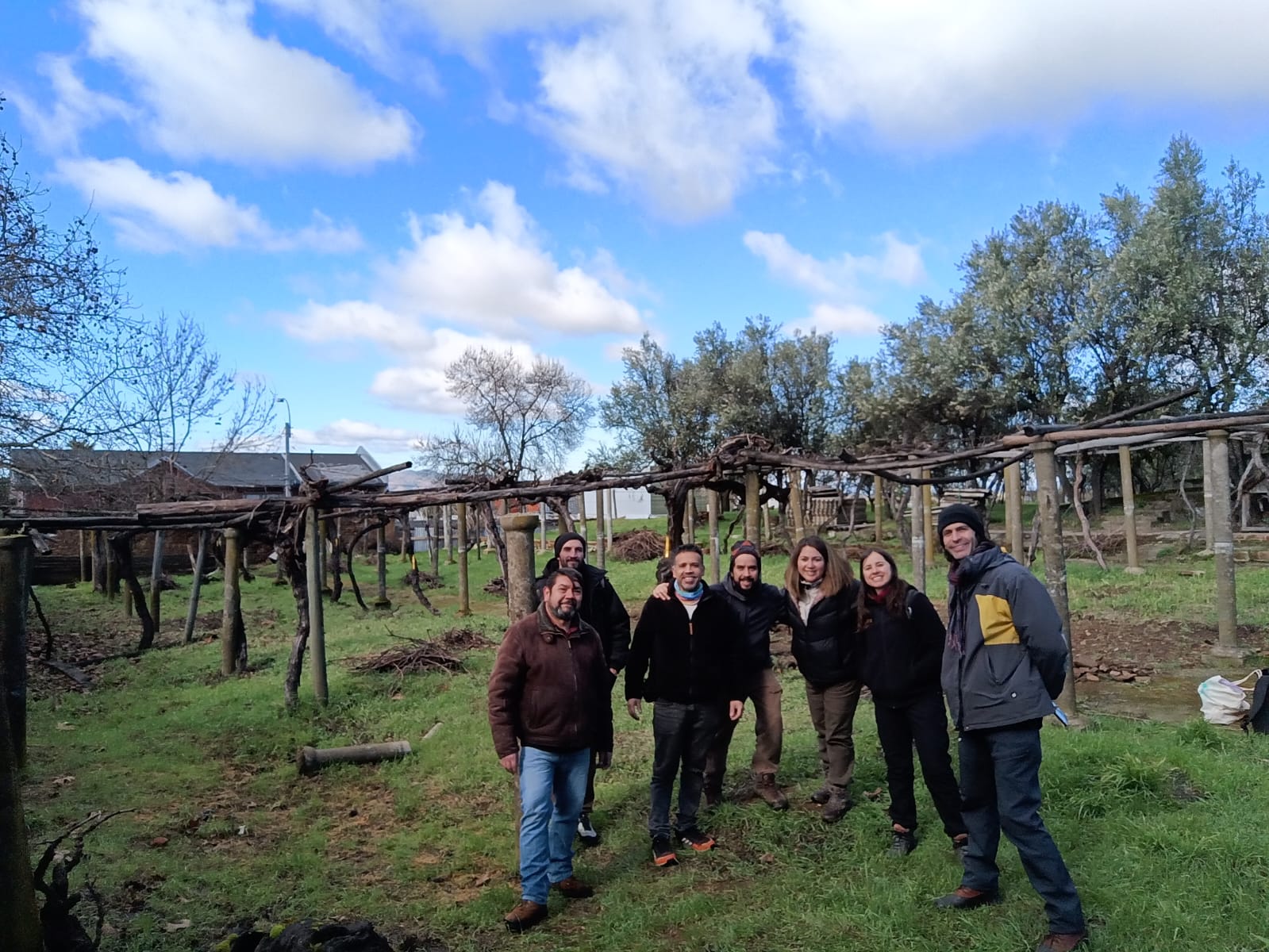
Its implementation has enabled the consolidation of active territorial governance through the formation of 11 Local Restoration Committees and six Regional Committees, distributed across seven pilot landscapes, strengthening coordination among institutions, communities, and productive actors for the planning and implementation of restoration strategies.
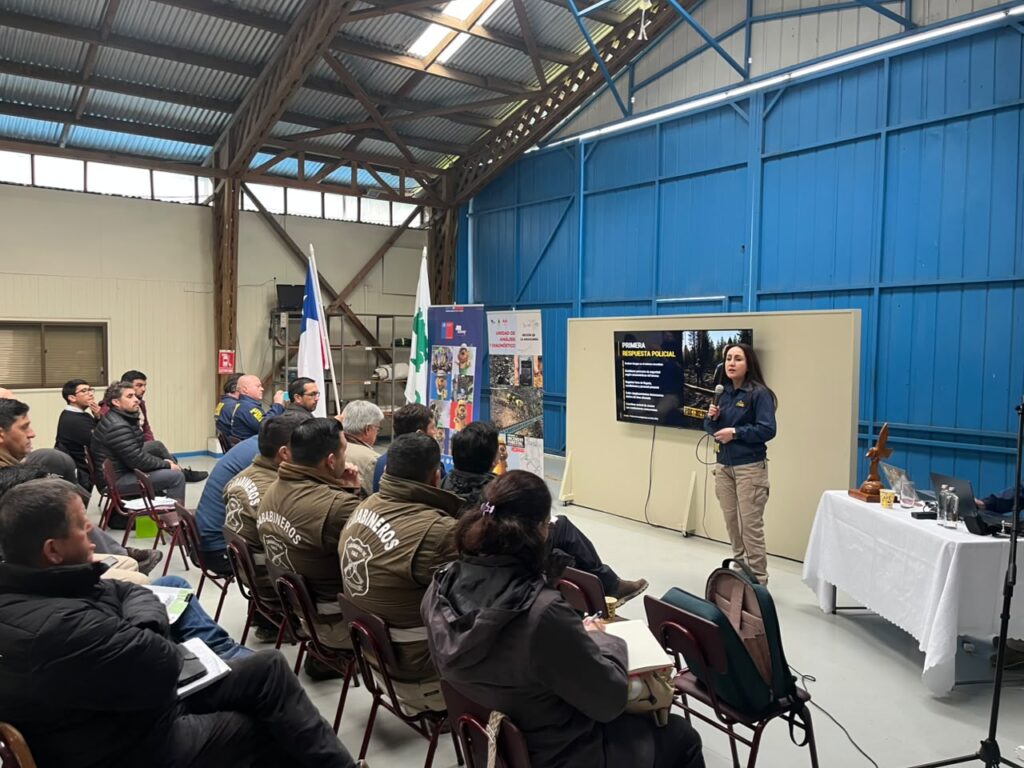
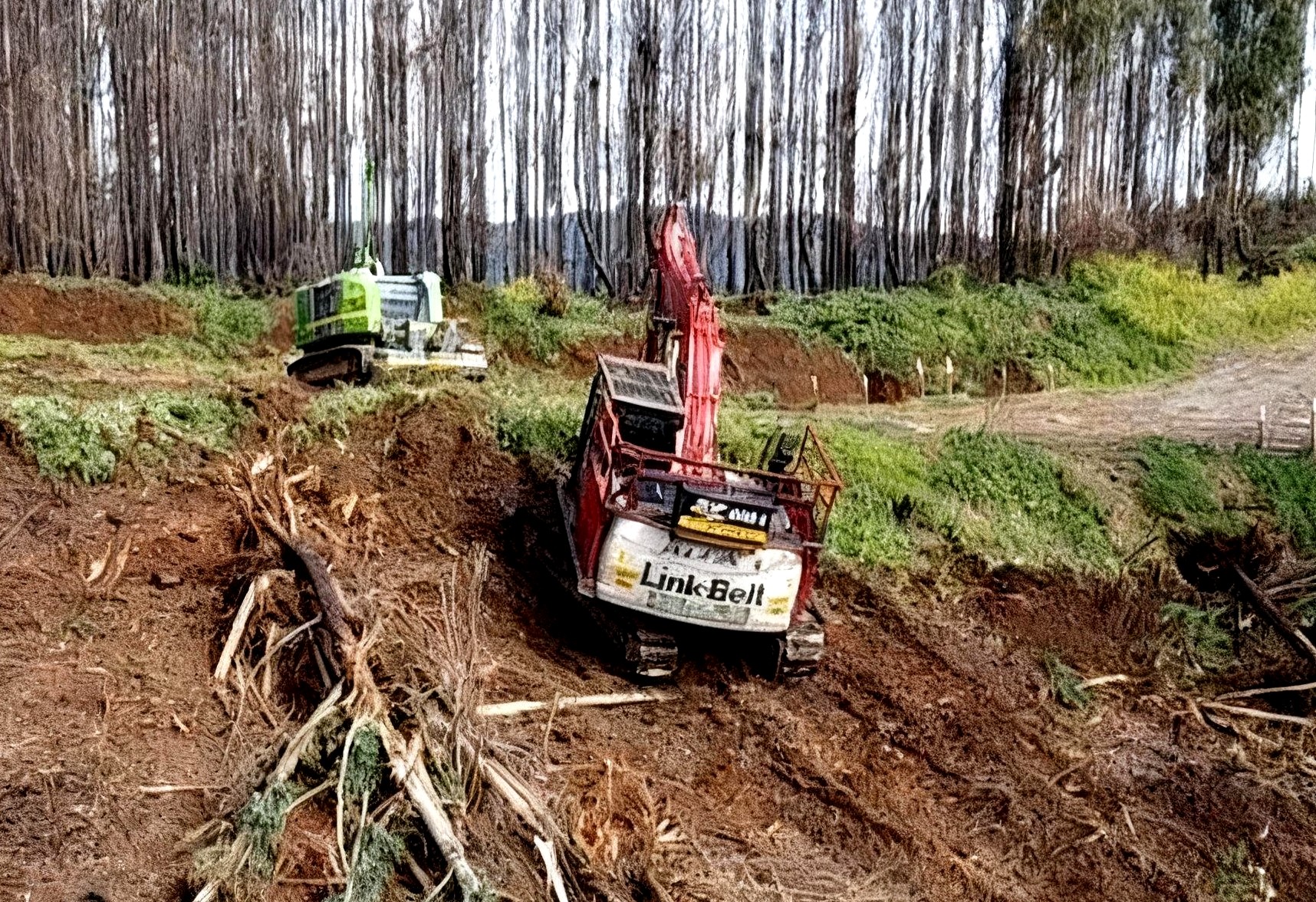
Added to this is the building of concrete capacities in the territories, with over 2,000 people trained in restoration, monitoring, and sustainable practices, as well as the execution of more than 80 high-impact works, including water and soil conservation, reforestation with native species, control of exotic species, and firebreaks, aimed at reversing ecosystem degradation, restoring biodiversity, and ensuring more prepared communities and more resilient territories.
Alongside this, the project has identified 96,401 hectares under restoration through the National Registry of Restoration Initiatives (an area even larger than the city of Santiago), a key tool to support the deployment of the National Landscape Restoration Plan. More than a pilot experience, these advances position the project as a concrete example of how restoration can translate into territorial resilience, fire prevention, and sustainable development.
Therefore, the challenge left by forest fires is not only to rebuild what was lost, but to decisively address soil degradation and move toward healthier and better-managed landscapes. In Chile, where soil is not a renewable resource on a human scale, its deterioration compromises community well-being, climate resilience, and economic development.
For this reason, it is urgent to strengthen public policies, technical capacities, and financing mechanisms that enable effective and sustained restoration. Integrating landscape restoration into recovery and prevention strategies is not just an opportunity, but a strategic action to reduce future risks and ensure more sustainable development for people and ecosystems.
Source:El Desconcierto




Comments (0)
No comments yet. Be the first to comment!
Leave a comment