

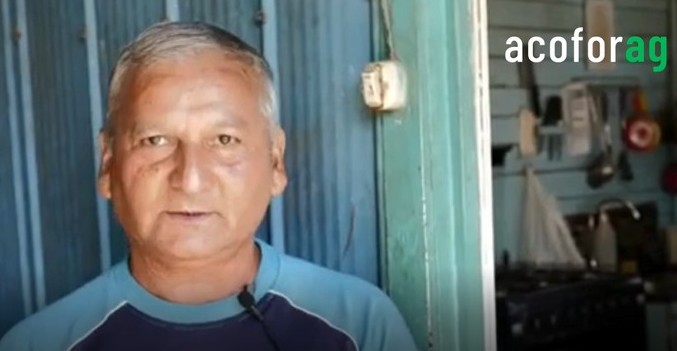
At Acoforag, we believe that behind every load of timber, every forestry route, and every task, there are people whose stories deserve to be told. One of them is Nolberto Pardo, a forestry truck driver from southern Chile, who has dedicated much of his life to timber transport and work connected to the forest.
With simplicity and commitment, Nolberto represents hundreds of workers who daily travel kilometers of rural roads to keep one of the country’s main productive activities moving. His day begins before dawn, when the cold still covers the forest estates and engines start to roar amid the silence of the countryside.
For years, his job has involved transporting pine and eucalyptus timber from various forestry sectors to collection centers, sawmills, and industrial plants. A job that demands experience, concentration, and respect for routes that are often challenging, especially during winter or in hard-to-reach areas.
However, for Nolberto, forestry transport is not just about moving cargo. Behind every trip lies a human chain made up of forestry workers, operators, communities, and families who depend directly or indirectly on this activity. “Every load I carry represents the effort of many people,” he comments. “There’s work, sacrifice, and also responsibility here.”
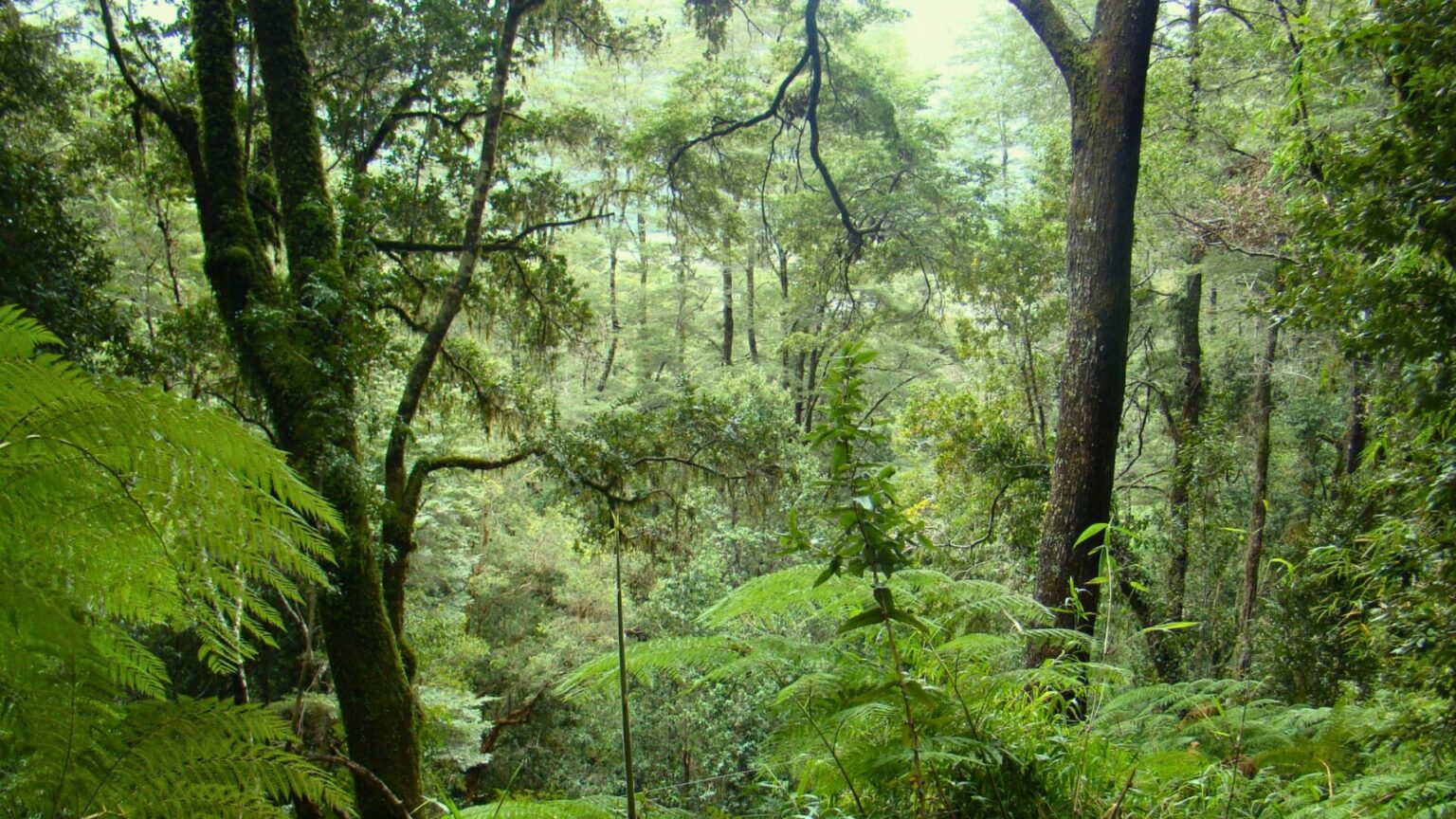
His relationship with the forest began decades ago and, over time, turned into something much deeper than a source of employment. For him, the forest is part of the territory’s identity and of those who live in the country’s forestry areas. “The forest is part of you,” he states with conviction. “It gives us work and opportunities, but we also have to care for and respect it.”
This perspective takes on special relevance in times when sustainability and responsible management of natural resources have become priority issues. Nolberto understands that forestry development must go hand in hand with awareness and care for the environment. From his on-the-ground experience, he recognizes the importance of valuing the forest not only for its economic contribution but also for the environmental and social role it plays in numerous communities in southern Chile.
Over the years, he has seen how the sector has evolved, incorporating greater safety requirements, new technologies, and a growing concern for sustainability. Even so, he asserts that the most important element remains the human one: the people who work day after day in silence to keep the forestry activity running.
Stories like Nolberto’s help us understand that the forestry world is not limited to production figures or exports. It is also made up of trades, careers, and life experiences deeply connected to the territory.
At Acoforag, we will continue to give visibility to those who are part of this productive and human chain, because we believe that the future of the forestry sector is also built by recognizing the people who, with effort and dedication, keep the bond between the forest and communities alive.


Comments (0)
No comments yet. Be the first to comment!
Leave a comment