

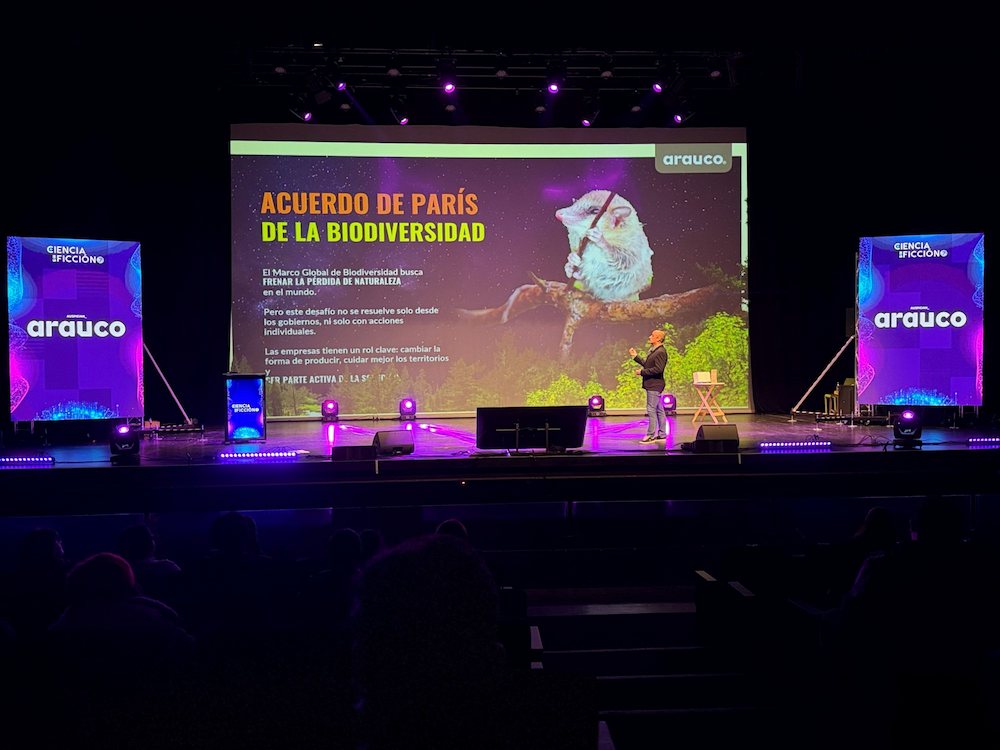
Can a satellite the size of a shoebox help better care for life on Earth? That was one of the questions raised around science, creativity, and critical thinking.
The conversation began with Lemu Nge, a Chilean nanosatellite whose name means "Eye of the Forest" in Mapudungun and which was launched from the Vandenberg Space Force Base in the United States. The device, developed by the startup Lemu with support from ARAUCO, aims to close a key gap: the lack of precise and accessible data to study biodiversity on a large scale.
Equipped with a high-resolution hyperspectral camera, Lemu Nge records 32 spectral bands and allows observation of information invisible to the human eye. Its technology helps analyze land cover, vegetation, and biodiversity, in a context where studying nature remains complex, costly, and often insufficient for the scale of environmental challenges.
"Biodiversity is not cared for with good intentions alone. We also need data, science, and tools that allow us to better understand what is happening in nature," said Guillermo Olmedo, Deputy Manager of Environment and Social Value at ARAUCO.

Lemu-Atlas Platform
ARAUCO also addressed the scope of Lemu-Atlas, a platform that combines satellite imagery, artificial intelligence, and science to observe and analyze ecosystems. Through this tool, the company made publicly available environmental and biodiversity information from over 91,500 hectares of conservation areas in Chile, Argentina, and Brazil.
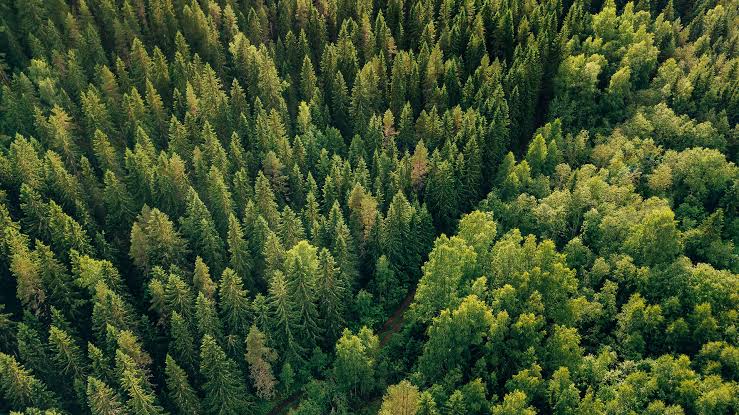
The platform includes 20 conservation areas, among them alerce forests, Maule and Valdivian forests, as well as areas such as Caramávida, El Oasis, Huemules de Ñuble, and San Jorge Reserve. The information is organized into 24 indicators grouped into seven categories: water, biodiversity, carbon, climate, vegetation status, risks, and monitoring.
"We wanted to show that technology can also be placed at the service of more open and collaborative land management. Opening up this information not only speaks to transparency; it also allows for generating shared value alongside communities, researchers, and organizations," added Olmedo.
Bringing Science Closer
ARAUCO's participation in Ciencia sin Ficción aimed to bring this development closer to a key audience: students who are beginning to wonder how science can address the great challenges of the future. "We were interested in students seeing that science is not distant or reserved for laboratories. It is also in the forests, in the data, in the questions we ask about the future, and in the way we decide to care for the planet," stated Olmedo.
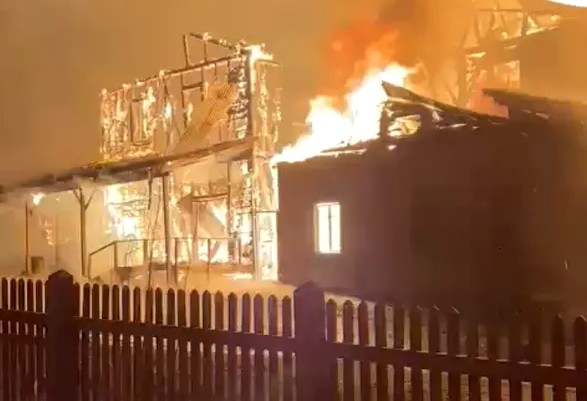
More than presenting a satellite as a technological curiosity, the company showed how data can support better decisions in the face of biodiversity loss, climate change, wildfires, and ecosystem conservation.

Comments (0)
No comments yet. Be the first to comment!
Leave a comment