

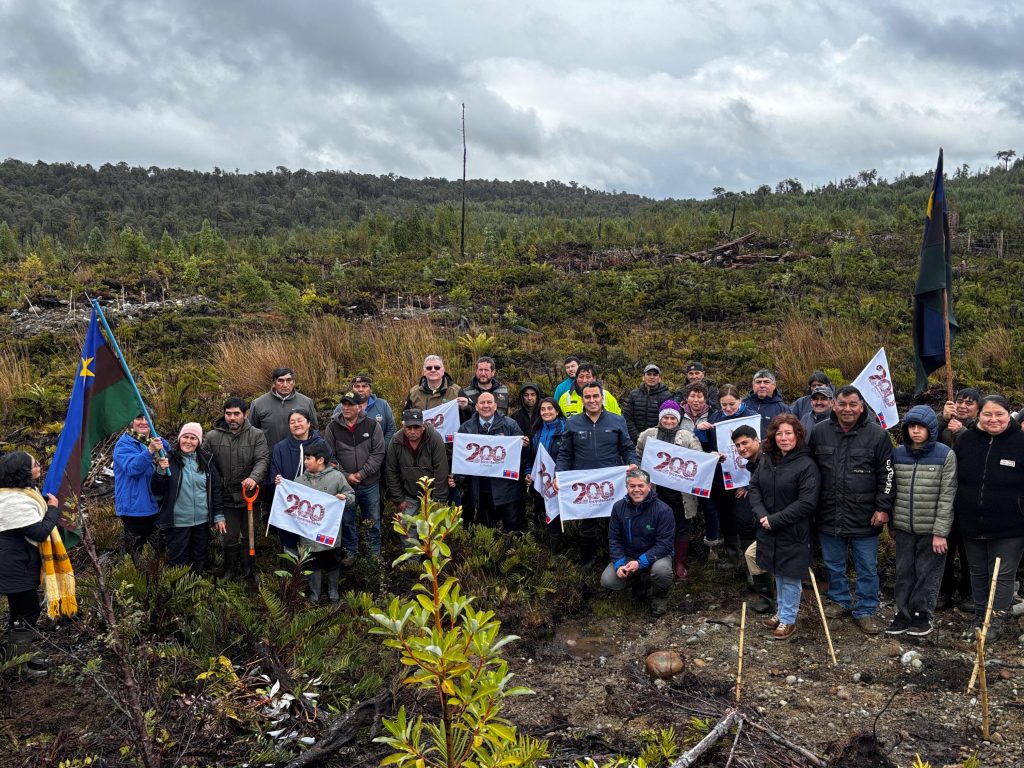
With the participation of regional authorities, Conaf representatives and members of the Coihuín de Compu Indigenous Community, in the commune of Castro, the closing of the first stage of a project aimed at restoring 75 hectares of degraded native forest in the territory was held.
The initiative began implementation in 2024, within the framework of the National Strategy on Climate Change and Vegetation Resources (Enccrv), led by Conaf, and of the +Bosques Project, implemented with technical support from the Food and Agriculture Organization of the United Nations (FAO) and financing from the Green Climate Fund.
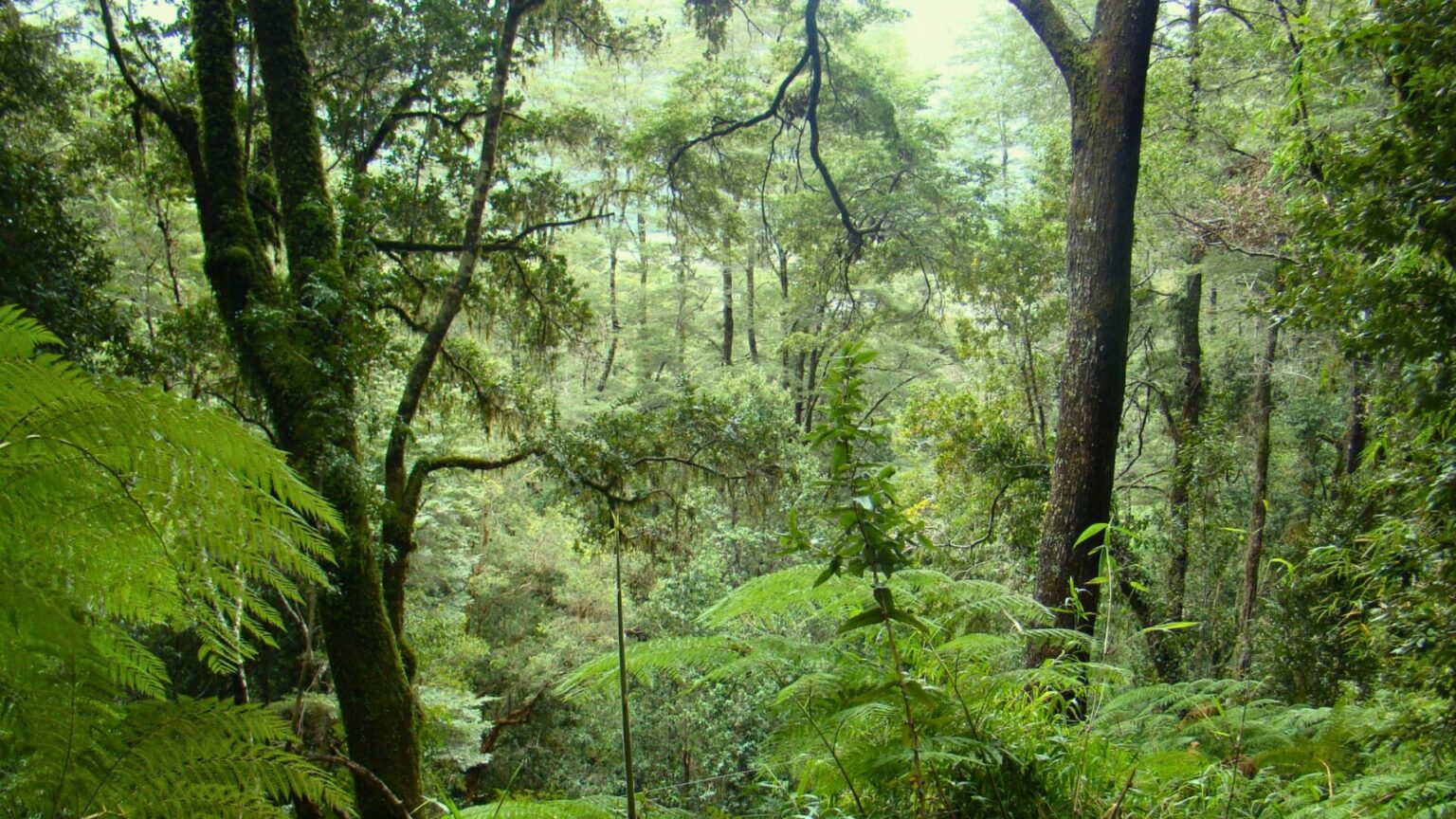
The purpose of the project was to recover ecosystems affected by degradation processes, including forest fires, through ecological restoration actions that contribute to biodiversity conservation and adaptation to climate change.
More than 16 thousand native trees
During this first stage, 75 hectares were intervened, where 16,660 specimens of native species were planted, including coihue, canelo, luma, meli, arrayán and tineo.
The plantings were carried out through restoration nuclei, defined according to the characteristics of each sector. In addition, work was carried out to improve soil conditions, especially in areas with thin soils and the presence of fierrillo, an impermeable layer characteristic of ñadi-type soils.
The work included land preparation to favor drainage and root development. The definition of the intervention areas also incorporated information obtained through drone photogrammetry.
In addition to these actions, 8,046 meters of fencing were installed, distributed across five sectors, with the aim of protecting the plantations from ruminant animals and facilitating subsequent maintenance work.
The regional director of Conaf Los Lagos, Fernando Gebhard, highlighted the importance of recovering areas of native forest that have been affected for years.
"It is a very important milestone because it highlights the importance of the recovery of native forest and biodiversity. We are delivering the first stage of an ambitious project: 75 hectares of large-scale forest recovery," he stated.
Community participation
One of the main components of the initiative was the participation of the Coihuín de Compu Community in the different stages of the project. The process incorporated Free, Prior and Informed Consent (FPIC) mechanisms, participatory mapping, meetings with community leaders and members, and the presentation of the designs in general assemblies.
This work made it possible to incorporate the territory's knowledge and needs into the planning of restoration actions.
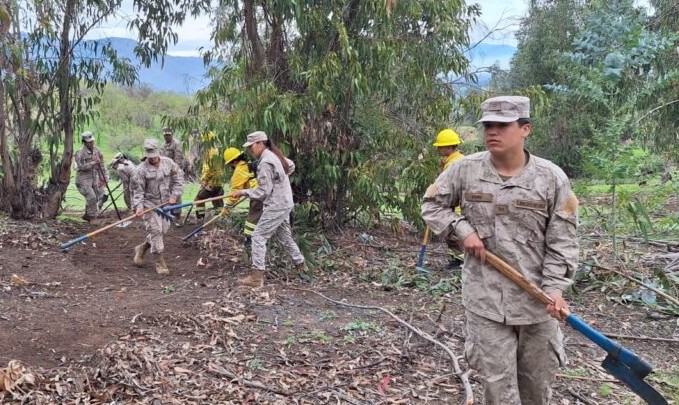
In addition, 10 members of the community participated directly in the work, during the 196 days of project execution. Local participation made it possible to generate experience and capacities that can be used in future restoration and forest management initiatives.
The lonko of the Coihuín de Compu Community, Pablo Inaicheo Guenteo, especially valued the incorporation of workers from the territory itself.
"The contractor company was asked that the labor be done with people from the community and the planting, with the women. That is important, because there is also follow-up on our part. They are left with the knowledge and capacities for other projects," he stated.
A territorial work model
During the closing activity, the seremi of Agriculture of Los Lagos, Francisco Cárcamo, highlighted the collaboration between the community and the participating institutions.
"It is an honor to be in an ancestral territory, a territory that has history and that thanks to the contribution of Conaf, through the +Bosques Project and with the support of FAO, is a reality. This work together with the community is a historic milestone and a model for the country," he said.
Meanwhile, the presidential delegate of Chiloé, Fernando Bórquez, highlighted the coordination between public services and the community, as well as the generation of local capacities for future initiatives.
The project is part of the territorial approach of the Enccrv, which seeks to develop restoration and sustainable management actions considering the environmental, social and cultural characteristics of each territory.
A second stage under evaluation
The closing of this first phase opens the possibility of expanding restoration actions in the area. A second stage is currently under evaluation that contemplates intervening approximately 780 hectares and establishing close to 100 thousand native plants.
The eventual continuity of the project would make it possible to expand the area of native forest recovery and deepen joint work between the community and the institutions, incorporating the lessons learned during this first experience.
In this way, the initiative not only aims to recover degraded areas, but also to strengthen local capacities and the participation of communities in ecosystem conservation and in adaptation and mitigation actions against climate change.

Comments (0)
No comments yet. Be the first to comment!
Leave a comment