

Marked by rainfall, July has positioned itself as one of the wettest months in recent times. According to authorities, this type of precipitation has not been seen since 1997, resulting in 101.5 mm of fallen water in Santiago alone, a figure only surpassed in 1987.
According to experts, this type of event is due to the arrival of the "El Niño" phenomenon, which is characterized by warmer and rainier winters, while in the summer stage temperatures can reach record figures, something that would increase the possibility of forest fires.
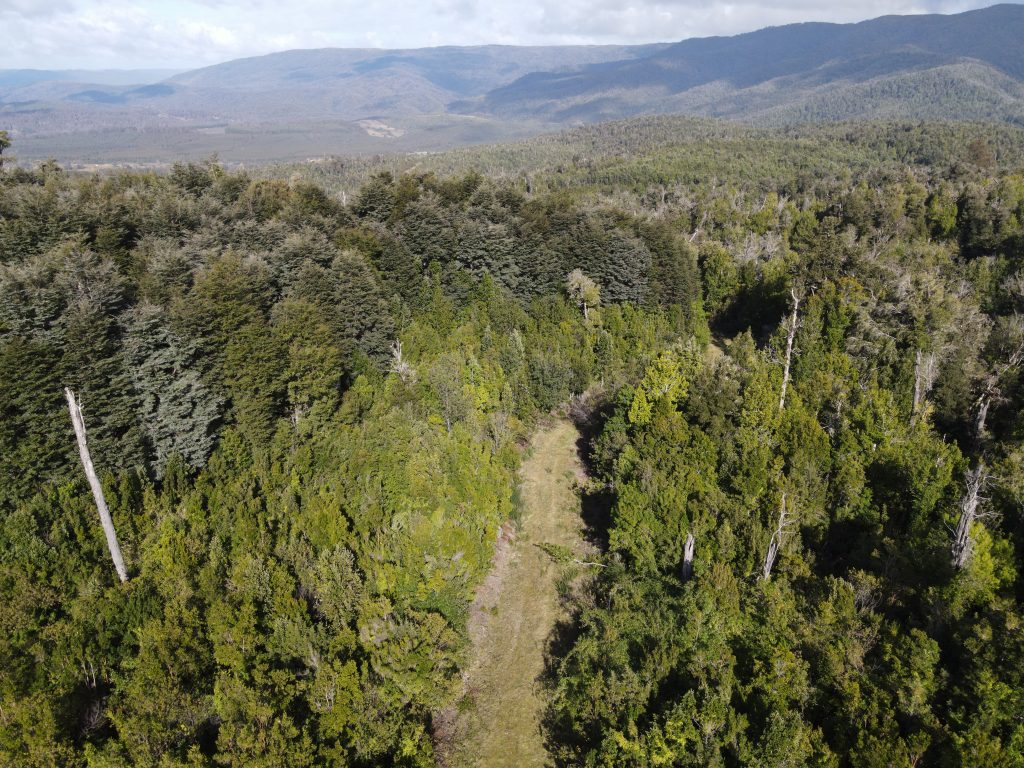
Faced with this reality, the conservation of native forests is positioned as a fundamental strategy to move towards more resilient territories prepared for climate change. These ecosystems fulfill essential functions for environmental balance, protecting soils, regulating the water cycle, and contributing to the adaptation of landscapes to increasingly extreme conditions.
During periods of higher rainfall, native forests act as natural water regulators. The vegetation cover reduces the direct impact of rain on the soil, while their roots help maintain terrain stability, reducing erosion processes. At the same time, healthy soils have a greater capacity to store water, which allows them to sustain soil moisture.
On the other hand, this capacity is especially important during dry months. In scenarios of high temperatures and drought, forests help maintain more balanced environmental conditions, favor biodiversity conservation, and strengthen the ability of ecosystems to face extreme events such as forest fires.
"The conservation of native forests is not just an environmental action; it is a climate adaptation strategy. Each protected hectare represents an opportunity to conserve water, capture carbon, protect biodiversity, and maintain the natural capacity of territories to recover from extreme events," comments the operations manager of Genau Green, Camilo González.
Thus, the intense winter rainfall driven by El Niño opens the way to alertness for a summer scenario projected to be markedly dry and with a high risk of fires. Faced with this outlook, specialists reiterate the call for responsible use of forested areas and to prioritize the conservation of these ecosystems as a key tool for territorial protection in the context of climate change.
Source:G5 Noticias






Comments (0)
No comments yet. Be the first to comment!
Leave a comment