

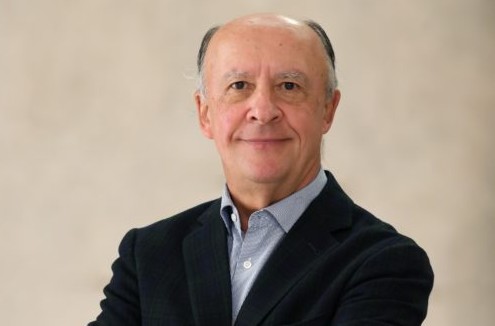
By Cristián Larroulet V. Professor and researcher at the Center for Research on Business and Society (CIES), Universidad del Desarrollo
The inhabitants of southern Chile have paid for years a tax that no one approved in Congress, that does not appear in any tax return, and that, unlike real taxes, does not finance public goods. It is the tax of violence. Families, workers, and businesses pay it through destroyed or stolen property, investments that are not made, jobs that are not created, and development opportunities that are lost.
The evidence allows us to measure its scale. In a study we conducted with Jean Paul Sepúlveda on the economic impact of violence in La Araucanía, we estimated what would have happened in the region without the increase in violence that began in the late 1990s. The result is concerning: between 1998 and 2020, GDP per capita was, on average, around 22% lower than it could have reached. That is lost development.
There are other costs. Organized timber theft came to represent nearly US$100 million annually in the Southern Macrozone. Attacks on forestry activity destroyed or damaged around 1,770 pieces of equipment and machinery between 2014 and 2024, with losses exceeding US$200 million. The salmon industry is not exempt either: SalmonChile estimates that, including thefts that are not always detected, losses could approach US$70 million annually.
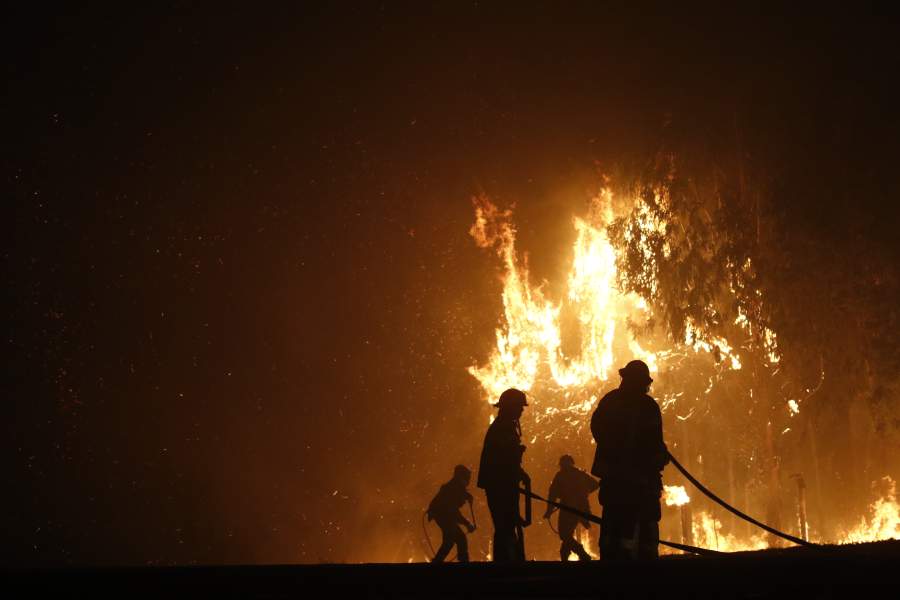
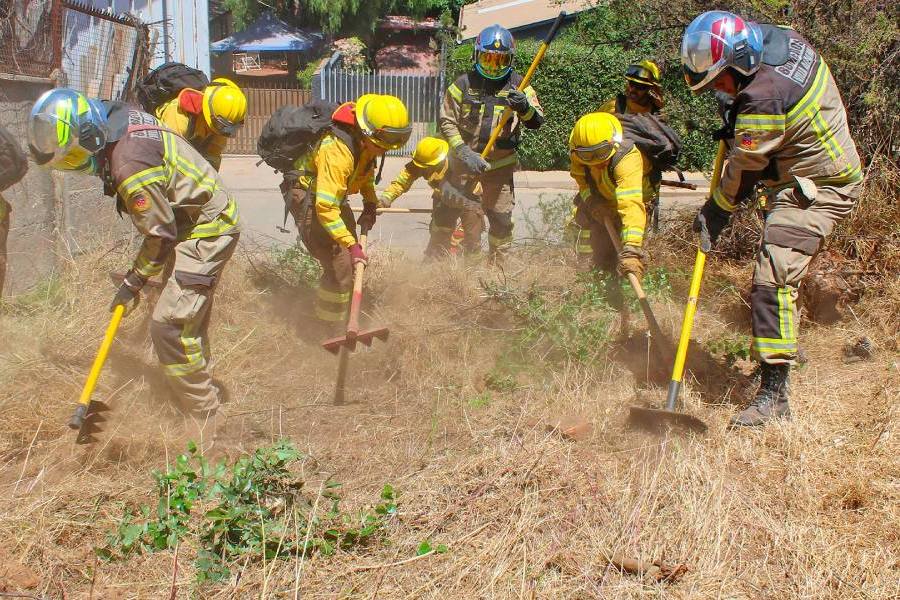
Fires add another dimension. Just the major fires of 2023 caused economic, social, and environmental losses in Biobío, La Araucanía, and Los Ríos exceeding US$1,000 million. Not all were intentionally set, of course, but in Biobío and La Araucanía a very high proportion of investigated fires have an intentional origin.
All of this inevitably ends up affecting investment. There are many factors that explain its weakness, but it is difficult to argue that decades of attacks, fires, thefts, and destruction of capital have not had an influence. And without investment, there is less growth and employment. Today, Biobío has an unemployment rate of 10.4%.
The paradox is that few areas of Chile have such significant development opportunities. The south has a world-class forestry industry; enormous fishing and salmon farming possibilities—the latter with exports exceeding US$6,500 million and potential to grow substantially—; green hydrogen; agriculture, tourism, and now the possibility of developing rare earths, strategic minerals for new technologies and the energy transition.
That is why the security agenda recently presented by the Government is especially relevant. Among its initiatives, there is one I consider fundamental: explicitly establishing in our Constitution that it is the State's duty to ensure the safety of the population. Security is not merely a police matter. It is a necessary condition for exercising our freedoms, investing, working, and progressing.
But laws are not enough. The south possesses a valuable tradition of social capital. Businesspeople, workers, universities, municipalities, social organizations, and communities must contribute to isolating violence and strengthening a culture of coexistence and cooperation.
The south has the resources, human capital, and opportunities to grow. To take advantage of them, we must put an end to this tax that impoverishes without collecting: the tax of violence.
Column inDiario El Sur, subscription edition





Comments (0)
No comments yet. Be the first to comment!
Leave a comment